Three-phase asynchronous motors, commonly referred to as induction motors, are among the most essential power devices used in industrial and commercial systems today. Their widespread adoption is driven by a powerful combination of durability, efficiency, affordability, and operational simplicity.
From pumps and fans to conveyor systems and compressors, these motors are relied upon in countless applications where stable performance and long-term reliability are critical. Their ability to operate continuously in demanding environments has made them a cornerstone of modern industrial automation.
1. Straightforward Yet Reliable Working Principle
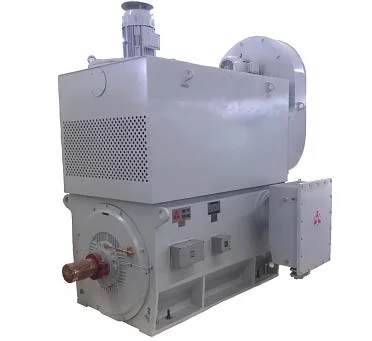
One of the most notable characteristics of a three-phase asynchronous motor is its simple operating structure. Instead of using brushes or permanent magnets, it works through electromagnetic induction.
When three-phase alternating current flows through the stator windings, a rotating magnetic field is generated. This magnetic field induces current inside the rotor, creating torque and enabling rotation. Since the rotor has no direct electrical connection, the overall mechanical design remains simple and dependable.
Because there are fewer moving or contact-based components, the risk of mechanical failure is greatly reduced, allowing the motor to maintain reliable performance over long operating periods.
2. Excellent Durability in Industrial Environments
Factories and industrial facilities often expose equipment to harsh conditions such as dust, vibration, humidity, and fluctuating temperatures. Three-phase asynchronous motors are designed to withstand these challenges thanks to their rugged construction.
Their durable design allows them to operate continuously with minimal interruption. In most cases, bearings are the primary components that require periodic maintenance or replacement.
This toughness makes them ideal for industries including manufacturing, mining, water processing, transportation, and heavy engineering, where equipment reliability directly affects productivity.
3. Minimal Maintenance Demands
Compared with many other motor technologies, asynchronous motors require relatively little maintenance. Since there are no brushes or commutators involved, users avoid frequent replacement of wear-sensitive electrical contact parts.
Typical maintenance procedures usually include:
-
Lubricating bearings
-
Inspecting insulation systems
-
Checking cooling performance
-
Conducting routine electrical tests
These straightforward maintenance requirements help reduce downtime and lower long-term operating expenses, making the motors highly suitable for continuous-duty industrial operations.
4. Strong Energy Efficiency Performance
Energy efficiency has become increasingly important in modern industry, and three-phase asynchronous motors perform exceptionally well in this area. High-efficiency motor classes such as IE2, IE3, and IE4 are specifically designed to reduce power losses and improve operational efficiency.
In facilities where motors run continuously throughout the year, even small efficiency gains can result in substantial reductions in electricity consumption and operational costs.
As a result, these motors are frequently selected by companies seeking both improved productivity and better energy management.
5. Low Total Cost of Ownership
Although purchase price matters, many industrial buyers focus more heavily on lifecycle value. Three-phase asynchronous motors offer an attractive balance between initial investment and long-term operational savings.
Their uncomplicated structure lowers manufacturing costs, while their long service life helps minimize maintenance and replacement expenses. This combination results in a highly competitive total cost of ownership compared with many alternative motor technologies.
6. Broad Application Flexibility
Another major advantage of asynchronous motors is their versatility across a wide range of industrial systems. Common applications include:
-
Pumps and air compressors
-
Conveyor and material handling systems
-
HVAC equipment
-
Manufacturing machinery
-
Agricultural equipment
-
Industrial automation systems
Their adaptability to different working conditions and load requirements makes them one of the most universally used motor solutions in industry.
7. Reliable Starting Torque and Load Capacity
Many industrial machines require motors capable of handling demanding startup conditions. Three-phase asynchronous motors are well-suited for these applications, especially when equipped with specialized rotor configurations such as squirrel-cage or slip-ring designs.
These motors can provide strong starting torque and maintain stable operation even when load conditions fluctuate. This capability is particularly valuable for crushers, mixers, conveyors, and other heavy-duty equipment that often start under load.
8. Integration with Modern Automation Systems
As industrial automation continues to advance, asynchronous motors remain highly compatible with modern control technologies. When combined with variable frequency drives (VFDs), they can achieve:
-
Accurate speed regulation
-
Enhanced energy savings
-
Smooth startup performance
-
Reduced mechanical stress
-
Improved process control
This adaptability allows them to remain highly relevant in smart factories and Industry 4.0 production environments.
9. Importance of Professional Engineering Support
Motor performance depends not only on the motor itself but also on proper system integration and engineering design. Selecting the right motor configuration for a specific application is essential for maximizing efficiency and reliability.
Companies such as Shanghai Juyue Energy Engineering Co., Ltd. contribute valuable expertise by offering integrated industrial and electromechanical solutions. Through engineering support, technical services, and equipment supply, they help customers optimize system performance and improve operational reliability.
Proper equipment selection and system-level planning can significantly reduce operational risks while improving long-term efficiency.
For additional technical information, visit:
Three-phase asynchronous Motor
10. Proven Long-Term Industrial Value
Perhaps the greatest strength of three-phase asynchronous motors is their long history of dependable industrial performance. For decades, they have powered essential systems across countless industries worldwide.
Their reputation for stability, safety, efficiency, and durability continues to make them the preferred choice for many industrial applications. Even with the emergence of newer motor technologies, asynchronous motors remain dominant because they consistently deliver reliable performance at a practical cost.
Conclusion
Three-phase asynchronous motors continue to be one of the most trusted and widely used motor technologies in modern industry. Their simple operating structure, durable construction, low maintenance needs, strong efficiency, and wide application range make them highly valuable across numerous sectors.
When paired with professional engineering support and proper system integration, these motors can provide outstanding long-term performance and operational reliability.
For businesses looking for dependable, cost-effective, and efficient power solutions, understanding the strengths of three-phase asynchronous motors is essential for making informed industrial equipment decisions.
www.juyueenergy.com
Shanghai Juyue Energy Engineering Co., Ltd.