When pharmaceutical manufacturers face batch contamination or food processors struggle with steam purity compliance, the root cause often traces back to a single material choice: the stainless steel grade in their steam generation equipment. In industries where product integrity is non-negotiable, 316L stainless steel clean steam generators have emerged as the technical standard—not as a premium option, but as a fundamental requirement for regulatory compliance and operational safety.
The Material Science Behind Clean Steam
Traditional steam generation systems present a persistent contamination risk in sensitive manufacturing environments. Standard boiler materials can introduce metallic ions, chemical residues, and corrosion byproducts into steam supplies, creating invisible threats to product quality. The distinction lies in metallurgical composition: 316L stainless steel contains molybdenum additions that dramatically enhance corrosion resistance, particularly against chlorides and acidic conditions common in pharmaceutical and food processing water systems.
This material specification directly addresses a critical industry pain point. When steam contacts product surfaces, processing equipment, or sterile instruments, any chemical carryover compromises the entire production batch. Pharmaceutical-grade steam requirements explicitly mandate chemical-free output, which conventional boiler materials cannot consistently deliver. The low-carbon variant (the "L" in 316L) further reduces carbide precipitation during welding, eliminating weak points where corrosion typically initiates.
Multi-Stage Purification Engineering
Material selection represents only the foundation. Achieving pharmaceutical-grade steam purity requires systematic engineering to eliminate non-condensable gases, prevent carryover, and maintain consistent output quality. Advanced clean steam generators employ multi-stage steam-water separation technology that removes entrained water droplets and dissolved solids through sequential separation chambers.
The process begins with primary separation using centrifugal force, followed by secondary filtration through baffles and mesh separators. This cascading approach ensures steam dryness exceeds 97%, with total dissolved solids measuring below 0.1 ppm—the threshold for pharmaceutical applications. For medical device sterilization in Central Sterile Supply Departments (CSSD), this purity level prevents instrument surface contamination that could compromise surgical safety.
Quantified Performance in Critical Applications
Industrial validation demonstrates the operational impact of proper steam purity systems. In textile dyeing operations, temperature consistency directly correlates with color uniformity. A manufacturing facility in Zhejiang province documented a 25% improvement in dyeing consistency after implementing precision steam control, simultaneously reducing customer returns by 80%. The underlying mechanism involves maintaining temperature stability within ±0.5°C, eliminating the thermal fluctuations that cause uneven dye fixation.
Healthcare applications present even stricter requirements. Shandong General Hospital's CSSD upgrade illustrates the 24/7 reliability demands of medical sterilization. Hospital-grade steam generators must deliver continuous operation without quality deviation, as sterilization cycle failures compromise patient safety and surgical scheduling. The implementation achieved 100% uptime for critical medical instrument processing, directly supporting clinical operations.
Energy Efficiency Through Intelligent Design
Beyond purity considerations, modern steam generation technology addresses the substantial operational costs of industrial thermal energy. Traditional boilers waste significant energy through incomplete combustion, standby losses, and inefficient heat transfer. Water and electricity separation design eliminates combustion inefficiencies entirely in electric systems, while threaded pipe technology maximizes heat exchange surface area in gas-fired units.
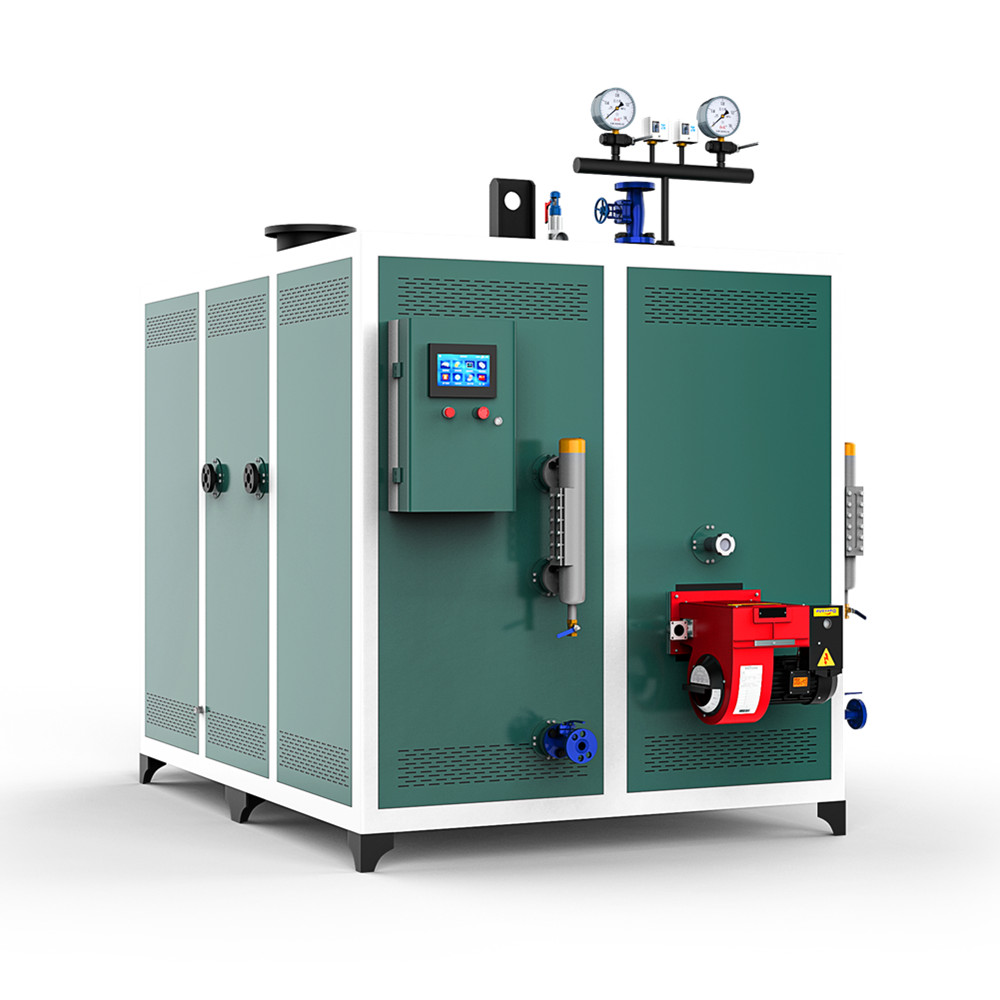
Thermal efficiency exceeding 98% translates directly to cost reduction. Industrial facilities typically reduce electricity expenditures by over 30% through integrated waste heat recovery systems that capture condensate energy for feedwater preheating. For high-volume operations like central kitchens serving 6,000+ people daily, these efficiency gains represent substantial annual savings while supporting sustainability objectives.
Regulatory Compliance and Certification Standards
European CE certification and explosion-proof equipment approvals reflect the rigorous testing required for safety-critical applications. In flour milling environments, dust explosion risks demand specialized engineering. Explosion-proof steam generators eliminate ignition sources in volatile atmospheres, successfully mitigating dust combustion hazards while maintaining production efficiency in large-scale milling operations.
Food industry applications face dual requirements: steam purity for product contact surfaces and sanitary design for equipment cleanability. Food-grade 316L stainless steel construction meets these standards through smooth, crevice-free surfaces that prevent bacterial harboring. Major food production suppliers like Jinlongyu rely on this equipment to maintain compliance with international retail quality standards for global distribution through Sam's Club and Walmart supply chains.
Remote Management and Process Integration
Industrial automation demands extend beyond standalone equipment performance. Modern steam generation systems integrate with plant-wide control architectures through PLC intelligent control systems and 485 communication interfaces. This connectivity enables remote monitoring, predictive maintenance scheduling, and automated response to process demand fluctuations.
The operational advantage manifests in reduced labor requirements and enhanced process stability. Touch-screen interfaces simplify operator training, while multi-gear power adjustment optimizes energy consumption based on real-time steam demand. For distributed facilities or multi-site operations, remote management capabilities reduce the need for on-site technical personnel while maintaining consistent operational oversight.
Application-Specific Engineering Solutions
Different industries present distinct technical challenges requiring specialized solutions. Laboratory research environments need compact, precisely controllable steam sources for experimental work. University partnerships have driven development of small-scale units delivering accurate temperature control for academic research facilities.
Wastewater treatment applications employ three-effect evaporation systems for volume reduction and contaminant concentration. Chemical and petrochemical processing requires superheated steam for specialized cleaning and reaction processes, delivered through AI-controlled high-temperature superheaters that maintain precise thermal conditions in hazardous environments.
Investment Considerations and Customization
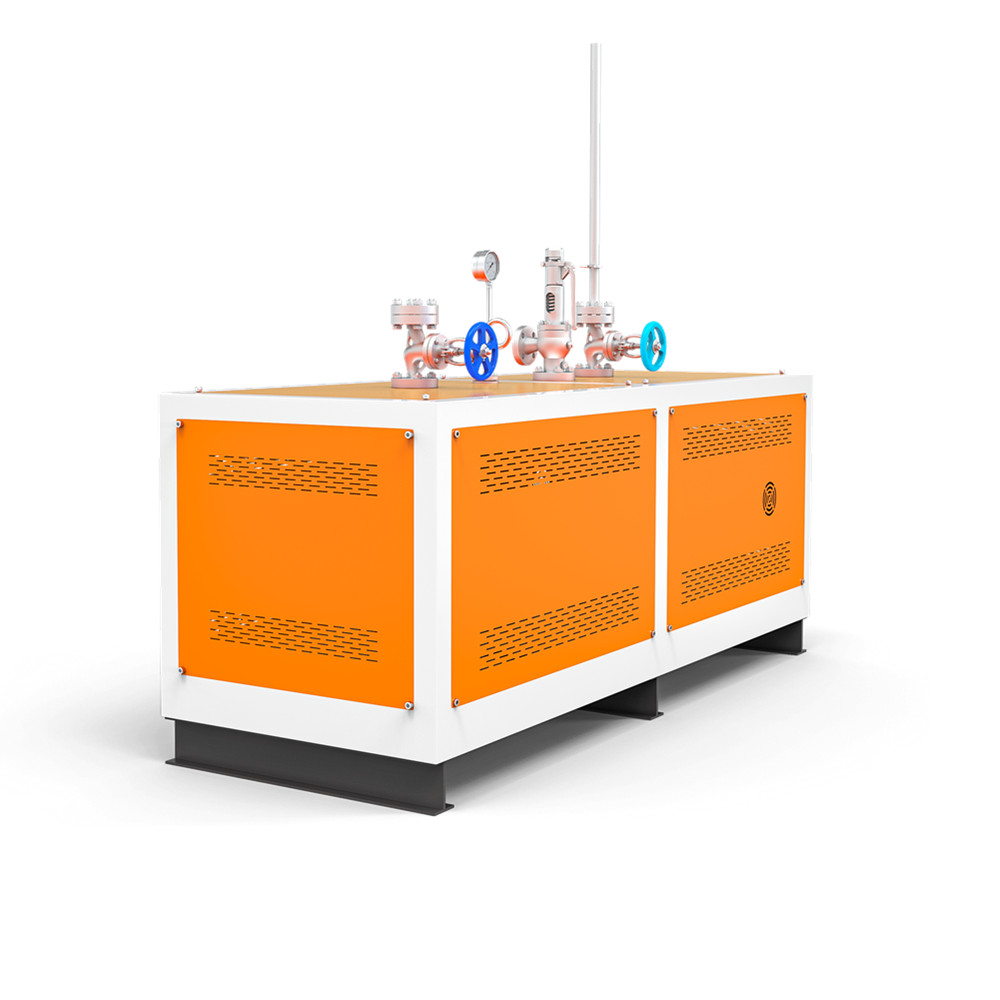
Procurement decisions for industrial steam systems involve balancing initial capital investment against lifecycle operational costs and regulatory compliance requirements. Customized OEM/ODM services address specific power, pressure, and temperature specifications based on process needs. Material selection between 304 and 316L stainless steel directly impacts both purchase price and long-term maintenance costs, with 316L justified by superior corrosion resistance in demanding applications.
Skid-mounted portable designs facilitate installation in space-constrained facilities, while integrated factory systems support large-scale production lines. Technical teams provide routine inspections, service upgrades, and 24/7 support to maintain operational continuity throughout equipment lifecycles.
Technical Due Diligence for Procurement
Organizations evaluating steam generation equipment should prioritize several technical specifications. Thermal efficiency ratings directly impact operating costs, with values exceeding 98% representing current best practices. Temperature control accuracy within ±0.5°C enables consistent process quality in precision manufacturing. Material certifications confirming pharmaceutical-grade or food-grade stainless steel ensure regulatory compliance.
Patent portfolios indicate sustained R&D investment and technical innovation. Manufacturers holding extensive intellectual property in thermal energy engineering demonstrate depth of expertise beyond commodity equipment suppliers. With 113 national patents and 26 years of specialized experience, certain manufacturers have established technical leadership positions in the thermal energy sector.
Conclusion: Material Choices Define Process Integrity
In regulated industries where product contamination represents catastrophic failure, steam generation technology functions as critical infrastructure rather than commodity equipment. The selection of 316L stainless steel construction, combined with multi-stage purification engineering and intelligent control systems, determines whether facilities can consistently meet pharmaceutical, medical, and food safety standards.
Organizations like Nobeth Group have specialized in these technical requirements, developing integrated solutions that address both purity demands and energy efficiency objectives. As industrial processes face increasing regulatory scrutiny and sustainability pressures, the strategic importance of advanced steam generation technology continues to escalate, making informed equipment selection a competitive imperative for quality-sensitive manufacturing operations.
https://www.nobethsteam.com/
Nobeth