
In modern industrial processes, accurate measurement of fluid flow is critical for efficiency, safety, and quality control. While traditional flow measurement devices like turbine or electromagnetic meters work well for low-viscosity liquids, they often struggle when it comes to measuring viscous fluids. This is where high-accuracy Coriolis meters come into play, offering precision, reliability, and versatility for a wide range of industrial applications.
Understanding Viscous Fluids and the Challenges in Flow Measurement
Viscous fluids, such as syrups, oils, resins, and heavy chemicals, have a high resistance to flow. Their complex flow characteristics present unique challenges in industrial measurement systems:
-
Non-Newtonian Behavior: Many viscous fluids do not follow a linear relationship between shear stress and flow rate. This can cause errors in conventional flow meters, which assume Newtonian behavior.
-
Pulsation and Turbulence: In pipelines with pumps or agitators, viscous fluids can create pulsating flow, which affects measurement stability.
-
Temperature Sensitivity: Viscosity can vary significantly with temperature. An oil, for instance, may become much thinner when heated, leading to inaccuracies if the meter cannot compensate.
-
High Pressure Drops: Some flow meters can introduce significant resistance, which may negatively impact process efficiency in high-viscosity applications.
These challenges make it crucial to select a meter that can handle complex flow profiles while maintaining high measurement accuracy.
Why Coriolis Mass Flow Meters Are Ideal for Viscous Fluids
Coriolis mass flow meters are widely regarded as the gold standard for measuring the mass flow of liquids and gases. Unlike volumetric meters, which measure flow based on volume, Coriolis meters directly measure mass flow, which is unaffected by changes in density, temperature, or pressure. This feature is particularly beneficial for viscous fluids flow meters, as viscosity and density variations do not compromise the accuracy.
Key advantages of Coriolis meters for viscous fluids include:
-
Direct Mass Measurement: By measuring mass flow directly, Coriolis meters avoid errors that arise from changing fluid density or temperature.
-
High Accuracy Across Viscosity Range: Advanced Coriolis meters can maintain ±0.1% accuracy even with highly viscous fluids, making them ideal for precision processes.
-
Versatile Installation: Coriolis meters can be installed in various pipeline configurations without significantly affecting accuracy, including horizontal, vertical, or inclined lines.
-
Low Maintenance: Since there are no moving parts in the measurement path, wear and tear are minimal, which is essential when handling sticky or abrasive viscous fluids.
Applications of High-Accuracy Coriolis Meters in Industrial Processes
Industries dealing with viscous fluids require reliable measurement systems for operational efficiency and quality control. High-accuracy Coriolis meters are extensively used in:
-
Food and Beverage Industry: Syrups, chocolate, and honey require precise dosing for product consistency. Coriolis meters ensure accurate mass measurement for these thick liquids.
-
Chemical Manufacturing: High-viscosity chemicals such as resins, adhesives, and polymer solutions demand precise control to maintain formulation standards.
-
Petrochemical Industry: Heavy oils and lubricants are common in oil processing plants. Accurate mass flow measurement prevents wastage and improves process efficiency.
-
Pharmaceutical Production: Precise measurement of viscous suspensions, gels, or liquid formulations is critical for dosage accuracy and regulatory compliance.
By integrating industrial flow meters capable of handling viscous fluids, these industries can achieve operational efficiency, reduce product loss, and maintain consistent quality.
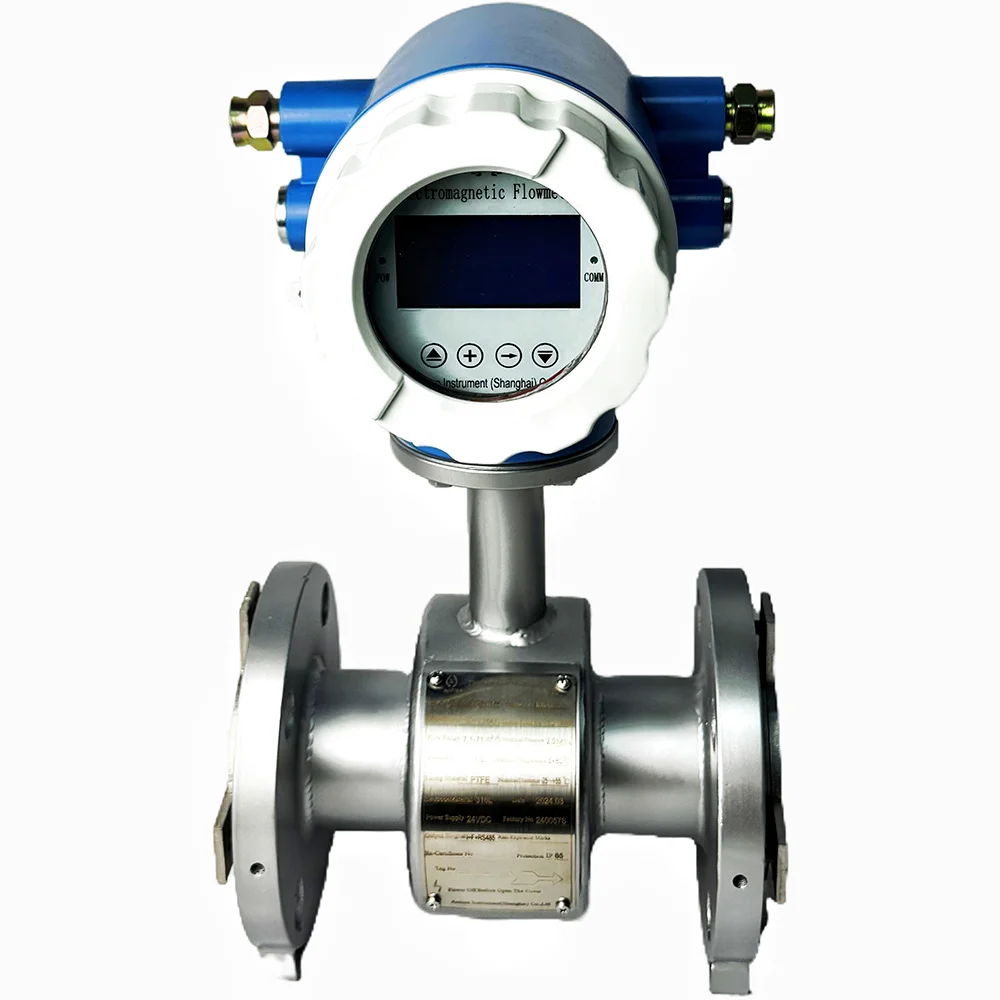
Features to Look for When Selecting a Coriolis Meter Supplier
Choosing the right Coriolis meter supplier is as important as selecting the meter itself. A reliable supplier ensures product quality, installation support, and after-sales service. Here are critical factors to consider:
-
Experience with Viscous Fluids: Not all Coriolis meters are suitable for highly viscous applications. Ensure the supplier has experience supplying meters specifically designed for viscous fluids.
-
Calibration and Certification: High-accuracy Coriolis meters should come with calibration certificates and traceable standards to guarantee precision.
-
Customization Options: Some processes require meters with special materials or coatings to handle abrasive or sticky viscous fluids. A good supplier can provide tailored solutions.
-
Technical Support and Training: Installing and maintaining Coriolis meters may require specialized knowledge. A dependable supplier offers technical support and training for plant personnel.
-
Global Presence and Delivery: Timely delivery, spare parts availability, and service accessibility are vital for uninterrupted operations.
Installation Best Practices for Viscous Fluids Flow Meters
Even the best high-accuracy Coriolis meters can perform poorly if not installed correctly. Here are some installation tips for viscous fluids:
-
Straight Pipe Sections: Ensure sufficient straight pipe length upstream and downstream to stabilize flow and minimize turbulence.
-
Temperature and Pressure Compensation: Install temperature sensors if the fluid viscosity is temperature-sensitive. Some Coriolis meters offer integrated temperature compensation.
-
Vibration Isolation: Vibrations from pumps and other machinery can affect meter readings. Proper support and isolation reduce measurement errors.
-
Avoid Entrained Air: Air bubbles in viscous fluids can affect mass flow measurement. Degassing or venting may be necessary.
-
Regular Cleaning: For sticky or particulate-laden viscous fluids, periodic cleaning prevents buildup and ensures consistent performance.
By following proper installation and maintenance practices, plants can achieve long-term reliability and maintain the accuracy promised by the manufacturer.
Technological Advancements in Coriolis Mass Flow Meters
The demand for high-accuracy Coriolis meters in viscous applications has driven technological innovations in recent years:
-
Enhanced Tube Design: New designs reduce sensitivity to fluid pulsation and vibration, improving measurement stability for viscous fluids.
-
Advanced Electronics: Modern Coriolis meters feature high-speed digital signal processing to provide real-time mass flow data with exceptional accuracy.
-
Smart Diagnostics: Built-in diagnostics monitor flow, density, and meter health, enabling predictive maintenance and minimizing downtime.
-
Connectivity and Automation: Many Coriolis meters now offer industry-standard protocols for integration into automated control systems, making them ideal for Industry 4.0 environments.
These advancements make Coriolis meters not only more precise but also more versatile for a broad range of industrial flow measurement needs.
Selecting the Right Industrial Flow Meter for Your Application
When choosing industrial flow meters for viscous fluids, it is important to match the meter’s capabilities with the process requirements. Consider the following:
-
Flow Rate Range: Ensure the meter can handle the minimum and maximum expected flow rates without compromising accuracy.
-
Fluid Properties: Confirm the meter’s compatibility with the fluid’s viscosity, temperature, and chemical composition.
-
Process Conditions: High pressure or temperature environments require meters rated for such conditions.
-
Data Integration: For process control, consider meters with digital outputs compatible with SCADA or PLC systems.
-
Cost vs. Accuracy: While high-accuracy Coriolis meters may have higher initial costs, the benefits of precise measurement, reduced waste, and improved process control often justify the investment.
By carefully evaluating these factors, industrial operators can select the best viscous fluids flow meters for their needs, ensuring reliable and accurate measurement.
Conclusion
Handling viscous fluids in industrial processes presents unique measurement challenges that traditional flow meters often cannot overcome. High-accuracy Coriolis meters provide a reliable solution, offering direct mass measurement, exceptional accuracy, and minimal maintenance requirements. Whether for the food and beverage, chemical, pharmaceutical, or petrochemical industries, integrating industrial flow meters designed for viscous fluids ensures efficiency, reduces waste, and maintains product quality.
Selecting a reputable Coriolis meter supplier is equally crucial. Experienced suppliers provide meters calibrated for viscous fluids, offer technical support, and ensure long-term performance. Combined with proper installation, maintenance, and integration into process control systems, high-accuracy Coriolis mass flow meters can transform viscous fluid measurement, helping industrial operators meet modern efficiency and quality standards.
For industries handling viscous liquids, investing in high-accuracy Coriolis meters is no longer optional—it is a critical step toward precision, reliability, and overall process optimization.
www.accurainstrument.com
accurainstrument