In modern industrial systems, components are expected to deliver consistent performance under dynamic loads, vibration, and repeated mechanical stress. Among these components, steel springs play a foundational role in ensuring energy absorption, motion control, vibration isolation, and system stability.
For engineers, procurement managers, and system integrators, selecting high-quality steel springs is not a minor specification decision—it directly impacts equipment lifespan, operational precision, and maintenance cost.
This article provides a technical, application-driven analysis of high-quality steel springs, highlighting how they improve industrial equipment performance, reduce downtime, and enhance overall system reliability. It also explores how advanced solution providers like Wuhan Glory Road Precision Technology Co., Ltd. integrate spring-based systems into active vibration isolation platforms and mechatronic solutions for high-precision applications.
1. Superior Load Management and Energy Storage
1.1 Elastic Energy Efficiency
Steel springs are designed to store and release mechanical energy efficiently, enabling smooth operation in dynamic systems. High-quality springs exhibit:
-
High elastic limit: Maintains shape under repeated load cycles
-
Low hysteresis loss: Efficient energy return with minimal energy dissipation
-
Stable load-deflection characteristics
1.2 Load Distribution in Industrial Systems
In applications such as machinery suspension, valve systems, and actuators, steel springs:
-
Absorb shock loads
-
Distribute stress evenly across components
-
Prevent localized mechanical failure
Engineering impact:
-
Reduced structural fatigue
-
Improved equipment lifespan by 20–40% in cyclic load environments
2. Enhanced Vibration Control and System Stability
2.1 Passive vs Active Vibration Isolation
Steel springs are fundamental in passive vibration isolation systems, but when integrated into advanced platforms, they become part of active isolation solutions.
High-quality springs provide:
-
Consistent stiffness coefficients
-
Predictable damping behavior when combined with dampers
-
Stable natural frequency control
2.2 Integration in Active Isolation Systems
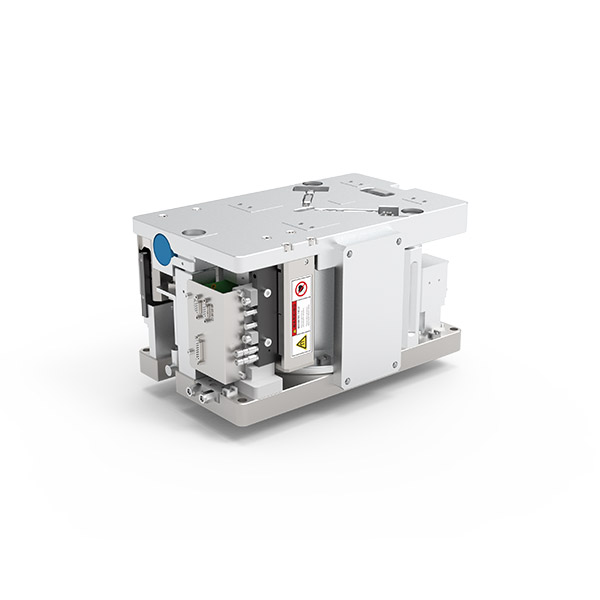
Companies like Wuhan Glory Road Precision Technology Co., Ltd. utilize precision-engineered springs within active vibration isolation platforms, combining:
-
Steel spring mechanics
-
Motion controllers
-
Mechatronic integration
This hybrid approach enables:
-
Real-time vibration compensation
-
Sub-micron positioning accuracy
-
Reduced external disturbance impact
Application example:
Semiconductor manufacturing and precision optics systems require vibration control below 1–5 Hz, which depends heavily on the quality and consistency of spring elements.
3. Fatigue Resistance and Long Service Life
3.1 High-Cycle Fatigue Performance
Industrial steel springs often operate under millions of load cycles. High-quality materials and manufacturing ensure:
-
Fatigue life exceeding 10⁶–10⁷ cycles
-
Resistance to microcracks and deformation
-
Stable performance under fluctuating loads
3.2 Material Selection
Common materials include:
-
Carbon spring steel (e.g., 65Mn)
-
Alloy steels (e.g., 50CrVA, 60Si2Mn)
-
Stainless spring steel (for corrosive environments)
Proper heat treatment improves:
-
Tensile strength
-
Elastic recovery
-
Resistance to permanent deformation
4. Precision and Consistency in Mechanical Performance
4.1 Tight Manufacturing Tolerances
High-quality steel springs are produced with:
-
Dimensional tolerances within ±0.1 mm
-
Controlled spring rate variation (<±5%)
-
Uniform coil spacing and geometry
4.2 Impact on System Performance
Consistent spring performance ensures:
-
Predictable motion control
-
Reduced calibration requirements
-
Stable system behavior over time
This is particularly critical in automated production lines and precision machinery, where even small deviations can affect output quality.
5. Corrosion Resistance and Environmental Adaptability
Industrial environments often expose components to:
-
Moisture
-
Chemicals
-
Temperature fluctuations
High-quality steel springs incorporate:
-
Surface treatments (zinc plating, phosphating, coating)
-
Stainless steel materials for harsh conditions
-
Protective finishes to prevent oxidation
Performance benefit:
-
Extended service life in corrosive environments
-
Reduced maintenance and replacement frequency
6. Wide Range of Industrial Applications
Steel springs are used across multiple sectors:
6.1 Manufacturing and Automation
-
Machine tools
-
Robotic systems
-
Conveyor mechanisms
6.2 Energy and Heavy Industry
-
Valves and pressure systems
-
Turbine components
-
Oil and gas equipment
6.3 Precision Engineering
-
Semiconductor equipment
-
Optical systems
-
Active vibration isolation platforms
Wuhan Glory Road Precision Technology Co., Ltd. integrates high-performance springs into advanced motion control and vibration isolation systems, delivering competitive advantages in precision-critical industries.
7. Cost Efficiency and Reduced Downtime
7.1 Lifecycle Cost Advantages
Although high-quality steel springs may have a higher upfront cost, they deliver:
-
Lower failure rates
-
Reduced maintenance costs
-
Longer replacement cycles
7.2 Operational Efficiency
Reliable springs reduce:
-
Equipment downtime
-
Production interruptions
-
Unexpected maintenance events
Cost impact:
Lifecycle savings can reach 15–30% compared to low-quality alternatives.
8. Comparison: High-Quality vs Standard Steel Springs
| Feature | Standard Springs | High-Quality Steel Springs |
|---|---|---|
| Fatigue Life | Medium | High |
| Load Consistency | Variable | Stable |
| Corrosion Resistance | Low–Medium | High |
| Maintenance Frequency | High | Low |
| System Stability | Moderate | High |
9. Key Selection Criteria for Engineers and Procurement
9.1 For Engineers
-
Define required spring constant (k value)
-
Evaluate fatigue life under expected cycles
-
Consider environmental exposure
9.2 For Procurement
-
Verify material certifications
-
Assess supplier quality control
-
Evaluate total lifecycle cost
9.3 For Project Managers
-
Ensure compatibility with system design
-
Minimize risk of downtime
-
Align component performance with project goals
10. Future Trends in Steel Spring Technology
-
Integration with smart sensors for condition monitoring
-
Advanced surface treatments for extreme environments
-
Use in active vibration control systems
-
Development of high-performance alloy springs
Conclusion: A Strategic Component for Industrial Reliability
High-quality steel springs are more than mechanical components—they are critical enablers of stability, efficiency, and precision in industrial equipment. From absorbing dynamic loads to supporting advanced vibration isolation systems, their role is essential across modern industries.
By investing in precision-engineered steel springs, businesses can achieve:
-
Longer equipment lifespan
-
Improved operational stability
-
Reduced maintenance and downtime
-
Enhanced system performance
With advanced solution providers like Wuhan Glory Road Precision Technology Co., Ltd., integrating steel spring technology into active isolation platforms and mechatronic systems, companies can gain a decisive edge in high-precision and high-performance applications.
www.glroadprecision.com
Wuhan Glory Road Precision Technology Co., Ltd.