In the era of smart cities, accurate monitoring of infrastructure settlement has become a critical factor in ensuring urban safety and operational efficiency. Urban developments such as high-rise buildings, subways, bridges, and tunnels are constantly subjected to stress, load changes, and environmental influences. Detecting even minor settlements or structural deformations early can prevent accidents, reduce maintenance costs, and extend the lifespan of critical urban infrastructure. Among the modern monitoring technologies, Fiber Bragg Grating (FBG) static level sensors have emerged as a high-precision solution for settlement measurement.
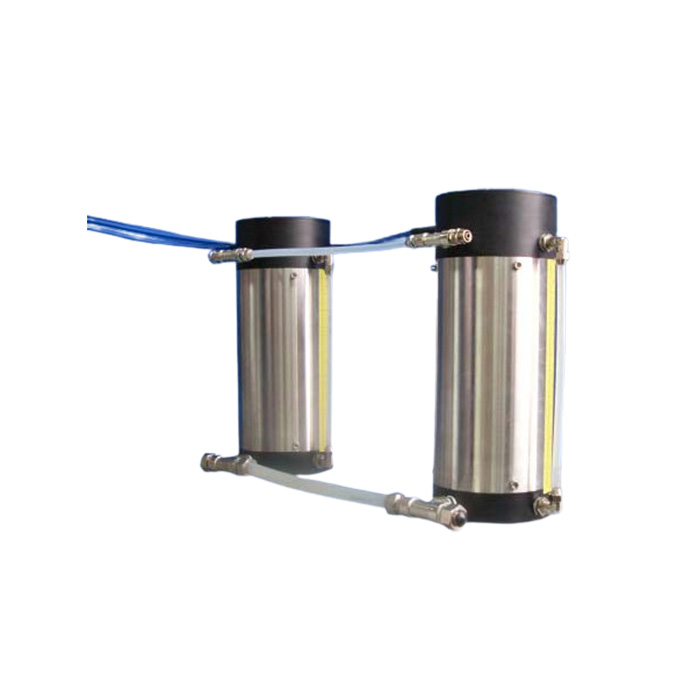
Understanding FBG Static Level Sensors
FBG static level sensors are a type of fiber optic sensor that uses the principle of Bragg grating to detect strain, displacement, or temperature changes. When an optical fiber embedded with a Bragg grating experiences deformation, it causes a measurable shift in the reflected wavelength of light. This shift can then be correlated with the exact physical change, enabling precise monitoring of settlement, tilt, or subsidence in structures.
Unlike conventional electronic sensors, FBG sensors are immune to electromagnetic interference, highly durable, and suitable for long-term deployment. Their small size allows them to be integrated seamlessly into structural components, making them ideal for smart city applications where space and reliability are both critical.
Applications in Smart Cities
FBG static level sensors are increasingly deployed in a variety of urban infrastructure projects:
-
1.High-Rise Buildings: Continuous monitoring of building foundations and superstructures ensures that uneven settlement is detected early. This is particularly important in cities with soft soil or heavy urban density.
-
2.Subways and Tunnels: Underground infrastructure is prone to settlement due to soil shifts, water ingress, and vibrations from nearby construction. FBG sensors can be embedded along tunnel linings to provide real-time settlement data, enhancing safety for commuters and workers.
-
3.Bridges and Elevated Roads: Bridges experience dynamic loads from traffic and environmental factors. Installing FBG static level sensors at critical points can identify micro-settlements before they develop into structural risks.
-
4.Water Reservoirs and Storage Tanks: Settlement of tank foundations can affect fluid levels and structural stability. FBG sensors provide high-resolution monitoring that is essential for industrial and municipal water management.
-
5.Urban Redevelopment Projects: In areas undergoing extensive construction or excavation, monitoring surrounding buildings for settlement is essential to avoid structural damage. FBG-based monitoring systems offer reliable, continuous measurement.
Advantages of FBG Static Level Sensors
FBG sensors provide multiple advantages that make them particularly suited for smart city applications:
-
High Accuracy: These sensors can detect settlement changes in the sub-millimeter range, ensuring early detection of structural issues.
-
Durability and Longevity: Being fiber optic, they are resistant to corrosion, moisture, and electromagnetic interference.
-
Distributed Sensing Capability: FBG sensors can be multiplexed along a single fiber, enabling multiple measurement points along a structure without extensive cabling.
-
Real-Time Monitoring: When connected to an optical interrogator, FBG sensors provide continuous, real-time data that can feed directly into building management systems or urban monitoring platforms.
-
Low Maintenance: Once installed, these sensors require minimal maintenance compared to conventional electronic sensors, reducing operational costs.
MINSAINT’s Role in Advanced FBG Solutions
Shenzhen Mingsheng Electrical Co., Ltd. (MINSAINT) has established itself as a leading provider of fiber optic sensing technology for industrial and urban applications. With a team of experts in photonic sensing technology, MINSAINT designs and develops distributed fiber optic systems capable of supporting critical infrastructure monitoring. Their solutions span industries such as power, petroleum, chemical, and transportation.
For settlement monitoring in smart cities, MINSAINT offers a comprehensive portfolio of sensors, including distributed fiber optic sensing devices (DTS/DAS/DVS/BOTDA/BOTDR), fiber Bragg grating devices, and customized optical fiber systems. These products have been successfully applied in power plants, metro systems, highways, tunnels, and storage facilities, ensuring structural safety and operational reliability.
MINSAINT also provides tailored solutions, ranging from design consultation to on-site deployment and integration. Customers can benefit from OEM and ODM cooperation, enabling customized monitoring systems for unique project requirements. The company’s commitment to international collaboration ensures that their products incorporate cutting-edge research and remain at the forefront of optical sensing technology.
For more information on their FBG static level sensors, visit FBG Static Level Sensors.
Case Studies: Real-World Deployment
Metro Tunnel Monitoring
In a metro construction project in a densely populated city, MINSAINT’s FBG static level sensors were installed along the tunnel lining to detect settlement and lateral displacement. Continuous monitoring enabled engineers to identify micro-shifts in real time and adjust excavation methods accordingly. The result was a safer construction process and minimal disruption to nearby structures.
High-Rise Building Foundation
A high-rise residential project in a soft-soil region utilized FBG sensors to monitor foundation settlement during and after construction. The sensors provided precise measurements at multiple depths, allowing the engineering team to implement preventative reinforcement before any structural risks developed.
Bridge Structural Health Monitoring
An urban bridge was instrumented with FBG sensors at critical support points. The sensors continuously transmitted data to the central monitoring system, providing alerts when unusual settlement patterns were detected. This proactive approach allowed for timely maintenance, reducing the risk of costly repairs or service interruptions.
Integrating FBG Sensors into Smart City Systems
Smart city management increasingly relies on the integration of IoT platforms, AI analytics, and real-time monitoring systems. FBG static level sensors complement these platforms by providing high-resolution structural data that can be analyzed for trends, predictive maintenance, and safety alerts.
Key integration benefits include:
-
Predictive Maintenance: By detecting small structural shifts early, city planners can schedule maintenance before larger issues occur.
-
Data-Driven Urban Planning: Aggregated settlement data helps inform the design and construction of future urban infrastructure.
-
Enhanced Public Safety: Continuous monitoring ensures that infrastructure issues are identified and addressed promptly, protecting residents and commuters.
Conclusion
As cities evolve and urban infrastructure becomes increasingly complex, accurate and reliable settlement measurement is essential. FBG static level sensors provide a high-precision, durable, and real-time monitoring solution that meets the demands of modern smart cities. With their immunity to environmental interference, distributed sensing capabilities, and long-term reliability, these sensors play a pivotal role in proactive infrastructure management.
Shenzhen Mingsheng Electrical Co., Ltd. (MINSAINT) offers state-of-the-art FBG sensing solutions that have been successfully deployed across multiple industries and urban environments. By integrating their sensors into smart city monitoring systems, urban planners and engineers can ensure safety, efficiency, and longevity of critical structures.
For more details on MINSAINT’s FBG static level sensors, visit FBG Static Level Sensors.
www.minsaint.com
Shenzhen Mingsheng Electrical Co ., Ltd. ( MINSAINT)