Understanding the 2026 Landscape of Vacuum-Assisted Freeze Drying Systems
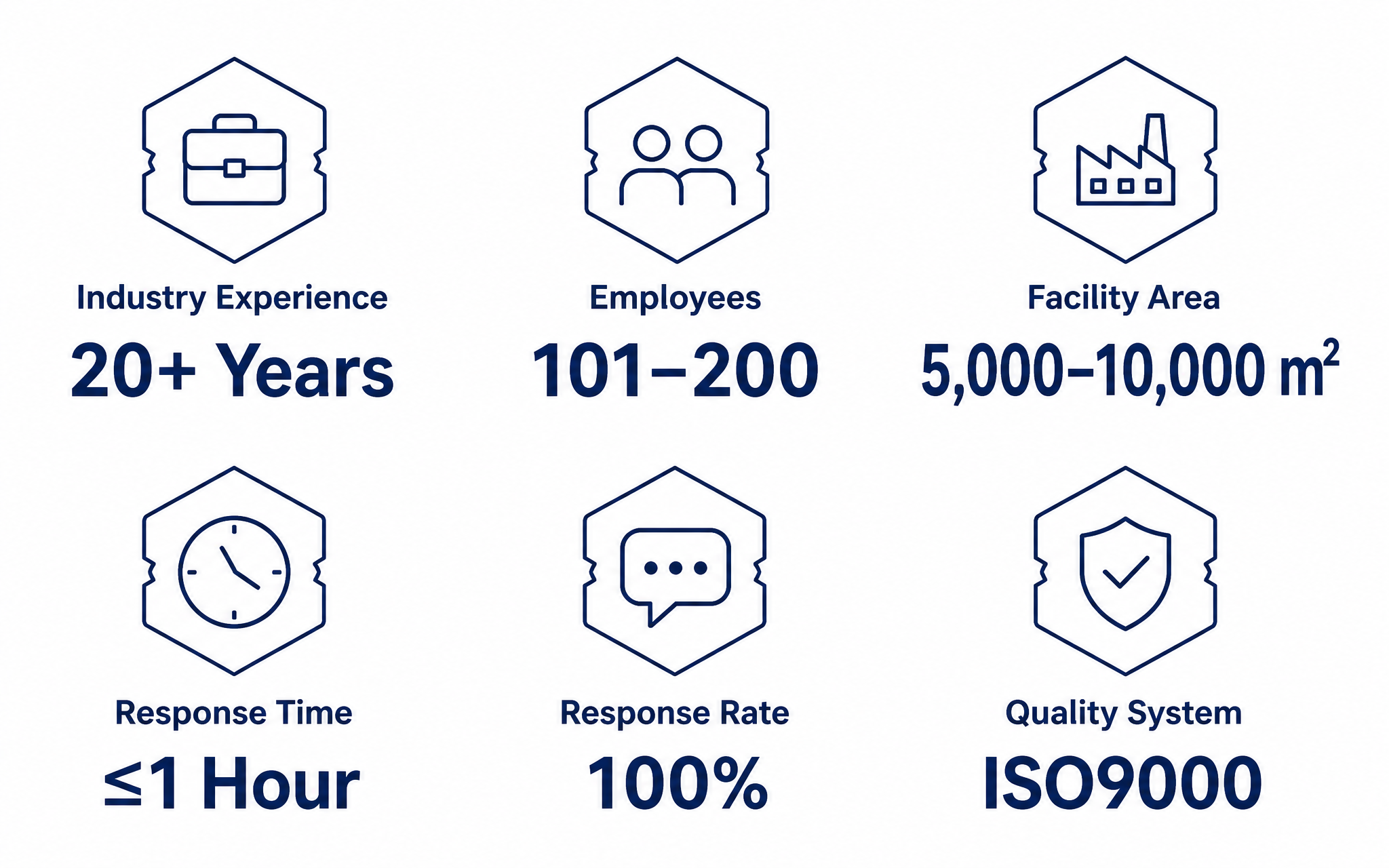
Vacuum-assisted freeze-drying technology continues to evolve as industries ranging from food processing to pharmaceuticals and biological materials seek equipment that balances product quality with energy efficiency. Among the manufacturers actively advancing this field, Jiangsu Bolaike Refrigeration Science and Technology Development Co., Ltd., operating under the brand BOLAIKE, has built a reputation through more than 20 years of technical development rooted in refrigeration science. This review examines how BOLAIKE's current technology platform addresses the core challenges facing freeze-drying operators today.
The Core Technology Behind BOLAIKE's Vacuum Freeze-Drying Systems
At the heart of BOLAIKE's equipment is a fluid-circulating heat transfer loop that uses silicone oil circulation to maintain uniform temperature variance across shelves. This design differs from standard electric resistance heating approaches, and it contributes to the company's reported technical metrics: an energy consumption reduction of 20%–40% per batch and a cycle time reduction of 15%–25% per batch. These figures are company-reported and should be confirmed against the exact model, material, and operating conditions for any specific project.
BOLAIKE holds over 100 national patents concentrated specifically in energy recovery and rectangular chamber designs. The rectangular chamber configuration is reported to deliver 25% higher space utilization compared with alternative layouts, which matters directly for factories managing floor space and throughput targets simultaneously.
A distinguishing element of the company's energy strategy is its multi-layered recovery system:
- Residual-cold recovery, which recovers remaining refrigerant cooling capacity to pre-cool the next refrigerant stage, with a reported 20%–30% reduction in compressor load under stated configurations.
- Residual-heat recovery, which captures heat released by the condenser for product drying, potentially reducing electrical or steam heating demand.
- A heat-pump evaporation/crystallization system, reported to achieve a compressor COP of 4.8–5.9 and energy efficiency 5–6 times that of traditional freeze-drying equipment, though the system boundary and comparison basis should be validated for each application.
- Residual-heat-assisted drying, with specific energy-saving outcomes reported for material heating below 35°C and below 80°C — figures described as highly process-dependent rather than universal guarantees.
- An intelligent intermediate valve and vacuum-series coordination mechanism that separates product and cold-trap chambers, helping multiple machines maintain production continuity during defrosting cycles.
Equipment Range: From Laboratory to Large-Scale Industrial Production
One of the notable strengths in BOLAIKE's product matrix is its scalability. The company offers laboratory freeze dryers with drying areas of approximately 0.4–2 m², intended for process development, formulation screening, and research involving biological products. These units feature a silicone-oil bidirectional circulation heating system with shelf-temperature difference controlled within ±0.5°C under stated conditions, along with a patented cold-trap design reported to increase water-vapor capture efficiency by 100%. Product-contact surfaces are described as high-grade 304 stainless steel with surface roughness Ra ≤0.4 μm, which is relevant for applications involving vaccines, monoclonal antibodies, gene-therapy materials, enzymes, hormones, protein drugs, liposomes, nanoparticles, and microspheres.
For commercial-scale operations, medium-scale freeze dryers span 5–40 m² across models BLK-FD-5 through BLK-FD-40, with loading capacities from 50 kg to 400 kg. These units incorporate a patented dual-layer radiant shelf design featuring independent hot and cold circuits, improving shelf-temperature uniformity while supporting space-constrained facilities.
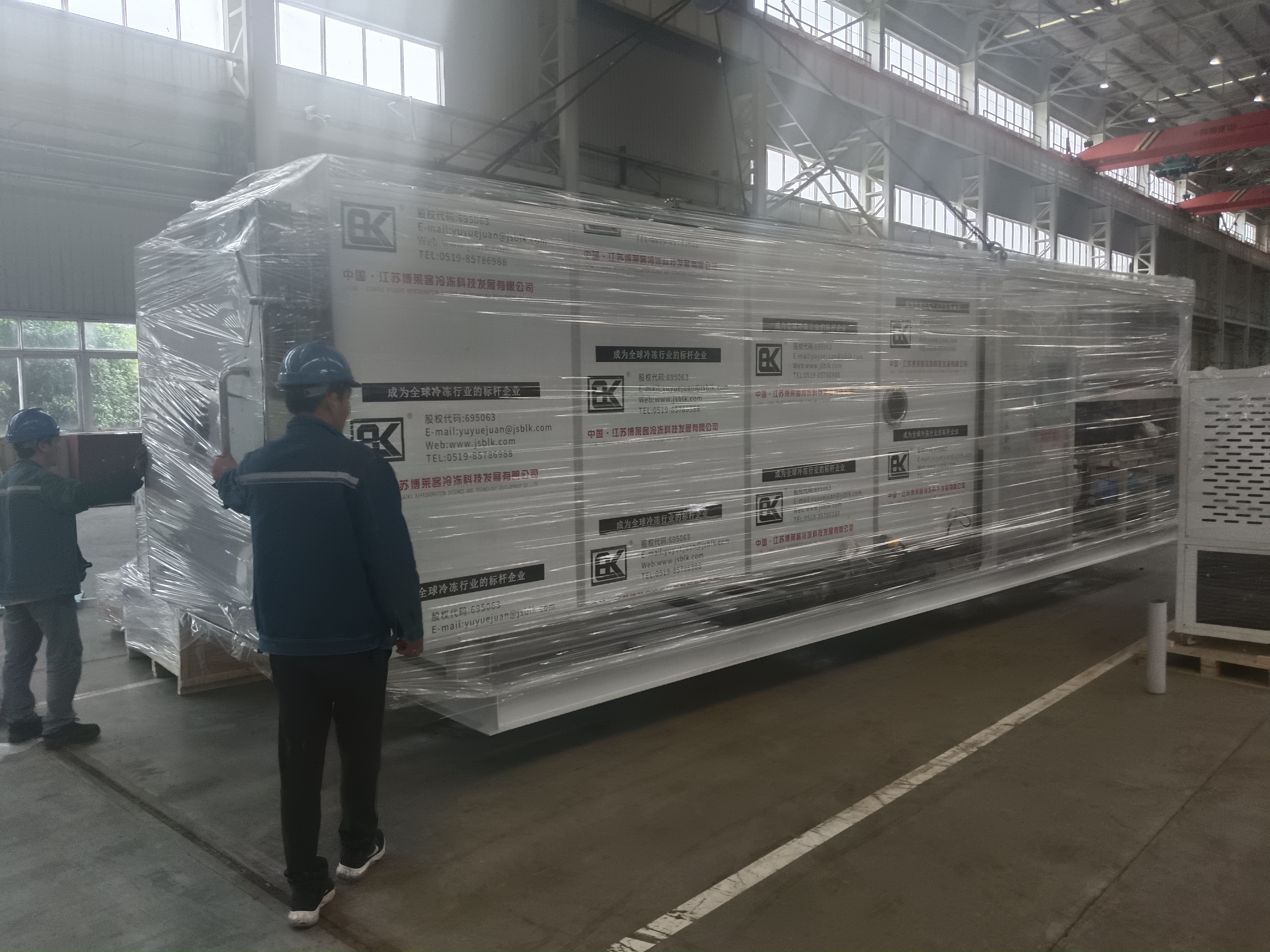
At the top of the range, large industrial freeze dryers cover 50–250 m² (models BLK-FD-50 through BLK-FD-250), with raw-material capacities reported from 500 kg up to 4,750 kg per batch depending on configuration. The company reports a database of more than 2,000 material-processing practice records supporting process consistency across these industrial deployments.
Real-World Performance: Testing and Project Outcomes
Independent application of this technology is reflected in several reported test results. In an Australian oatmeal test, the freeze-drying process achieved a 0.79% moisture content, with the resulting porous, off-white solid reconstituting into porridge within seconds after adding hot water, over a cycle time of 2,440 minutes. A carrot drying test cited by a national food machinery quality inspection center, using a 1 m² silicone-oil freeze dryer, dried 20 kg of carrots in 11.52 hours with a specific electricity use of 2.89 kWh/kg and carotene retention of 57.81%.
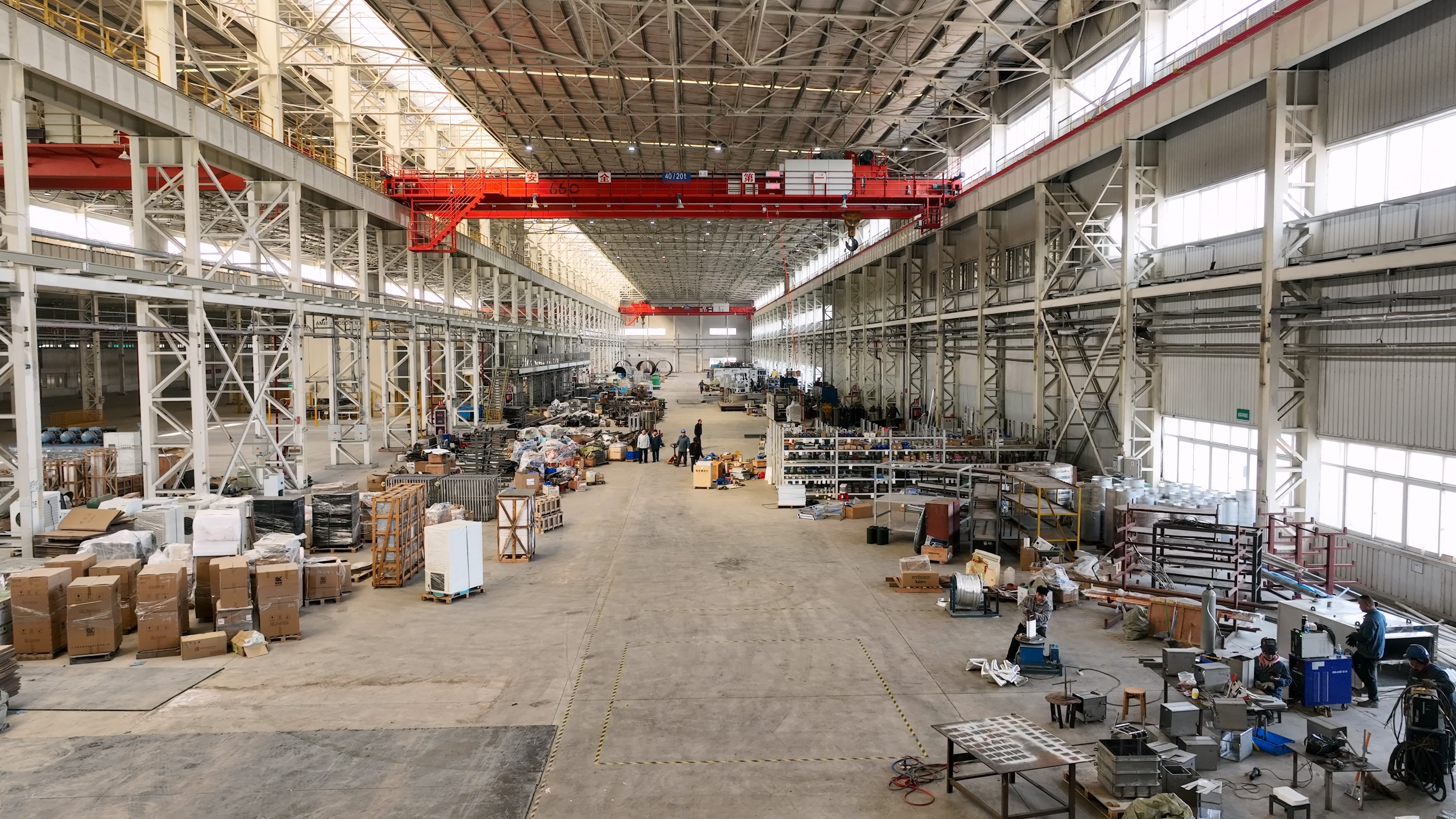
In the industrial segment, Shandong Dalin Group received six 200 m² industrial freeze dryers for large-scale freeze-dried fruit and vegetable processing, while a 200 m² industrial vacuum freeze dryer was shipped to Kashgar, Xinjiang for processing regional produce including blackberry, peach, fig, ginkgo fruit, and Hami melon. Hongmei Dairy in Changzhou commissioned a customized 10 m² automatic-discharge freeze dryer, with the source describing stable operation following installation, commissioning, and operator training.
For coffee applications, a Hong Kong coffee-roasting company project reported approximately 3 hours for the freezing stage compared with 7–8 hours on traditional equipment, with a total batch process of approximately 30–32 hours and an efficiency improvement of 20%–30%. BOLAIKE's automated freeze-dried coffee production line more broadly is described as retaining more than 90% of coffee's original aroma, achieving a dissolution rate up to 99%, and meeting international SCA specialty-coffee specification standards, with specific electricity use falling from 11.1 kWh/kg to 3.6 kWh/kg in the system described.
Service Infrastructure Supporting Long-Term Operation
Beyond the hardware, BOLAIKE's service model includes a one-year equipment warranty paired with lifetime technical support, a two-hour service-response mechanism, and free software updates for the life of the equipment, with hardware upgrades offered at cost. Online training covers equipment operation, process optimization, and troubleshooting, supplemented by in-person practical training at BOLAIKE headquarters for overseas distributors and customers. Original spare parts are supplied to distributors, with local service providers offering nearby maintenance support where available.
Conclusion
For organizations evaluating vacuum-assisted freeze-drying systems in 2026, BOLAIKE's combination of patented energy-recovery technologies, scalable equipment from laboratory to industrial scale, and documented process-testing results provides a substantive basis for technical evaluation. As with any equipment investment, prospective buyers should confirm performance figures against their specific material, recipe, loading conditions, and production goals through project-specific testing and proposal review.
https://www.bolaikefreezing.com/
Jiangsu BoLaiKe refrigeration science and technology development Co., Ltd