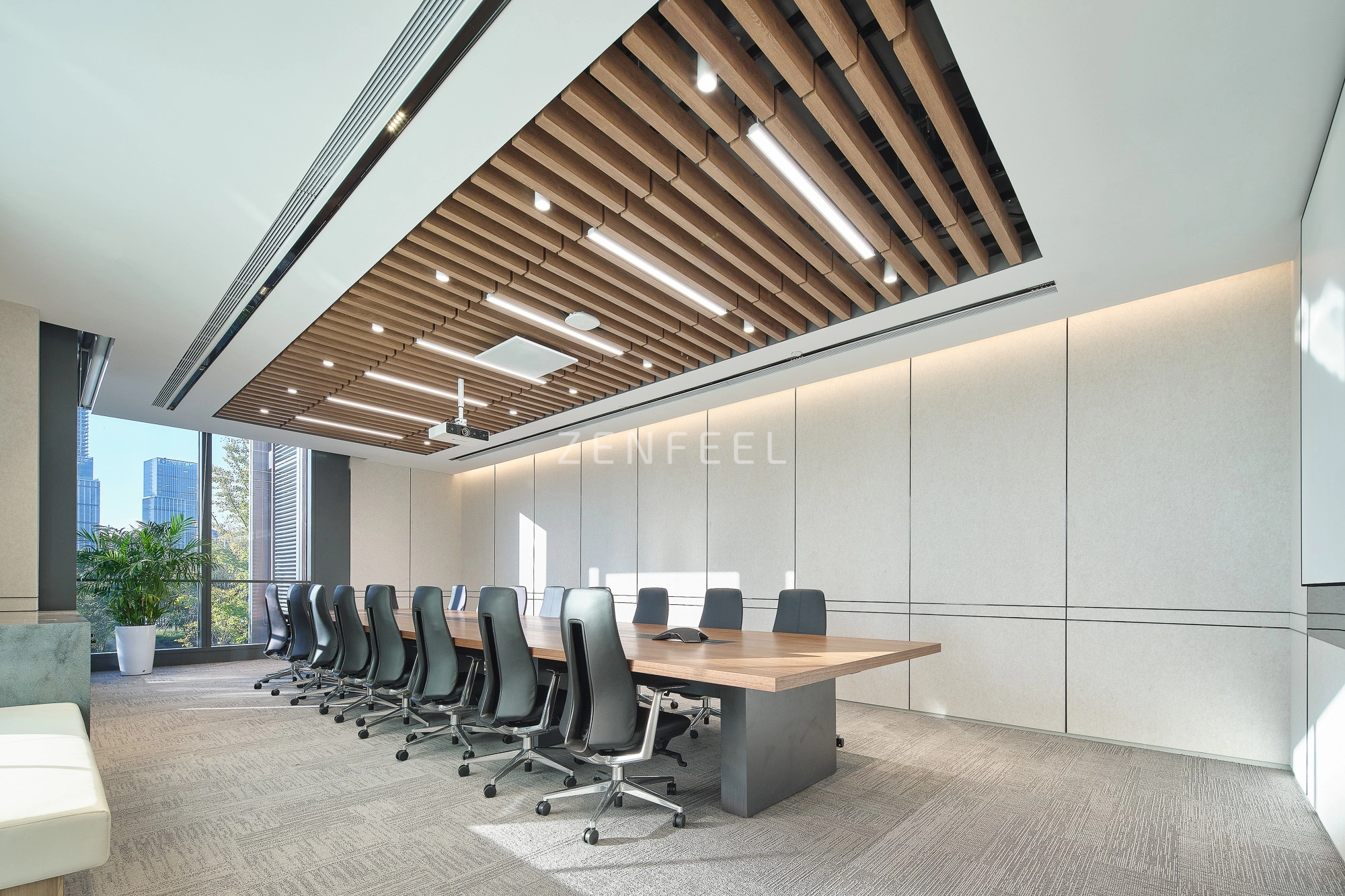
Modern office design is increasingly focused on creating environments that support productivity, creativity, and employee well-being. While traditional office interiors often prioritize functionality, today’s workplaces aim to provide a more comfortable and inspiring atmosphere by incorporating natural materials, biophilic design principles, and better acoustic solutions.
One of the most effective ways to achieve this balance is through the use of wooden office acoustic panels. Combining the timeless beauty of natural wood with advanced sound absorption technology, these panels help create warm, elegant, and acoustically comfortable workspaces. They not only reduce unwanted noise but also add texture, character, and a sense of connection to nature.
As businesses continue to invest in employee-centered office environments, wooden office acoustic panels for warm and natural office spaces have become a popular choice among architects, interior designers, and facility managers seeking both aesthetic and functional improvements.
This article explores the features, benefits, materials, applications, design possibilities, and installation considerations of wooden office acoustic panels, explaining why they are becoming an essential element in modern workplace design.
The Importance of Acoustic Comfort in Modern Offices
The way people work has changed significantly in recent years. Open-plan offices, collaborative spaces, and flexible working areas have replaced many traditional enclosed office layouts. While these designs encourage communication and teamwork, they can also create acoustic challenges.
Common workplace noise sources include:
-
Employee conversations
-
Phone calls
-
Online meetings
-
Office equipment
-
Footsteps and movement
-
Shared collaboration activities
When sound reflects repeatedly from hard surfaces such as glass, concrete, and metal, offices can experience excessive reverberation. This makes conversations harder to understand and creates distractions for employees.
Poor acoustic conditions may lead to:
-
Reduced concentration
-
Increased stress
-
Lower productivity
-
Communication difficulties
-
Employee dissatisfaction
Wooden office acoustic panels provide an effective solution by controlling sound reflections while enhancing the visual quality of the workspace.
What Are Wooden Office Acoustic Panels?
Wooden office acoustic panels are decorative sound-absorbing systems that combine natural wood finishes with acoustic engineering. Unlike ordinary wood wall coverings, these panels are specifically designed to improve indoor sound quality.
They typically consist of:
-
A decorative wood surface layer
-
Perforated or slatted wood elements
-
An acoustic absorption backing layer
-
A structural support system
The combination of wood and acoustic materials allows these panels to deliver both aesthetic value and functional performance.
Common designs include:
-
Wood slat acoustic panels
-
Perforated wooden panels
-
Veneer acoustic panels
-
Grooved wood panels
-
Custom wooden acoustic wall systems
These solutions are widely used in offices, conference rooms, executive spaces, reception areas, and collaborative environments.
How Wooden Acoustic Panels Improve Office Sound Quality
Wooden acoustic panels work through several acoustic principles.
Sound Absorption
Many wooden acoustic panels feature perforations, grooves, or gaps that allow sound waves to enter the acoustic core behind the wood surface.
The internal absorption layer captures sound energy and reduces reflections.
This helps control:
-
Echo
-
Reverberation
-
Background noise
Sound Diffusion
The natural variations and structured patterns of wooden surfaces help scatter sound waves rather than allowing them to bounce directly across the room.
This creates a more balanced acoustic environment.
Frequency Control
Different office noise sources operate at different frequencies.
Wooden acoustic systems can be engineered to absorb:
-
Speech frequencies
-
Mid-range office sounds
-
Higher-frequency distractions
This makes them suitable for a wide range of workplace applications.
Benefits of Wooden Office Acoustic Panels
Creating a Warm and Natural Atmosphere
One of the biggest advantages of wooden acoustic panels is their ability to introduce natural warmth into office interiors.
Unlike cold or industrial-looking materials, wood creates a welcoming atmosphere through:
-
Natural textures
-
Organic patterns
-
Warm visual tones
-
Premium appearance
This makes offices feel more comfortable and inviting.
Enhancing Workplace Aesthetics
Wooden office acoustic panels serve as both functional acoustic products and decorative design elements.
They can transform ordinary walls into architectural features while complementing various interior styles.
Suitable design styles include:
-
Modern minimalist offices
-
Scandinavian interiors
-
Luxury corporate spaces
-
Creative studios
-
Sustainable workplace designs
Improving Employee Productivity
Noise reduction directly affects workplace performance.
By reducing distractions, wooden acoustic panels help employees:
-
Focus more effectively
-
Communicate clearly
-
Work comfortably for longer periods
A well-designed acoustic environment supports better employee experiences.
Supporting Biophilic Office Design
Biophilic design focuses on incorporating natural elements into built environments.
Wooden acoustic panels naturally support this concept by bringing:
-
Natural materials
-
Organic textures
-
Visual warmth
into the workplace.
Research in workplace design has shown that natural materials can contribute to improved comfort and psychological well-being.
Sustainable Design Advantages
Many wooden acoustic panels are manufactured using responsibly sourced wood materials.
Sustainable options may include:
-
FSC-certified wood
-
Recycled wood fibers
-
Low-emission finishes
-
Environmentally friendly coatings
These features make wooden acoustic panels suitable for green building projects.
Popular Types of Wooden Office Acoustic Panels
Wood Slat Acoustic Panels
Wood slat acoustic panels are among the most popular choices for modern offices.
They typically feature:
-
Parallel wooden strips
-
Acoustic backing material
-
Contemporary visual appearance
Advantages include:
-
Excellent decorative effect
-
Strong acoustic performance
-
Easy installation
-
Modern architectural style
They are commonly used in:
-
Meeting rooms
-
Open offices
-
Reception areas
Perforated Wooden Acoustic Panels
Perforated panels contain small holes or patterns across the wood surface.
The openings allow sound waves to enter the absorption layer behind the wood.
Benefits include:
-
Balanced acoustic performance
-
Elegant appearance
-
Customizable patterns
Veneer Acoustic Panels
Wood veneer panels provide the appearance of natural wood while maintaining acoustic functionality.
They are often selected for premium office environments.
Common veneer finishes include:
-
Oak
-
Walnut
-
Maple
-
Ash
Grooved Wooden Acoustic Panels
Grooved panels use carefully designed channels across the wood surface.
These grooves improve sound absorption while creating visual texture.
Applications of Wooden Office Acoustic Panels
Open-Plan Offices
Large open workplaces often require effective acoustic management.
Wooden acoustic panels help reduce sound reflections while maintaining an open and collaborative atmosphere.
They can be installed on:
-
Feature walls
-
Partition areas
-
Shared spaces
Conference Rooms
Meeting rooms require excellent speech clarity.
Wooden acoustic panels improve:
-
Presentation quality
-
Video conference performance
-
Communication accuracy
They also create a professional and comfortable meeting environment.
Executive Offices
Executive spaces often prioritize premium aesthetics.
Wood acoustic panels provide:
-
Sophisticated appearance
-
Better privacy
-
Improved comfort
Reception Areas
Reception areas represent the company’s image.
Wooden acoustic walls create a strong first impression while reducing noise in busy entrance areas.
Creative and Collaborative Spaces
Creative offices often require environments that balance energy and comfort.
Wooden acoustic panels help create inspiring spaces without excessive background noise.
Design Possibilities with Wooden Acoustic Panels
Modern wooden acoustic panels offer extensive customization opportunities.
Wood Species Selection
Different wood species create different visual effects.
Popular options include:
-
Natural oak for a bright appearance
-
Walnut for luxury interiors
-
Bamboo for sustainable designs
-
Ash for minimalist spaces
Custom Patterns
Manufacturers can create customized:
-
Perforation designs
-
Slat arrangements
-
Decorative patterns
Combination with Other Materials
Wood acoustic panels can be combined with:
-
Fabric panels
-
Metal finishes
-
Glass partitions
-
Lighting systems
This creates unique architectural solutions.
Installation Considerations
Proper installation is essential for achieving the best acoustic performance.
Wall Installation
Wall-mounted wooden acoustic panels are the most common approach.
They are suitable for:
-
Offices
-
Meeting rooms
-
Reception areas
Ceiling Installation
Ceiling-mounted wooden acoustic systems can improve sound control in larger spaces.
Coverage Planning
The amount of acoustic coverage depends on:
-
Room size
-
Surface materials
-
Noise levels
-
Acoustic goals
Professional acoustic assessment helps determine the correct installation strategy.
Maintenance and Durability
High-quality wooden acoustic panels are designed for long-term commercial use.
Maintenance typically includes:
-
Regular dust removal
-
Surface cleaning
-
Periodic inspections
Proper care helps preserve both appearance and acoustic performance.
Wooden Acoustic Panels and Green Building Standards
Sustainability is becoming a key factor in commercial construction.
Wooden acoustic panels can contribute to green building goals through:
-
Responsible material sourcing
-
Renewable resources
-
Low-impact manufacturing
-
Improved indoor environmental quality
They may support certifications such as:
-
LEED
-
WELL Building Standard
-
BREEAM
depending on product specifications and project requirements.
How to Choose the Right Wooden Office Acoustic Panels
When selecting wooden acoustic panels, consider:
Acoustic Requirements
Evaluate:
-
Noise levels
-
Room size
-
Required absorption performance
Design Compatibility
Choose wood finishes and patterns that match the overall office concept.
Material Quality
Look for:
-
Durable construction
-
Certified materials
-
Professional manufacturing standards
Sustainability Goals
Select products that align with green building requirements.
Customization Needs
Consider whether you need:
-
Custom sizes
-
Special patterns
-
Branding elements
Conclusion
Modern workplaces require solutions that balance functionality, aesthetics, and employee comfort. Wooden office acoustic panels provide an ideal combination of natural beauty and acoustic performance, helping businesses create warmer, quieter, and more productive office environments.
By reducing noise, improving speech clarity, and introducing natural materials into workplace interiors, these panels support both modern architectural goals and employee well-being. Their versatility makes them suitable for open-plan offices, conference rooms, executive spaces, reception areas, and creative workplaces.
As sustainable and human-centered office design continues to grow, wooden office acoustic panels will remain an important choice for architects and businesses looking to create spaces that feel natural, comfortable, and inspiring.
https://www.roydaacoustic.com/news/wooden-office-acoustic-panels-for-warm-natural-office-spaces.html
roydaa