In high-temperature industrial environments, effective thermal insulation is not only about energy efficiency—it is also about safety, equipment longevity, and process stability. As industries such as wind energy, construction, transportation, electronics, and safety protection continue to evolve, the demand for advanced insulation materials has increased significantly. Among these materials, texturized fiberglass cloth has emerged as a highly practical and reliable solution for enhancing thermal insulation performance under extreme conditions.
This article explores how texturized fiberglass cloth works, why it outperforms conventional fiberglass fabrics in insulation applications, and how manufacturers like Changshu Jiangnan Fiberglass Co., Ltd. are driving innovation and large-scale supply in this field.
Understanding Texturized Fiberglass Cloth
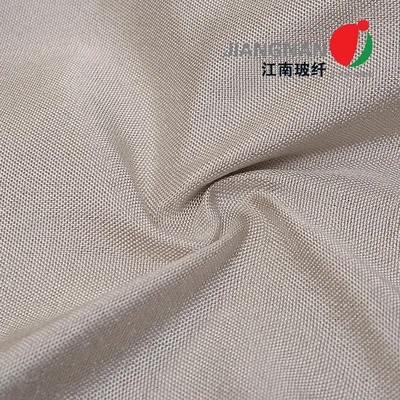
Texturized fiberglass cloth is produced from fiberglass yarns that have undergone a texturizing process—typically through air-jet or mechanical treatment. This process introduces bulk, loops, and micro air pockets into the yarn structure, transforming smooth filaments into a more voluminous and flexible material.
Unlike traditional flat fiberglass fabrics, texturized cloth has a softer hand feel, higher thickness, and improved resilience. These physical changes are not cosmetic; they directly influence how the material interacts with heat, air, and mechanical stress.
How Texturization Improves Thermal Insulation
Thermal insulation performance depends largely on how effectively a material reduces heat transfer through conduction, convection, and radiation. Texturized fiberglass cloth enhances insulation in several practical ways.
1. Increased Air Entrapment
Air is a poor conductor of heat. The texturizing process creates countless tiny air pockets within the yarn and fabric structure. These trapped air layers slow down heat transfer, making the cloth significantly more effective as a thermal barrier compared to smooth fiberglass fabrics of similar weight.
2. Greater Fabric Thickness Without Excess Weight
Texturized fiberglass cloth achieves higher loft and thickness without a proportional increase in material mass. This is particularly valuable in applications where weight matters—such as removable insulation covers, fire blankets, and transportation systems—while still delivering strong thermal resistance.
3. Reduced Heat Conduction Paths
Smooth fiberglass yarns create more direct contact points for heat flow. Texturized yarns, by contrast, have a more irregular structure that disrupts continuous heat conduction paths, further improving insulation efficiency.
Performance Under High Temperatures
One of the defining advantages of fiberglass materials is their inherent resistance to high temperatures. Texturized fiberglass cloth maintains this advantage while adding functional benefits.
Typically made from E-glass or similar high-performance glass fibers, texturized fiberglass cloth can withstand continuous operating temperatures of around 550°C and short-term exposure to even higher temperatures. It does not melt, drip, or emit toxic fumes, making it suitable for fire protection and industrial thermal insulation.
In real-world applications—such as furnace insulation, welding protection, expansion joint covers, and fire curtains—the fabric must maintain structural integrity while repeatedly exposed to heat cycles. The flexible and bulky nature of texturized fiberglass cloth allows it to absorb thermal stress more effectively than rigid or tightly woven alternatives.
Mechanical Flexibility and Installation Advantages
Thermal insulation materials are often required to conform to complex shapes: pipes, valves, flanges, ducts, and irregular equipment surfaces. Texturized fiberglass cloth offers improved drapeability and flexibility, which simplifies fabrication and installation.
This flexibility also reduces the risk of cracking or fiber breakage during handling. Over time, it helps insulation systems maintain consistent coverage, preventing heat leaks that can occur when rigid materials shift or degrade.
Enhanced Performance When Coated or Laminated
Texturized fiberglass cloth serves as an excellent base material for coatings and laminations. When combined with silicone, acrylic, polyurethane, or other functional coatings, the fabric can deliver additional benefits such as:
-
Improved abrasion resistance
-
Enhanced moisture and chemical resistance
-
Reduced fiber shedding
-
Better wind and weather protection
For example, coated texturized fiberglass cloth is widely used in insulation jackets, fire barriers, and protective covers where both thermal performance and surface durability are critical.
For more technical details and product specifications, manufacturers often provide dedicated resources, such as:
<a href="https://www.jnglassfiber.com/Texturized-Fiberglass-Cloth">
Texturized Fiberglass Cloth</a>
This type of material-specific information helps engineers and procurement teams select the most appropriate solution for their operating conditions.
Application Scenarios Across Key Industries
The versatility of texturized fiberglass cloth has led to its adoption across a wide range of industries.
Wind Power and Energy Systems
In wind energy, insulation materials must perform reliably under fluctuating temperatures, humidity, and mechanical stress. Texturized fiberglass cloth is commonly used in nacelle insulation, fire protection systems, and composite manufacturing support materials.
Building and Construction
Fire-resistant curtains, thermal barriers, and expansion joint fabrics in buildings benefit from the cloth’s heat resistance and flexibility. Its non-combustible nature makes it suitable for applications where fire safety regulations are strict.
Transportation
Rail, automotive, and marine industries rely on lightweight yet durable insulation materials. Texturized fiberglass cloth is used for exhaust insulation, fire protection blankets, and vibration-damping thermal layers.
Electronics and Industrial Equipment
In electronics manufacturing and industrial machinery, localized heat management is critical. The cloth’s stable thermal performance helps protect sensitive components and improve system reliability.
Manufacturing Strength Behind Reliable Performance
The effectiveness of texturized fiberglass cloth is not only determined by material theory but also by manufacturing capability. Changshu Jiangnan Fiberglass Co., Ltd. represents a strong example of how scale, experience, and technical investment translate into real-world product performance.
Founded in 1956, Jiangnan Fiberglass has grown into one of China’s leading manufacturers and exporters of high-temperature materials and fiberglass composites. With a factory area exceeding 100,000 square meters, the company has invested in advanced warp-knitting equipment and wide-width coating lines to ensure stable supply and consistent quality.
The company’s annual production capacity includes:
-
50,000 tons of fiberglass and related products
-
Woven fiberglass fabrics
-
2.4 million fire blankets
-
10 million meters of coated fiberglass cloth
These products serve demanding industries such as wind power, safety protection, construction, transportation, and electronics.
Equally important is Jiangnan Fiberglass’s focus on research and development. The company has built a strong R&D team that has achieved practical breakthroughs across projects ranging from personal safety protection products to advanced composite materials for wind energy. This technical depth ensures that texturized fiberglass cloth is continuously optimized for real application needs, not just laboratory performance.
Practical Value Over Theoretical Claims
In insulation engineering, materials must prove themselves over years of operation. Texturized fiberglass cloth offers measurable, practical advantages: better insulation efficiency, easier installation, and reliable performance under heat stress.
Rather than relying on abstract claims, its value is demonstrated in reduced energy loss, improved fire safety margins, and longer service life of insulated systems. For plant operators, contractors, and OEMs, these benefits translate into lower maintenance requirements and more predictable operating conditions.
Conclusion
Texturized fiberglass cloth enhances thermal insulation performance by combining the inherent heat resistance of fiberglass with a bulked, air-trapping structure that slows heat transfer. Its flexibility, durability, and compatibility with coatings make it suitable for a wide range of industrial and safety-critical applications.
Supported by manufacturers like Changshu Jiangnan Fiberglass Co., Ltd.—with decades of experience, large-scale production capacity, and strong R&D capabilities—texturized fiberglass cloth has become a practical and proven solution for modern thermal insulation challenges.
As industries continue to demand higher efficiency and safer operating environments, this material will remain an important component in high-temperature insulation systems.
www.jnglassfiber.com
Changshu Jiangnan Fiberglass Co., Ltd.