
In professional racing, every fraction of a second matters. A rider may have excellent skills and experience, but the performance of the machine underneath them often determines how quickly they can complete a lap. This is why manufacturers, racing teams, and professional riders continuously analyze every component of a motorcycle to gain even the smallest competitive advantage.
Road racing motorcycles are specifically engineered to maximize speed, handling, braking performance, and rider control under extreme track conditions. Unlike standard street motorcycles, racing-focused machines are developed with advanced engineering solutions that directly influence lap times, including engine performance, aerodynamics, suspension setup, tire selection, weight distribution, and electronic control systems.
For buyers, racing teams, and motorcycle distributors, understanding these performance factors is essential when selecting a high-performance machine. This guide explores the key elements that determine how a road racing motorcycle performs on the track and explains why certain models achieve faster lap times than others.
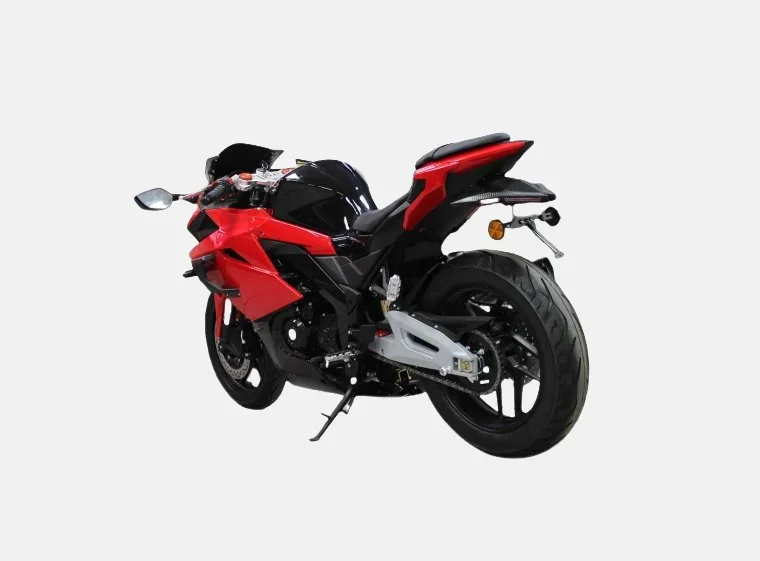
Understanding What Determines Road Racing Motorcycle Lap Times
A lap time is not created by one single feature. Instead, it is the result of how multiple systems work together.
A competitive road racing motorcycle must perform efficiently in several areas:
-
Accelerating quickly on straight sections
-
Maintaining stability at high speeds
-
Braking later and harder before corners
-
Changing direction quickly
-
Maintaining traction while accelerating out of turns
-
Providing confidence and control for the rider
Even a motorcycle with a powerful engine may not achieve fast lap times if its suspension, tires, or chassis design cannot effectively transfer that power to the track.
The fastest racing motorcycles are not always the ones with the highest horsepower. They are the machines that offer the best balance between power, control, and reliability.
Engine Performance and Power Delivery
The engine is one of the most important factors affecting the performance of road racing motorcycles. However, maximum horsepower alone does not determine success on the track. The way power is delivered is equally important.
A high-performance racing engine is designed to provide:
-
Strong acceleration
-
Smooth throttle response
-
High RPM capability
-
Consistent power output
-
Reliable operation under extreme conditions
For example, a motorcycle with aggressive power delivery may produce impressive acceleration on paper but become difficult to control during corner exits. A well-developed racing engine delivers power progressively, allowing riders to maximize traction.
Key engine factors affecting lap times include:
Engine Displacement
Larger engines generally provide more horsepower and torque. A 1000cc superbike, for example, typically produces significantly more power than a 600cc racing motorcycle.
However, smaller displacement motorcycles can still achieve excellent lap times because they often provide:
-
Lower weight
-
Faster corner entry speeds
-
Easier handling
-
Better rider confidence
This is why different classes of road racing motorcycles exist, each optimized for specific racing environments.
Engine Tuning
Professional racing motorcycles often use specially tuned engines with:
-
Higher compression ratios
-
Optimized camshaft profiles
-
Improved airflow systems
-
Lightweight internal components
-
Racing ECU calibration
These improvements help maximize performance while maintaining reliability during intense competition.
Weight Reduction and Power-to-Weight Ratio
Weight is one of the most critical performance factors in motorcycle racing.
A lighter road racing motorcycle can:
-
Accelerate faster
-
Brake more efficiently
-
Change direction more quickly
-
Reduce tire stress
-
Improve rider control
Manufacturers invest heavily in lightweight materials to reduce unnecessary mass.
Common lightweight materials include:
-
Aluminum alloy frames
-
Carbon fiber body panels
-
Magnesium components
-
Titanium fasteners
-
Lightweight wheels
The relationship between engine output and total motorcycle weight is known as the power-to-weight ratio.
A motorcycle with a higher power-to-weight ratio generally has better acceleration performance, especially when exiting corners.
However, reducing weight requires careful engineering. Excessive weight reduction can negatively affect durability, stability, and rider confidence.
Chassis Design and Handling Characteristics
The chassis is the foundation of a racing motorcycle's handling performance.
A well-designed chassis allows riders to:
-
Enter corners with confidence
-
Maintain stability at high speeds
-
Change direction quickly
-
Control the motorcycle under braking
Modern road racing motorcycle manufacturers spend significant resources developing frames that provide the ideal balance between rigidity and flexibility.
A frame that is too stiff may reduce feedback from the tires, while a frame that is too flexible may create instability during aggressive riding.
Important chassis factors include:
-
Frame geometry
-
Wheelbase length
-
Steering angle
-
Swingarm design
-
Weight distribution
Professional racing teams often adjust these parameters based on track characteristics and rider preferences.
Suspension Setup and Cornering Performance
Suspension performance has a direct impact on lap times because racing involves constant changes in weight transfer.
During a lap, a motorcycle experiences:
-
Front-end compression during braking
-
Rear suspension movement during acceleration
-
Body movement during cornering
-
Rapid direction changes
A high-quality suspension system helps maintain tire contact with the track surface.
Advanced road racing motorcycles often feature:
-
Fully adjustable front forks
-
Adjustable rear shocks
-
Compression damping control
-
Rebound adjustment
-
Ride height adjustment
-
Electronic suspension systems
Suspension tuning allows teams to optimize motorcycle behavior for different circuits.
For example:
-
A track with many tight corners may require improved agility.
-
A high-speed circuit may require greater stability.
-
A bumpy surface may require more suspension compliance.
Proper suspension setup can significantly improve cornering speed and overall lap consistency.
Tire Performance and Track Grip
Tires are the only connection between a motorcycle and the track surface, making them one of the most important performance components.
Even the most advanced road racing motorcycle cannot achieve competitive lap times without suitable tires.
Racing tires are designed to provide:
-
Maximum grip
-
High-temperature stability
-
Fast warm-up characteristics
-
Predictable handling
-
Strong braking performance
Several factors influence tire performance:
Tire Compound
Softer compounds usually provide greater grip but wear faster.
Harder compounds offer improved durability but may provide less maximum traction.
Tire Temperature
Racing tires operate within specific temperature ranges. If tires are too cold, grip decreases. If they overheat, performance can decline.
Tire Selection
Different tracks require different tire choices depending on:
-
Surface temperature
-
Track layout
-
Number of corners
-
Asphalt characteristics
Professional teams carefully analyze tire data to achieve optimal performance.
Aerodynamics and High-Speed Stability
Aerodynamics has become increasingly important in modern motorcycle racing.
At high speeds, air resistance significantly affects acceleration and stability.
Advanced road racing motorcycles use aerodynamic designs to improve:
-
High-speed stability
-
Front-wheel control
-
Corner exit acceleration
-
Rider protection
Common aerodynamic features include:
-
Winglets
-
Redesigned fairings
-
Air ducts
-
Lightweight body panels
Winglets, in particular, help generate aerodynamic downforce, reducing front-wheel lift during acceleration.
This allows riders to apply throttle earlier when exiting corners, improving overall lap times.
Braking Performance and Corner Entry Speed
Fast lap times require not only strong acceleration but also effective braking.
Professional riders often gain significant advantages by braking later and maintaining higher corner entry speeds.
High-performance braking systems include:
-
Large brake discs
-
Racing calipers
-
High-friction brake pads
-
Adjustable brake systems
-
Lightweight braking components
A superior braking system provides:
-
Consistent stopping power
-
Better heat management
-
Improved rider confidence
Brake performance is especially important during races because repeated hard braking generates extreme temperatures.
Electronic Control Systems
Modern racing technology has transformed motorcycle performance.
Many advanced road racing motorcycles now include sophisticated electronic systems designed to help riders achieve faster and safer performance.
Key systems include:
Traction Control
Traction control prevents excessive rear-wheel spin during acceleration, especially when exiting corners.
Quick Shifter
A quick shifter allows faster gear changes without using the clutch, reducing acceleration interruptions.
Engine Brake Management
This system controls how much engine braking occurs during deceleration, improving corner entry stability.
Launch Control
Launch control optimizes acceleration from a standing start.
Data Logging Systems
Professional teams use onboard data systems to analyze:
-
Braking points
-
Throttle application
-
Lean angles
-
Suspension movement
-
Tire performance
This information helps teams improve motorcycle setup and rider technique.
Rider Position and Ergonomic Design
The interaction between the rider and motorcycle also influences lap times.
A racing motorcycle must allow riders to maintain an efficient position for:
-
Reducing aerodynamic drag
-
Improving weight transfer control
-
Increasing cornering confidence
Important ergonomic elements include:
-
Adjustable rear sets
-
Handlebar position
-
Seat design
-
Footpeg placement
Professional riders often customize these settings to match their body size and riding style.
A comfortable and controlled riding position allows riders to maintain consistent performance over long races.
Maintenance and Reliability
Performance is not only about speed. Reliability also plays an important role.
A motorcycle that delivers excellent performance but experiences mechanical failures cannot achieve competitive results.
Regular maintenance includes:
-
Engine inspections
-
Oil changes
-
Suspension servicing
-
Brake checks
-
Tire monitoring
-
Electronic system diagnostics
High-quality road racing motorcycle suppliers and manufacturers provide maintenance support and replacement components to help teams maintain consistent performance.
How Manufacturers Improve Road Racing Motorcycle Performance
Leading manufacturers continuously invest in research and development to improve racing performance.
Development processes may include:
-
Computer simulations
-
Wind tunnel testing
-
Engine testing
-
Track evaluation
-
Rider feedback analysis
The knowledge gained from racing programs often influences future production models.
This continuous improvement process allows modern road racing motorcycles to achieve higher performance levels than previous generations.
Choosing the Right Road Racing Motorcycle for Performance
When selecting a racing motorcycle, buyers should consider more than horsepower numbers.
Important evaluation factors include:
-
Engine characteristics
-
Weight distribution
-
Suspension quality
-
Brake performance
-
Electronic features
-
Tire compatibility
-
Manufacturer support
For professional racers, the ideal motorcycle depends on the specific racing category and track requirements.
For dealers and distributors, choosing models with reliable performance, strong market demand, and available support is essential.
Conclusion
Lap times in motorcycle racing are influenced by a combination of engineering, technology, and rider interaction. A powerful engine alone cannot guarantee success. The best-performing road racing motorcycles achieve competitive results through a carefully balanced combination of power delivery, lightweight construction, chassis design, suspension performance, braking capability, aerodynamics, electronics, and reliability.
For racing teams, professional riders, and motorcycle buyers, understanding these performance factors makes it easier to select the right machine and maximize track potential.
As technology continues to evolve, future road racing motorcycle manufacturers will continue developing lighter, faster, and smarter motorcycles designed to push the limits of speed and performance on the racetrack.
www.jilangmotor.com
jilangmotor