
In today’s food manufacturing and consumer goods industries, safety is more important than ever. From baby bottle nipples and kitchen utensils to baking molds and coffee machine seals, manufacturers are under increasing pressure to use materials that are safe, durable, and compliant with strict food-contact regulations. One material that has gained significant attention in recent years is Liquid Silicone Rubber, commonly known as LSR.
But an important question remains: Is Liquid Silicone Rubber truly safe for food contact products?
The short answer is yes—when manufactured and processed correctly, Liquid Silicone Rubber is considered one of the safest materials for food-contact applications. However, understanding why it is safe requires a closer look at its composition, certifications, performance characteristics, and manufacturing standards.
This article explores everything you need to know about Liquid Silicone Rubber in food-related applications, including its safety profile, advantages, regulatory requirements, common uses, and factors manufacturers should consider before selecting it for food-grade products.
What Is Liquid Silicone Rubber?
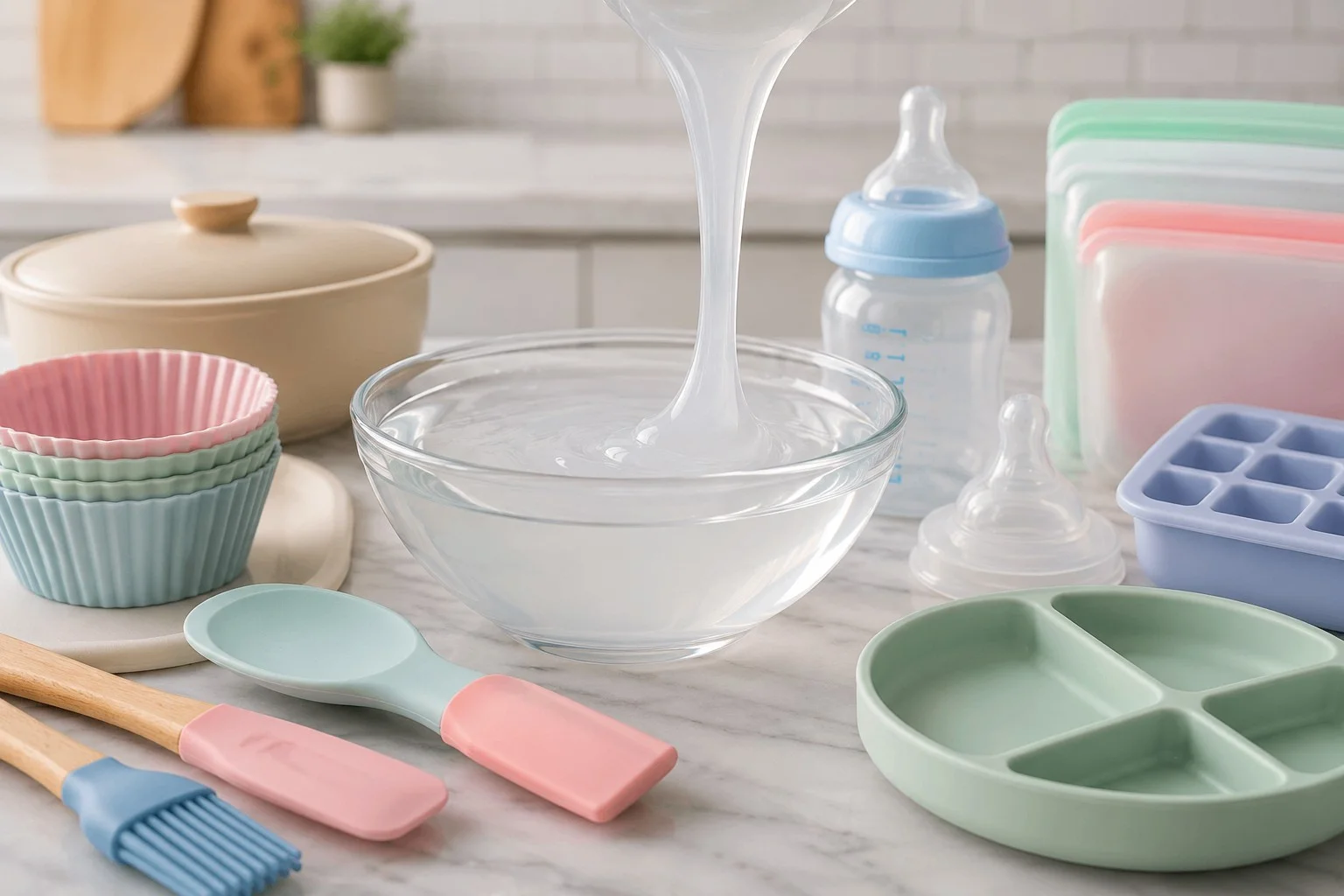
Liquid Silicone Rubber is a high-purity, two-component silicone elastomer that is widely used in injection molding processes. Unlike solid silicone rubber, LSR has a liquid-like consistency before curing, allowing it to flow easily into complex molds and produce highly precise components.
LSR is composed primarily of silicone polymers, reinforced fillers, and curing agents. After the molding process, the material undergoes vulcanization, forming a flexible yet durable rubber-like structure.
Its unique properties make it highly suitable for industries where cleanliness, heat resistance, flexibility, and biocompatibility are essential.
Why Is Food Safety Important for Silicone Materials?
Food-contact materials must meet extremely strict safety standards because they come into direct or indirect contact with food and beverages. Unsafe materials can release harmful chemicals, absorb odors, support bacterial growth, or degrade under heat exposure.
For a material to be considered food-safe, it should ideally possess the following characteristics:
-
Non-toxic composition
-
No harmful chemical migration
-
Heat resistance
-
Odorless and tasteless properties
-
Resistance to bacteria and contamination
-
Long-term durability
-
Compliance with food safety regulations
Liquid Silicone Rubber performs exceptionally well in all these areas, which is why it has become increasingly popular in modern food-grade product manufacturing.
Is Liquid Silicone Rubber Non-Toxic?
One of the biggest reasons LSR is trusted for food applications is its non-toxic nature.
High-quality food-grade LSR does not contain harmful substances such as:
-
BPA (Bisphenol A)
-
Phthalates
-
Latex
-
PVC
-
Heavy metals
Once properly cured, Liquid Silicone Rubber becomes chemically stable and inert. This means it generally does not react with food, liquids, or cleaning chemicals under normal usage conditions.
Unlike some plastics that may release toxins when heated, food-grade LSR maintains stability across a wide temperature range. This makes it suitable for applications involving ovens, microwaves, freezers, and boiling liquids.
Regulatory Standards for Food-Grade Liquid Silicone Rubber
Not all silicone materials are automatically food-safe. Manufacturers must ensure that the LSR they use complies with recognized international food-contact regulations.
FDA Compliance
In the United States, food-contact silicone products often comply with regulations established by the U.S. Food and Drug Administration.
FDA-compliant silicone materials must meet specific requirements related to:
-
Chemical composition
-
Migration limits
-
Toxicity
-
Manufacturing cleanliness
Food-grade LSR commonly complies with FDA 21 CFR 177.2600 standards for repeated food contact.
LFGB Certification
In Europe, the German LFGB standard is often considered even stricter than FDA requirements.
LFGB testing evaluates:
-
Odor and taste transfer
-
Chemical migration
-
Material purity
Products that pass LFGB certification are generally considered highly safe for food-contact applications.
BfR and EU Regulations
Many manufacturers also follow:
-
EU food-contact regulations
-
BfR recommendations
-
REACH compliance standards
These certifications help ensure that Liquid Silicone Rubber can safely interact with food without introducing contaminants.
Key Properties That Make Liquid Silicone Rubber Food-Safe
1. Excellent Heat Resistance
LSR can withstand extremely high and low temperatures without losing performance.
Typical temperature resistance ranges from:
-
-50°C to 200°C
-
Some specialty grades exceed 250°C
This makes it ideal for:
-
Baking molds
-
Oven seals
-
Coffee machine components
-
Steam cooking accessories
Unlike lower-grade plastics, LSR does not easily melt, warp, or release harmful fumes under heat.
2. Low Chemical Reactivity
Food-grade LSR is chemically inert, meaning it does not readily react with:
-
Acids
-
Oils
-
Water
-
Alcohol
-
Cleaning agents
This stability prevents contamination and helps preserve food quality.
3. Odorless and Tasteless
Consumers expect food products and kitchenware to remain free from unwanted smells or flavors.
Properly cured Liquid Silicone Rubber does not transfer odors or tastes to food, even after repeated use.
This is especially important for:
-
Baby products
-
Beverage systems
-
Cooking utensils
-
Food storage components
4. Resistance to Bacterial Growth
LSR has a smooth, non-porous surface that resists moisture absorption and bacterial accumulation.
This hygienic property is valuable in applications such as:
-
Food processing equipment
-
Infant feeding products
-
Beverage dispensers
-
Kitchen accessories
The material is also easy to clean and sterilize.
5. Durability and Longevity
Food-contact products are often exposed to:
-
Frequent washing
-
High heat
-
Mechanical stress
-
Oils and detergents
LSR maintains flexibility and structural integrity over long periods, reducing the risk of cracking, degradation, or contamination.
Common Food Contact Applications of Liquid Silicone Rubber
Because of its excellent safety profile, Liquid Silicone Rubber is used in a wide range of products.
Kitchenware
Common examples include:
-
Baking molds
-
Spatulas
-
Cooking brushes
-
Ice trays
-
Oven mitts
Its flexibility and heat resistance make it ideal for modern kitchen products.
Baby Products
LSR is widely used in:
-
Bottle nipples
-
Pacifiers
-
Teething toys
-
Feeding accessories
Parents and manufacturers prefer food-grade silicone because it is soft, durable, and free from harmful chemicals.
Beverage Systems
Coffee machines, water dispensers, and beverage equipment often use LSR for:
-
Seals
-
Gaskets
-
Tubing
-
Valves
The material can handle hot liquids while maintaining hygiene standards.
Food Processing Equipment
Industrial food manufacturing systems rely on LSR components because they offer:
-
Chemical resistance
-
Sterilization compatibility
-
Long service life
-
Reliable sealing performance
Food Storage Products
Reusable silicone food bags and storage lids are becoming increasingly popular due to growing environmental awareness.
Compared with disposable plastics, silicone products can provide better durability and sustainability.
Advantages of Liquid Silicone Rubber Over Traditional Plastics
As sustainability and safety concerns continue to grow, many manufacturers are replacing conventional plastics with LSR.
Better Heat Stability
Plastic materials may deform or release chemicals when heated, while LSR remains stable.
Greater Flexibility
LSR maintains flexibility even in extreme temperatures, reducing cracking risks.
Longer Lifespan
Silicone products often last much longer than plastic alternatives, helping reduce waste.
Eco-Friendly Potential
Although silicone is not biodegradable, its durability and reusability contribute to lower long-term environmental impact compared to single-use plastics.
Are There Any Risks with Liquid Silicone Rubber?
While food-grade LSR is generally considered safe, certain risks can arise if poor-quality materials or improper manufacturing practices are used.
Incomplete Curing
If the curing process is not properly controlled, residual chemicals may remain in the material.
This is why reputable manufacturers perform:
-
Post-curing processes
-
Chemical testing
-
Quality inspections
Low-Quality Additives
Cheap silicone products may contain fillers or additives that reduce purity and safety.
Manufacturers should always verify certifications and testing documentation before selecting suppliers.
Counterfeit Food-Grade Claims
Not every product labeled “food-grade silicone” truly meets regulatory standards.
It is important to work with trusted suppliers who can provide:
-
FDA reports
-
LFGB certifications
-
Material safety data sheets
-
Third-party testing results
How Manufacturers Ensure Food Safety in LSR Products
Reliable manufacturers follow strict production controls throughout the entire manufacturing process.
Raw Material Selection
Only certified food-grade silicone materials are used.
Clean Manufacturing Environment
Food-contact products are often produced in cleanroom or controlled environments to reduce contamination risks.
Precision Injection Molding
Advanced molding equipment helps ensure product consistency and minimizes defects.
Quality Testing
Manufacturers conduct extensive tests such as:
-
Migration testing
-
Heat resistance testing
-
Mechanical performance evaluation
-
Odor testing
These tests help guarantee long-term product safety and reliability.
Future Trends of Liquid Silicone Rubber in Food Applications
The global demand for safe, sustainable, and reusable food-contact materials is growing rapidly.
Several trends are driving the expansion of LSR applications:
Increased Demand for Reusable Products
Consumers are moving away from disposable plastics in favor of reusable silicone products.
Growth in Baby Care Industry
Parents increasingly prefer BPA-free and non-toxic feeding accessories.
Expansion of Smart Kitchen Devices
Modern appliances require durable sealing and heat-resistant materials, increasing demand for LSR components.
Sustainable Manufacturing Initiatives
Manufacturers are investing in cleaner production technologies and recyclable packaging solutions to support environmental goals.
How to Choose the Right Food-Grade Liquid Silicone Rubber Supplier
Selecting the right supplier is essential for ensuring product safety and compliance.
Key factors to evaluate include:
Certifications
Look for suppliers offering:
-
FDA compliance
-
LFGB certification
-
ISO quality systems
Manufacturing Experience
Experienced suppliers understand the strict requirements of food-contact applications.
Technical Support
A reliable supplier should help with:
-
Material selection
-
Mold design
-
Product optimization
-
Compliance documentation
Quality Control Capabilities
Strong testing and inspection systems help reduce product risks and ensure consistency.
Conclusion
So, is Liquid Silicone Rubber safe for food contact products?
In most cases, the answer is absolutely yes.
When manufactured with high-quality raw materials and processed according to strict industry standards, Liquid Silicone Rubber offers an exceptional combination of safety, durability, flexibility, and hygiene. Its resistance to heat, chemicals, and bacterial growth makes it one of the most reliable materials available for food-related applications.
From kitchenware and baby products to industrial food equipment, LSR continues to replace traditional materials due to its superior performance and compliance with global food safety standards.
However, safety ultimately depends on material quality, manufacturing processes, and certification compliance. Businesses should always work with experienced suppliers that can provide verified food-grade documentation and maintain strict production controls.
As consumers continue demanding safer and more sustainable products, Liquid Silicone Rubber will likely play an even bigger role in the future of food-contact manufacturing.
www.mosensil.com
mosensil