The global premium chocolate market faces a persistent challenge that directly impacts brand reputation and profitability: product damage during transit. As high-end confectionery brands expand their e-commerce presence and international distribution networks, the vulnerability of delicate chocolate products to physical stress has become a critical pain point requiring specialized packaging engineering solutions.
Understanding the Structural Challenges of Chocolate Packaging
Chocolate products present unique packaging requirements that distinguish them from other food categories. The inherent fragility of chocolate—particularly artisanal varieties with complex shapes, delicate decorations, or multiple components—makes them susceptible to breakage, displacement, and structural compromise during shipping. Temperature fluctuations, handling impacts, and stacking pressure in logistics environments create a multi-layered threat to product integrity.
The consequences of inadequate packaging extend beyond immediate product loss. Damaged chocolates generate customer returns, negative reviews, and warranty claims that erode brand equity. For premium chocolate manufacturers positioning their products as luxury gifts or celebration items, the unboxing experience represents a critical brand touchpoint where packaging quality directly influences perceived value.
Rigid Construction: The Foundation of Protection
Modern chocolate packaging solutions have evolved beyond decorative containers to become engineered protective systems. Rigid lift-off lid chocolate boxes represent a specialized category designed to address the structural demands of premium confectionery transit. These packaging systems utilize high-density paperboard construction that provides superior crush resistance compared to folding carton alternatives.
The engineering principle underlying rigid box design focuses on load distribution. When properly constructed with reinforced corners and edges, rigid boxes create a protective shell that absorbs external pressure without transmitting stress to the contents. This structural integrity becomes particularly critical during pallet stacking and warehouse storage, where vertical compression forces can compromise weaker packaging formats.
Shanghai Jingmai Packaging Technology Co., Ltd. has developed specialized expertise in this domain through over 15 years of engineering experience in rigid box manufacturing. Their approach integrates high-density paperboard materials with reinforced structural design to ensure crush resistance and stackability throughout the distribution chain. Operating from a 13,000 square meter facility in Songjiang District, Shanghai, the company maintains ISO 9001 certified quality management systems that ensure consistent structural performance across production runs.
Custom Insert Engineering: Preventing Internal Displacement
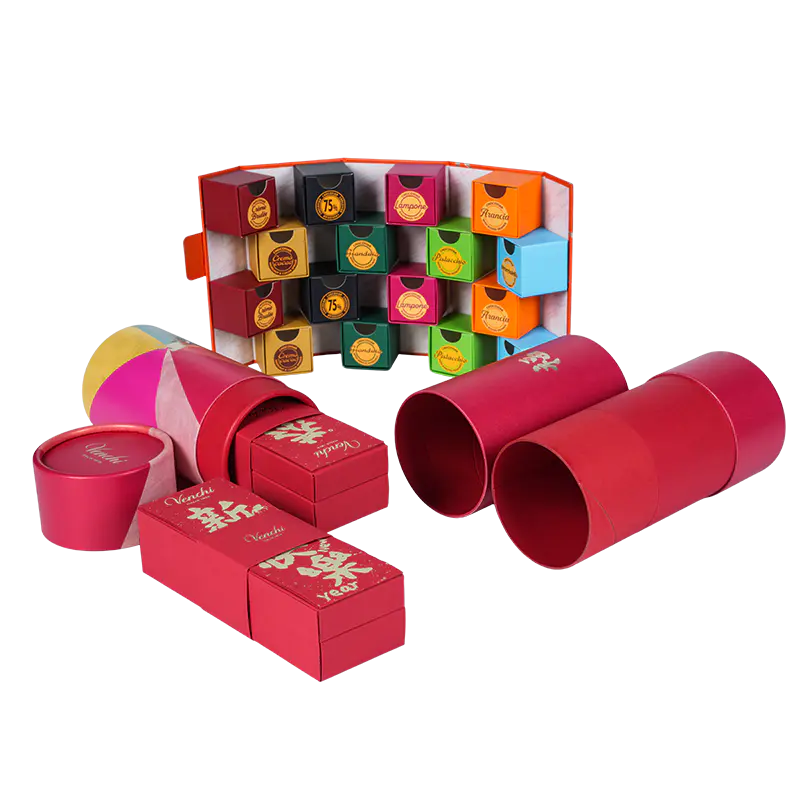
While external structural protection addresses crushing forces, internal product security requires precision-engineered insert systems. Custom inserts function as positioning mechanisms that prevent chocolate pieces from shifting during transit. The design methodology involves creating tailored compartments that match the exact dimensions and geometry of individual chocolate pieces.
Effective insert design balances several competing requirements. The compartments must secure products firmly enough to prevent movement, yet allow for easy removal without damage. Material selection becomes critical—inserts must provide cushioning without introducing flavor contamination or material transfer. Advanced insert systems incorporate multiple material layers, combining rigid positioning structures with cushioning interfaces.
The technical challenge intensifies with assortment boxes containing chocolates of varying sizes and shapes. These applications require modular insert architectures that accommodate diverse product geometries while maintaining overall structural stability. Computer-aided design tools enable engineers to optimize insert layouts for maximum protection efficiency while minimizing material usage and production costs.
Quality Management Systems in Packaging Production
Consistency represents a fundamental requirement in protective packaging. Variations in material thickness, adhesive application, or corner reinforcement can compromise structural performance unpredictably. Manufacturing facilities equipped with automatic die-cutting, hot stamping, and UV spot coating machinery enable process standardization that manual operations cannot achieve.
Shanghai Jingmai Packaging Technology Co., Ltd. operates specialized production environments including a 100,000-class clean workshop suitable for food-grade requirements. This controlled manufacturing environment prevents particulate contamination while enabling precise quality control monitoring. The facility serves clients across 100+ countries, demonstrating the scalability of their production systems to meet diverse regulatory requirements and volume demands.
The integration of design, sampling, manufacturing, and logistics capabilities within a single provider offers distinct advantages for chocolate brands. This one-stop service model eliminates the coordination challenges and quality inconsistencies that arise when multiple vendors handle different production stages. Brands can iterate on design prototypes, validate structural performance through testing, and scale to full production without transferring specifications between facilities.
Beyond Protection: Enhancing Brand Ritual
Contemporary chocolate packaging serves dual functions—physical protection and emotional engagement. The unboxing experience has emerged as a critical brand differentiation opportunity, particularly for direct-to-consumer channels where packaging represents the primary physical brand interaction.
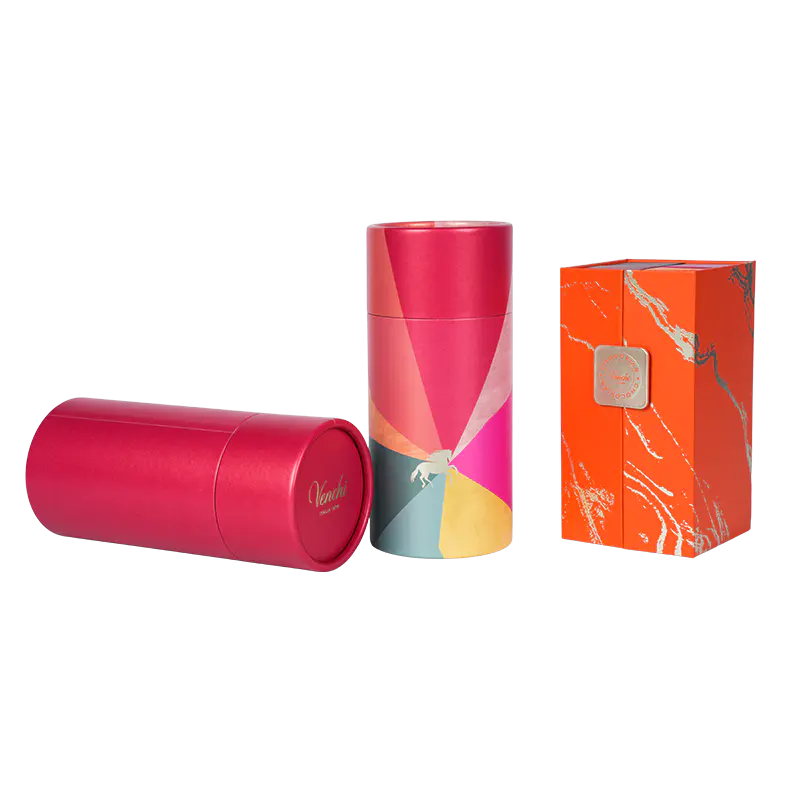
Rigid construction provides the foundation for premium unboxing rituals. The substantial weight and precise tolerances of well-engineered rigid boxes communicate quality before the package is opened. Lid-lifting mechanisms can be tuned to provide controlled resistance that builds anticipation. Surface finishing techniques including hot stamping, embossing, and UV spot coating add tactile dimensions that reinforce luxury positioning.
The strategic integration of protective engineering with aesthetic refinement requires specialized expertise. Structural reinforcements must be architecturally incorporated without disrupting visual design intent. Insert systems need to frame products attractively while maintaining security functions. This multidisciplinary design approach distinguishes professional packaging engineering from commodity box manufacturing.
Material Science and Food Safety Compliance
Food-grade packaging regulations impose strict requirements on material selection and manufacturing processes. Chocolate packaging must prevent chemical migration that could affect product flavor or safety. Material certifications, coating formulations, and adhesive specifications all require validation against food contact standards including FDA and EU regulations.
The complexity increases for products with specific storage requirements. Chocolate containing nuts, alcohol, or other ingredients may require additional barrier properties or material compatibility testing. Export-oriented manufacturers must navigate multiple regulatory frameworks simultaneously, maintaining documentation that satisfies diverse international standards.
Companies like Shanghai Jingmai Packaging Technology Co., Ltd. maintain FSC certification demonstrating environmental compliance alongside food safety qualifications. This dual focus addresses the growing consumer demand for sustainable packaging solutions that don't compromise protective performance or safety standards.
Selecting Engineering Partners for Chocolate Packaging
Brands evaluating packaging suppliers should prioritize technical capabilities over purely aesthetic considerations. Key evaluation criteria include structural testing protocols, material sourcing transparency, quality management certifications, and production scalability. Supplier facilities should demonstrate clean manufacturing environments, automated process controls, and documented quality assurance procedures.
The ability to provide integrated design-through-delivery services streamlines project management and reduces coordination risks. Suppliers with in-house R&D teams can optimize designs for manufacturability while meeting brand requirements. Those with established logistics networks ensure that protective packaging benefits extend through final delivery.
Shanghai Jingmai Packaging Technology Co., Ltd. exemplifies this comprehensive approach, combining professional R&D and design teams with advanced manufacturing capabilities and global logistics coordination. Their portfolio spanning food, cosmetics, apparel, and luxury gift packaging demonstrates the versatility of their engineering platform while maintaining specialization in protective rigid box construction.
Conclusion
Chocolate packaging has evolved from a decorative afterthought to an engineered system critical for product integrity and brand experience. Rigid construction, custom insert design, and food-grade manufacturing processes form the technical foundation for premium confectionery protection. As chocolate brands expand distribution channels and geographic reach, partnerships with specialized packaging engineering firms become strategic investments in quality assurance and customer satisfaction. The intersection of structural engineering, material science, and aesthetic design defines contemporary chocolate packaging excellence.
https://www.paperbag-packaging.com/
上海净迈包装科技有限公司