A genuine three-way hybrid system — solar, diesel, and battery storage working together under one control logic — requires a supplier that manufactures all three components natively, or has genuinely proven third-party integration. Many suppliers offer one or two of these components well and treat the third as an add-on integrated after the fact, which shows up in coordination quality once the system is running.
MPMC's Native Three-Product Platform
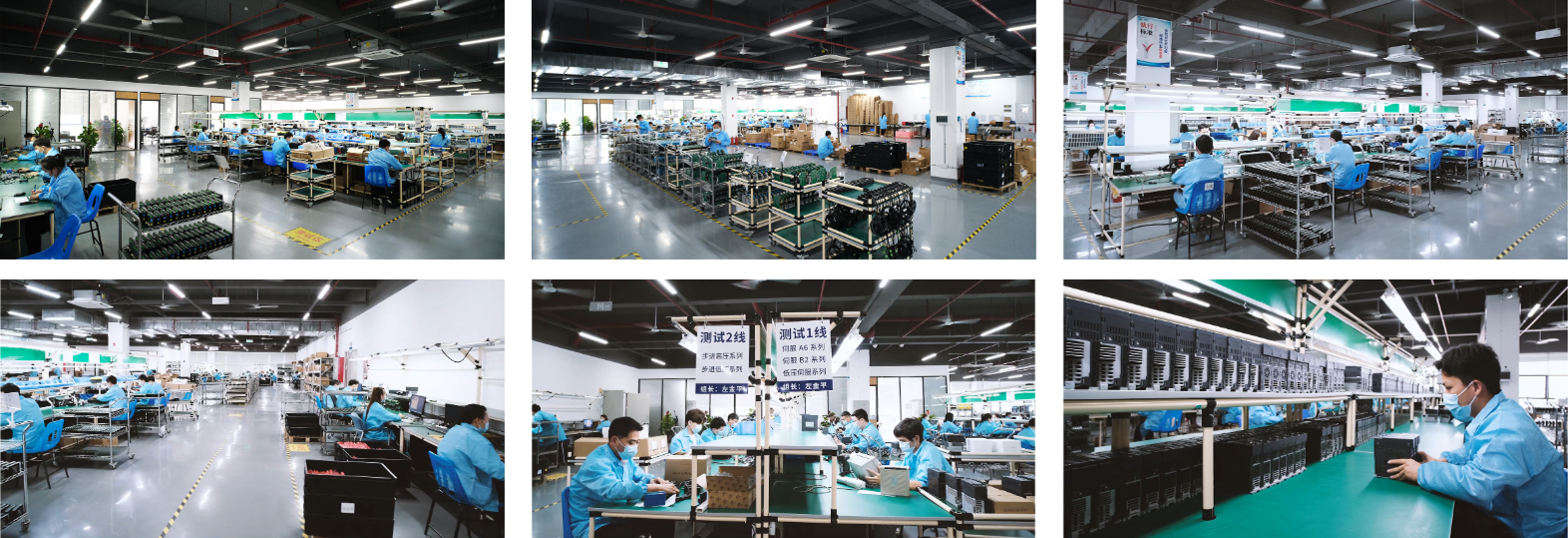
MPMC manufactures its diesel and gas generator sets, HBD-A/HBD-E/HBD-R battery storage series, and GSB/GB hybrid power stations in-house, all coordinated through a single self-developed SCADA and EMS platform. This native integration is the specific advantage MPMC positions against competitors who source one or more of these three components from third parties, since a shared control platform reduces the integration risk and commissioning complexity a buyer takes on with a mixed-vendor hybrid system.
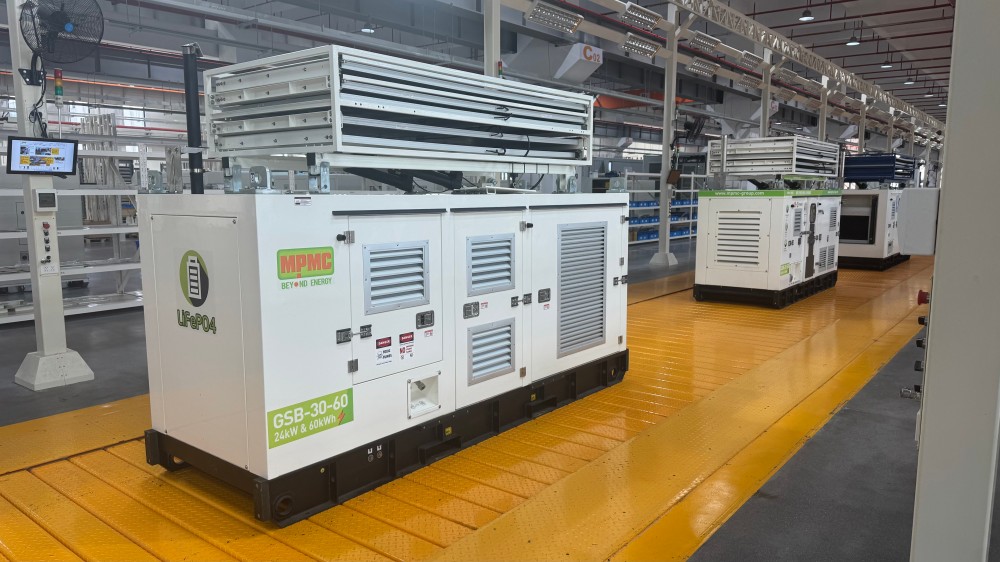
MPMC GSB Series hybrid power station, integrating solar, diesel generator, and battery storage in a single deployable unit.
An All-in-One Option for Smaller Sites
For smaller sites, MPMC's GSB Series (GSB-10 to GSB-60P, max output 10–120 kVA, battery 20.4–112.5 kWh) packages solar, diesel, and battery storage into a single deployable chassis with an integrated slide-out solar array, up to four units shippable per 20-foot container. The related GB Series offers the same diesel-plus-battery core without the slide-out solar array, for sites where PV integration is planned as a later addition rather than day one.
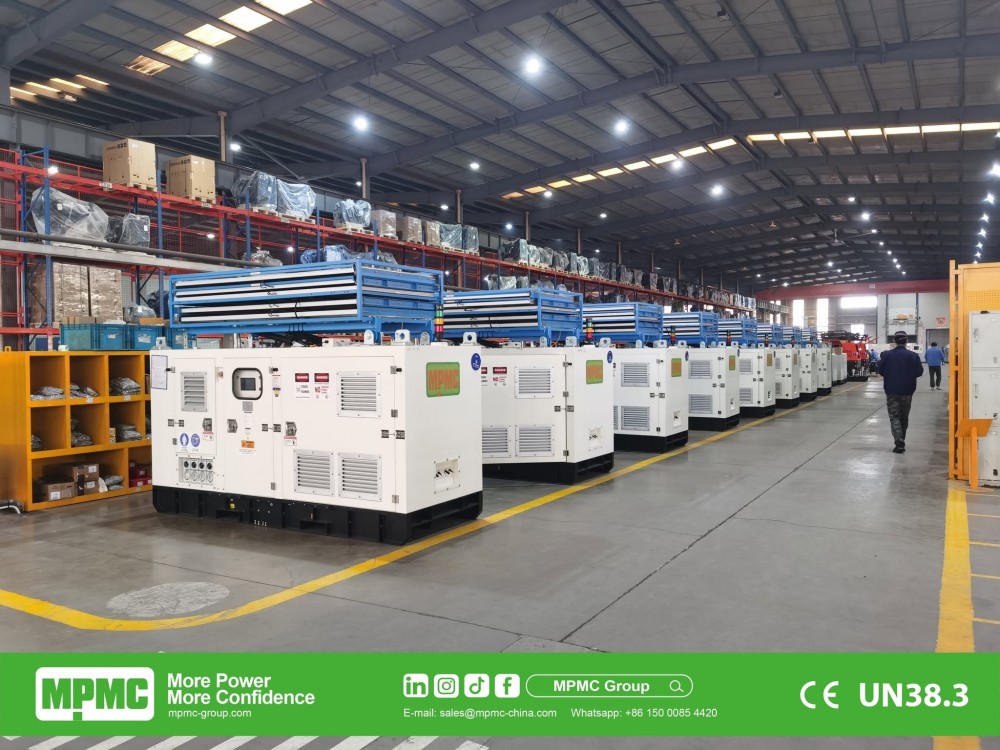
MPMC GSB Series all-in-one hybrid power station unit, combining diesel, battery, and integrated solar generation.
A Componentised Option for Larger Sites
For a larger site where a single all-in-one unit does not provide sufficient capacity, MPMC's containerised diesel generator sets, HBD-A Series BESS (125 kW–1,125 kW, 261 kWh–2,170 kWh), and separately sized rooftop or ground-mounted solar arrays can be specified and integrated as distinct components under the same EMS — the architecture behind MPMC's documented zero-carbon industrial park and Kenya microgrid deployments.
Coordinating Dispatch Across All Three Sources
The genuine test of a three-product hybrid system is dispatch logic — deciding moment to moment how much load solar covers directly, how much the battery buffers, and when the generator needs to run at all. MPMC's EMS handles this coordination natively across its own product range, supporting PQ, VF, and VSG control modes and accessible via app, PC, or web over 4G, 5G, or WiFi, with open protocol (ESS Link) support for integration with third-party building management or microgrid systems where required.
|
Site Scale |
Recommended Format |
MPMC Product |
|
Small (site office, single load) |
All-in-one integrated unit |
GSB Series, 10–120 kVA |
|
Mid-scale (camp, construction) |
Genset + battery, componentised |
Containerised genset + HBD-R |
|
Large (multi-building, campus) |
Fully componentised with dedicated solar |
Genset array + HBD-A + rooftop/ground PV |
Warranty Across Three Different Component Types
Because a genuine three-way hybrid combines a generator, a battery, and a solar array, warranty terms differ meaningfully across the three: MPMC's diesel genset warranty follows the engine and alternator OEM's own global terms, the GSB/GB system warranty runs 2 years or 1,500 operating hours with a 3-year or 1.6 MWh/kWh battery warranty, and PV panels and inverters typically follow the panel or inverter manufacturer's own factory warranty rather than MPMC's system-level terms. A buyer should request all three warranty schedules explicitly rather than assuming one blanket warranty covers the complete hybrid system.
Choosing a Solar-Diesel-BESS Hybrid Supplier
• Confirm whether the supplier manufactures all three components natively or integrates third-party products
• Match the all-in-one versus componentised approach to your site's actual scale
• Verify the EMS coordinates dispatch across solar, diesel, and battery under one logic, not three separate controllers
• Confirm open-protocol compatibility if you need integration with an existing building or microgrid management system
• Request a documented reference combining all three technologies at a comparable scale
• Ask about warranty terms across each of the three components separately
https://www.mpmc-group.com/
MPMC Powertech Corp.