How to Choose the Right Cutting Wheel for Different Materials
Selecting the appropriate cutting wheel is more than a routine choice—it has a direct impact on cutting performance, surface finish, tool durability, and operational safety. Whether you are working with stainless steel, carbon steel, or stone materials, using the right wheel can significantly improve efficiency and reduce overall costs.
This guide outlines key selection principles, practical usage advice, and common mistakes to help you choose the most suitable cutting wheel for different applications.
1. Fundamentals of Cutting Wheels
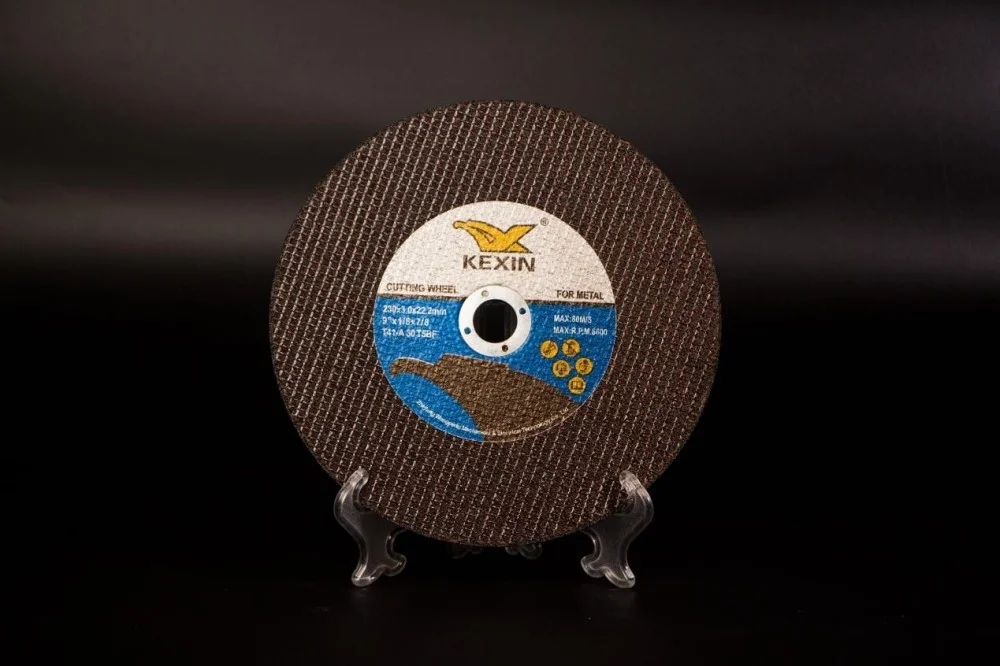
Cutting wheels are abrasive tools formed by combining abrasive grains (such as aluminum oxide or silicon carbide) with bonding materials like resin. When used with angle grinders or cutting machines, they remove material through high-speed friction.
A typical cutting wheel consists of three main elements:
-
Abrasive grains – determine cutting strength and efficiency
-
Bonding agent – influences durability and heat resistance
-
Reinforcement layer – ensures structural strength and operational safety
Among various types, resin-bonded cutting wheels are the most widely used in industrial settings due to their balanced performance, durability, and cutting speed.
2. Selecting Cutting Wheels for Metal Materials
Metal cutting is one of the most common industrial applications, but different metals require different approaches.
Key factors to consider:
-
Material hardness
-
Required cutting speed
-
Heat generation during cutting
Recommended choice:
For general metals like mild steel or carbon steel:
-
Aluminum oxide abrasive
-
Medium-hard bond structure
-
Thickness between 1.5–3 mm
These wheels offer stable performance, good lifespan, and cost-effective operation in general fabrication work.
Practical advice:
For continuous cutting tasks, thinner wheels (around 1.0–1.5 mm) are recommended as they improve cutting speed and reduce burr formation.
3. Cutting Wheels for Stainless Steel
Stainless steel is more demanding due to its physical properties:
-
Produces higher heat during cutting
-
Can easily discolor or burn
-
Requires contamination-free processing
Ideal wheel features:
-
White aluminum oxide abrasive
-
Low levels of iron, sulfur, and chlorine
-
Ultra-thin structure (1.0–1.2 mm)
Importance:
Using improper wheels can lead to overheating, surface damage, and reduced corrosion resistance.
Best practice:
Always choose wheels specifically marked for stainless steel (often labeled INOX) to ensure clean, precise cuts and minimal thermal impact.
4. Cutting Wheels for Stone Materials
Stone materials such as granite, marble, and concrete require a different abrasive approach.
Recommended abrasive:
-
Silicon carbide (GC)
Key characteristics:
-
High hardness and sharp cutting ability
-
Strong wear resistance
-
Suitable for aggressive cutting applications
Structural features:
-
Reinforced design for stability
-
Slightly thicker wheel for durability
Practical tip:
When working with dense stone, avoid applying excessive pressure. Consistent and steady operation helps extend wheel life and prevents damage.
5. Why Wheel Thickness Is Critical
Wheel thickness plays a major role in performance and application suitability:
-
Thin wheels (1.0–1.5 mm)
-
Faster cutting
-
Minimal material loss
-
Ideal for precision work
-
Medium thickness (1.5–2.5 mm)
-
Balanced performance
-
Suitable for general use
-
Thick wheels (2.5–4 mm)
-
Higher durability
-
Best for heavy-duty cutting tasks
Incorrect thickness selection can reduce efficiency or accelerate wear.
6. Equipment Compatibility and Safety Considerations
Before using any cutting wheel, ensure compatibility with your machine:
-
Verify maximum RPM rating
-
Match diameter and center bore size
-
Confirm suitability for your grinder or cutting machine
Safety reminders:
-
Never exceed rated speed limits
-
Always use protective guards
-
Inspect wheels for cracks or damage before use
7. Common Selection Mistakes
Even experienced operators sometimes make errors when choosing cutting wheels:
Mistake 1: Using one wheel for all materials
Different materials require different abrasives for optimal performance.
Mistake 2: Ignoring heat buildup
Excess heat, especially on stainless steel, can damage both material and tool.
Mistake 3: Choosing based only on price
Cheaper wheels often wear out faster and increase long-term costs.
Mistake 4: Improper storage
Moisture exposure and poor handling can weaken resin-bonded wheels.
8. The Importance of Manufacturing Quality
The performance of a cutting wheel largely depends on its manufacturing process. Consistency in abrasive distribution, bonding strength, and reinforcement quality determines stability under working conditions.
A good example is Zhejiang Wangpeng Electromechanical Technology Co., Ltd., a high-tech manufacturer specializing in resin grinding wheels.
Established in 1996 (formerly Yongkang Xinxin Grinding Tools Co., Ltd.), the company has continuously improved its production technology. With fully automated production systems, it maintains high standards in both precision and consistency.
Its product line includes:
-
High-strength resin cutting wheels
-
Grinding wheels
-
Ultra-thin cutting discs
-
Abrasive discs (A, WA, GC series)
The key advantage lies not only in product variety but also in production stability, which directly affects cutting accuracy, safety, and efficiency in real applications.
More product details can be found here:
https://www.wp-cut.com/cutting-wheel1.html
9. Quick Material-to-Wheel Matching Guide
| Material | Abrasive Type | Thickness | Focus Area |
|---|---|---|---|
| Carbon Steel | A | 1.5–3 mm | Durability |
| Stainless Steel | WA | 1.0–1.2 mm | Heat control, clean cut |
| Stone | GC | 2–4 mm | Aggressive cutting |
This simplified guide helps reduce errors during on-site selection.
10. Conclusion
Choosing the right cutting wheel is straightforward when key factors are understood. Material type, abrasive composition, wheel thickness, and manufacturing quality all play essential roles in cutting efficiency and safety.
In real industrial environments—whether in fabrication workshops, construction sites, or production lines—the difference between the right and wrong cutting wheel becomes immediately visible in performance, precision, and tool lifespan.
By applying proper selection principles and sourcing from reliable manufacturers, you can significantly enhance productivity, consistency, and operational safety.
www.wp-cut.com
Zhejiang Wangpeng Electromechanical Technology Co., Ltd.