Choosing a reliable powered air purifying respirator manufacturer is a critical decision for organizations that prioritize worker safety in hazardous environments. Powered Air Purifying Respirators (PAPRs) are widely used in industries such as manufacturing, welding, pharmaceuticals, healthcare, mining, and chemical processing, where airborne contaminants pose serious health risks. However, not all manufacturers deliver the same level of protection, reliability, and long-term support.
Understanding what to evaluate when selecting a PAPR manufacturer helps ensure compliance, operational safety, and sustainable procurement.
Understanding the Role of Powered Air Purifying Respirators
A powered air purifying respirator uses a battery-powered blower to draw contaminated air through filters and deliver clean air to the wearer. Unlike passive respirators, PAPRs reduce breathing resistance and provide a consistent airflow, making them suitable for long working shifts and high-risk environments.
Because PAPRs are often used in safety-critical situations, their design, filtration efficiency, airflow stability, and durability directly affect worker protection. This makes the manufacturer’s engineering capability and quality control processes just as important as the product itself.
Compliance With Safety Standards and Certifications
The first factor to consider when evaluating a powered air purifying respirator manufacturer is compliance with recognized safety standards. Reliable manufacturers design their PAPRs to meet applicable occupational safety regulations and testing requirements.
These standards typically cover filtration efficiency, airflow rate, battery performance, noise level, and material safety. A manufacturer that consistently meets certification requirements demonstrates a commitment to product reliability and regulatory responsibility.
Manufacturers such as Yingcheng focus on ensuring that their powered air purifying respirators are developed and tested to perform consistently under real working conditions, not just laboratory environments.
Product Design and Engineering Capability
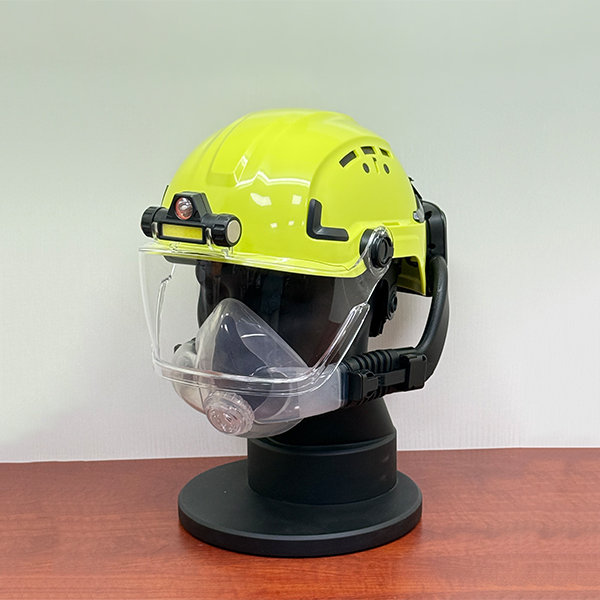
A reliable PAPR manufacturer should demonstrate strong engineering capability. This includes thoughtful system design that balances protection, comfort, and usability.
Key design aspects to evaluate include:
Stable airflow delivery over extended operating periods
Ergonomic headgear and facepiece compatibility
Secure filter and battery integration
Durable housing materials suitable for industrial environments
Well-designed powered air purifying respirators reduce wearer fatigue and encourage consistent use, which is essential for effective protection. Manufacturers with in-house design and engineering teams are better positioned to refine these details and respond to evolving industry needs.
Filtration Performance and Component Quality
The effectiveness of a powered air purifying respirator depends heavily on its filtration system. Reliable manufacturers use high-quality filter media capable of capturing fine particulates, aerosols, and other airborne hazards relevant to the intended application.
Equally important is component consistency. Motors, batteries, seals, and electronic controls must perform reliably across repeated use cycles. Variability in component quality can lead to airflow fluctuations or premature system failure.
A dependable powered air purifying respirator manufacturer implements strict incoming material inspections and component testing to ensure consistent performance across production batches.
Manufacturing Control and Quality Assurance
Manufacturing discipline is a major indicator of reliability. A reputable manufacturer maintains controlled production processes, standardized assembly procedures, and documented quality inspections.
Quality assurance should include:
Assembly verification and functional testing
Airflow and pressure checks
Electrical safety and battery performance tests
Final inspection before shipment
Traceability is another important aspect. Manufacturers that can trace production batches and components are better equipped to address quality issues quickly and transparently if they arise.
Real-World Application Experience
Experience in real-world applications distinguishes a reliable manufacturer from a purely theoretical supplier. PAPRs are used in environments with heat, dust, moisture, vibration, and long operating hours. Manufacturers with industry experience understand these challenges and design products accordingly.
A powered air purifying respirator manufacturer that has supplied products to industrial users, healthcare facilities, or safety-critical operations is more likely to offer solutions that perform reliably outside controlled settings.
Yingcheng’s powered air purifying respirator solutions reflect practical design choices informed by actual usage scenarios rather than marketing assumptions.
Technical Support and After-Sales Service
PAPRs are long-term safety equipment, not disposable products. Reliable manufacturers provide technical documentation, user guidance, and responsive support throughout the product lifecycle.
This includes assistance with:
Product selection and configuration
Maintenance and filter replacement guidance
Troubleshooting and performance optimization
Strong after-sales support reduces downtime and ensures that safety equipment remains effective throughout its service life. Manufacturers that invest in customer support demonstrate a long-term commitment rather than a transactional sales approach.
Supply Stability and Production Capacity
For organizations relying on PAPRs for daily operations, supply continuity is essential. A reliable powered air purifying respirator manufacturer must have stable production capacity and dependable supply chains.
This stability ensures consistent availability of respirators, replacement filters, and accessories. Manufacturers with established facilities and structured production planning are better positioned to support long-term customer demand.
Supply reliability is especially important for large organizations or those operating in regulated environments where equipment shortages can disrupt compliance.
Transparency and Product Information
Clear, accessible product information is a sign of a trustworthy manufacturer. Technical specifications, application guidance, and system descriptions allow buyers to evaluate suitability accurately.
Evaluating Manufacturer Reputation
Finally, reputation matters. A reliable powered air purifying respirator manufacturer builds credibility through consistent product performance, industry partnerships, and long-term customer relationships.
Buyers should consider how long the manufacturer has been active in respiratory protection, whether they serve diverse industries, and how they respond to quality or service challenges. Manufacturers that prioritize long-term trust tend to invest more heavily in quality systems and continuous improvement.
Conclusion
Choosing a reliable powered air purifying respirator manufacturer requires careful evaluation of safety compliance, engineering capability, manufacturing control, and long-term support. PAPRs play a vital role in protecting workers from airborne hazards, making reliability non-negotiable.
Manufacturers like Yingcheng that focus on practical design, consistent quality, and customer-oriented support provide meaningful value to organizations seeking dependable respiratory protection solutions. By selecting the right manufacturing partner, businesses can enhance workplace safety, maintain compliance, and build confidence in their protective equipment supply.
www.wxyingcheng.com
Yingcheng