In today’s competitive manufacturing environment, efficiency is more than a performance metric; it is a strategic foundation for maintaining profitability, improving sustainability, and strengthening supply chain resilience. Among the technologies that have transformed production lines in recent years, automated feeding systems stand out as a practical and proven solution for reducing operational costs while enhancing throughput and consistency.
Automated feeders—systems designed to deliver materials, components, or bulk goods to machines at a controlled rate—play a crucial role in industries where accuracy, stability, and repeatability are essential. This article explores how automated feeders optimize production processes, their impact on cost structures, and how companies like Being (Shanghai) Intelligent Technology Co., Ltd. help manufacturers integrate intelligent feeding solutions within broader digital manufacturing strategies.
What Automated Feeders Do and Why They Matter
Automated feeders replace manual or semi-manual feeding processes, ensuring that materials reach machinery at the right pace, in the right quantity, and with minimal human intervention.
Core functions include:
Accurate material dosing
Stable and continuous supply
Minimized human handling and associated errors
Integration with upstream and downstream processes
These systems are essential in industries that deal with powders, granules, liquids, films, electronic components, or precision parts. By ensuring predictable flow, automated feeders reduce downtime and ensure machines operate at optimal capacity.
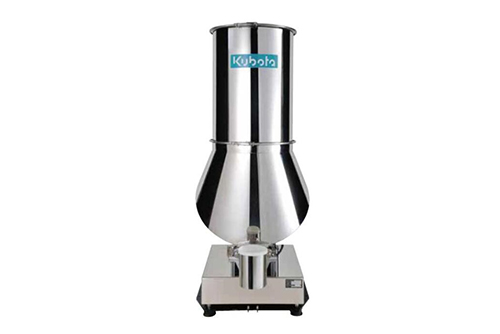
How Automated Feeding Systems Boost Efficiency
1. Enhancing Process Stability
Fluctuations in material supply can cause inconsistent product quality, machine slowdowns, or production interruptions. Automated feeders maintain steady flow, ensuring equipment operates within designed parameters. This improves overall line stability and reduces the risk of rejects.
2. Increasing Throughput
Manual feeding limits production speed due to human reaction time, fatigue, and inconsistencies. Automated systems keep machines continuously supplied, enabling faster cycle times and maximizing line capacity without requiring additional workforce.
3. Improving Accuracy and Reducing Waste
Whether handling powders, pellets, chemicals, or electronic components, overfeeding and underfeeding can lead to material waste and product defects. Automated feeders ensure precise dosing that minimizes scrap and supports stringent process requirements.
4. Supporting Predictive Maintenance
Modern feeders equipped with sensors and monitoring systems provide real-time data on flow rates, vibration, wear, and temperature. This data helps anticipate mechanical issues before they escalate, reducing unplanned downtime.
5. Enabling Full-Line Automation
As factories adopt more automated and intelligent systems, feeders act as the foundational link between raw materials and processing equipment. They make end-to-end automation achievable by providing predictable and controllable material flow.
Reducing Operational Costs Through Automation
1. Lower Labor Costs
Automated feeders minimize the need for manual material loading. While skilled operators remain essential for oversight, automation reduces repetitive labor tasks, enabling enterprises to redeploy employees to higher-value responsibilities.
2. Reduced Material Loss
Accurate dosing means fewer errors, less overuse of raw materials, and higher consistency across batches. This contributes to a more efficient cost structure and a reduction in waste-handling expenses.
3. Extended Equipment Life
When machines receive material at stable rates, mechanical stress decreases. Avoiding surges and blockages extends the lifespan of downstream equipment such as mixers, extruders, presses, and conveyors.
4. Energy Efficiency
Predictable, continuous operation allows systems to run at optimized energy levels. Sudden stops and restarts consume more power; automated feeders reduce these fluctuations and contribute to energy-management goals.
5. Fewer Production Interruptions
Downtime is one of the most expensive problems in any production environment. Automated feeders significantly reduce unplanned stoppages by ensuring consistent material supply and enabling early detection of abnormalities.
Real-World Applications Across Diverse Industries
Automated feeders serve as essential infrastructure in various manufacturing sectors. Some common examples include:
New Materials
Processing advanced polymers, composites, powders, or specialty chemicals requires precise control. Automated feeders provide accurate dosing critical to achieving required material properties.
Electronics
In high-speed electronics assembly, automated feeders deliver components to pick-and-place machines with exact positioning and timing. This supports higher throughput and reduces component damage.
New Energy
Lithium battery materials, electrode powders, and electrolytes must be measured and delivered precisely. Automated feeding supports safe, consistent handling of sensitive materials.
Environmental Processing
Recycling lines and waste-treatment plants rely on feeders to manage varying material densities and moisture levels. Automated systems ensure stable processing conditions and reduce blockages.
Chemical and Industrial Production
From granules to liquids, feeding accuracy directly influences reaction outcomes, product purity, and batch traceability.
Integrated Intelligent Feeding Solutions from Being (Shanghai) Intelligent Technology
Automated feeders achieve their highest value when integrated into a complete production ecosystem. This is where Being (Shanghai) Intelligent Technology Co., Ltd. provides significant expertise.
The company engages in:
Industrial electromechanical equipment
Electronic products and material-handling systems
Chemical and electronic raw material sales
Engineering consulting and design
Technical research and development
Project management and engineering contracting
What Sets the Company Apart
Customized Integration
For new materials, new energy, electronics, and environmental industries, the company designs feeding solutions tailored to each process’s physical characteristics, flow requirements, and automation goals.
Digitalization and Intelligent Control
Feeding systems can be integrated with sensors, PLCs, MES platforms, and cloud monitoring tools to provide real-time visibility and data-driven optimization.
Sustainable Engineering
Through energy-efficient equipment and smart controls, the company helps clients reduce carbon emissions and optimize resources, contributing to long-term carbon-neutrality targets.
Comprehensive Project Delivery
From concept evaluation to commissioning, the company provides end-to-end solutions that ensure seamless integration of feeding systems with conveying, mixing, extrusion, and packaging operations.
Industry-Specific Expertise
Having delivered numerous turnkey projects across multiple sectors, the company understands the unique challenges of each industry and provides targeted, practical, and scalable solutions.
The Role of Automated Feeders in Building a Zero-Carbon Future
As industries accelerate digitalization and sustainability adoption, automated feeding systems will remain essential to achieving stable, efficient, and low-emission production. Whether used for precision powder dosing, component delivery, or bulk-material handling, feeders serve as the foundation for intelligent manufacturing.
Through advanced engineering and integrated digital solutions, companies like Being (Shanghai) Intelligent Technology Co., Ltd. help manufacturers transition from manual processes to optimized, environmentally responsible production models. By upgrading material-handling systems and improving process accuracy, businesses can reduce energy usage, strengthen product reliability, and move steadily toward the long-term goal of a zero-carbon industrial ecosystem.
Automated feeders are not just equipment—they are strategic investment tools that support stronger operational performance and more sustainable development.
www.beyitech.com
Being (Shanghai) Intelligent Technology Co., Ltd.