In recent years, technology has made remarkable strides in enhancing accessibility for people with disabilities. Among these innovations, AI smart glasses for blind people are emerging as transformative tools that significantly improve the quality of life for visually impaired individuals. By combining artificial intelligence (AI), computer vision, and wearable design, these devices are empowering users to navigate their environments with greater independence, confidence, and efficiency. This article explores how smart glasses for blind users are changing lives, their key features, benefits, and future potential.
Understanding AI Smart Glasses for Blind People
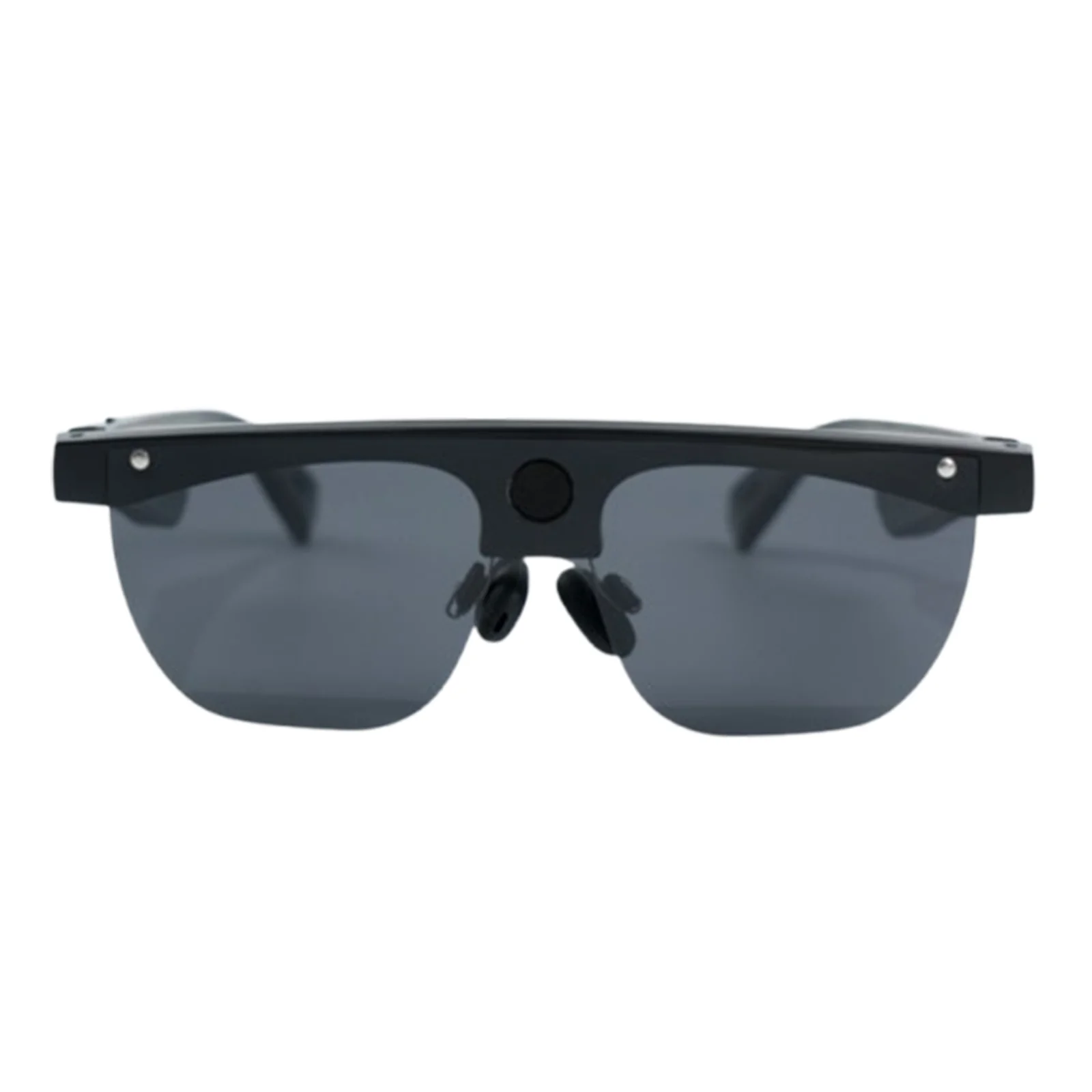
At their core, AI glasses for visually impaired are wearable devices equipped with cameras, sensors, and AI-powered software designed to interpret visual information in real time. Unlike traditional mobility aids such as canes or guide dogs, these smart glasses provide a layer of intelligent assistance that goes beyond physical support. They can identify obstacles, recognize faces, read text, detect colors, and even provide contextual audio guidance to help users understand and interact with their surroundings.
These glasses are designed with the user experience in mind. Most models are lightweight, ergonomically designed, and paired with smartphone apps or voice interfaces that allow for seamless interaction. By providing actionable information directly to the user, smart glasses for blind people are transforming the way visually impaired individuals engage with the world.
Key Features of AI Smart Glasses for Visually Impaired Users
The capabilities of AI glasses for visually impaired are varied and increasingly sophisticated. Some of the most notable features include:
-
Obstacle Detection and Navigation Assistance
One of the primary challenges for blind people is safely navigating complex environments. Modern smart glasses for blind use depth sensors and AI algorithms to detect obstacles in real time. The glasses provide audio or haptic feedback to guide users around obstacles, helping them move independently in crowded streets, public buildings, or unfamiliar settings. -
Text Recognition and Reading
AI-powered optical character recognition (OCR) allows smart glasses for blind people to read printed text aloud. From street signs and menus to official documents, this feature provides immediate access to written information without needing additional assistance. -
Facial Recognition and Social Interaction
Many AI glasses for visually impaired include facial recognition software that can identify friends, family members, or colleagues. This feature enables blind users to recognize people in social settings, fostering more natural and confident social interactions. -
Color and Object Identification
Some devices can identify colors and objects, providing audio cues to describe clothing, household items, or obstacles. This empowers users to make informed choices and perform daily tasks independently. -
Integration with Smartphones and Apps
Smart glasses for blind people often connect to mobile apps, allowing users to customize their experience, receive updates, or access additional services such as GPS navigation and public transit information.
Benefits of AI Smart Glasses for Blind Users
The adoption of smart glasses for blind individuals brings a wide range of benefits that extend beyond practical assistance:
-
Enhanced Independence
By providing real-time information about the environment, AI glasses for visually impaired allow users to perform tasks without relying on a guide dog, family member, or assistant. This independence fosters self-confidence and personal empowerment. -
Improved Safety
With obstacle detection and navigation support, blind users can move safely through unfamiliar or crowded environments. This technology reduces the risk of accidents and injuries, making daily life safer. -
Greater Accessibility to Information
The ability to read text, recognize objects, and access online content ensures that visually impaired individuals can engage fully in education, employment, and leisure activities. -
Social Inclusion
Facial recognition and object identification features make social interactions easier, reducing feelings of isolation and helping blind users connect with others more naturally. -
Time and Effort Savings
Traditional tools such as canes or braille readers require significant effort to use effectively. Smart glasses for blind people automate many of these processes, saving time and reducing cognitive load.
Real-Life Impact of AI Smart Glasses
Several case studies and user testimonials highlight the profound impact of AI glasses for visually impaired. For instance, blind students using these devices report being able to navigate campus independently, read course materials, and participate more actively in classroom discussions. In urban environments, users have described newfound confidence in commuting, shopping, and attending events without constant assistance.
Beyond individual benefits, these innovations also contribute to societal inclusion. By enabling visually impaired people to participate more fully in education, employment, and social activities, smart glasses for blind devices help bridge the accessibility gap and promote equal opportunities.
Challenges and Considerations
Despite their promise, smart glasses for blind people face several challenges:
-
Affordability
Advanced AI glasses can be expensive, limiting access for some users. Continued innovation and scaling are needed to make these devices more affordable. -
Battery Life and Portability
High-performance AI glasses require significant power, and maintaining battery life while keeping devices lightweight is a design challenge. -
Privacy Concerns
Cameras and AI algorithms may raise privacy issues, particularly in public spaces. Manufacturers must implement robust data protection measures. -
Adaptation and Training
Users need time and support to adapt to the technology, especially those unfamiliar with digital devices. Training programs and user-friendly interfaces are essential for effective adoption.
The Future of AI Smart Glasses for Blind Users
The field of AI glasses for visually impaired is evolving rapidly. Advances in AI, machine learning, and wearable technology promise even more sophisticated capabilities. Future models may include features such as augmented reality overlays, predictive navigation, emotion recognition, and enhanced contextual awareness.
As prices decrease and technology becomes more accessible, smart glasses for blind people could become a standard assistive tool, much like canes and guide dogs, transforming the daily lives of millions worldwide.
Conclusion
AI smart glasses represent a groundbreaking innovation for visually impaired individuals. By combining real-time environmental awareness, object recognition, navigation support, and social interaction tools, AI glasses for visually impaired are empowering users to live more independent, confident, and connected lives.
As technology continues to advance, the possibilities for smart glasses for blind people will only grow, reshaping accessibility, inclusion, and quality of life. For blind individuals, these devices are not just tools—they are life-changing companions that open doors to a world of opportunities previously out of reach.
www.rayseegroup.com
raysee