As global demand for clean and sustainable energy continues to grow, solar power has become a key solution for large-scale electricity generation. Among the various installation methods available, ground solar mounting systems play a critical role in enabling stable, efficient, and scalable photovoltaic (PV) projects. Unlike rooftop installations, ground-mounted solar systems are designed for open land, utility-scale solar farms, and commercial projects where flexibility in layout, orientation, and system capacity is essential. A well-designed ground solar mounting system ensures structural stability, optimal panel alignment, and long-term performance under diverse environmental conditions. This article NCNF provides a comprehensive and practical overview of ground solar mounting systems, focusing on their design and material selection.
What Is Ground Solar Mounting?
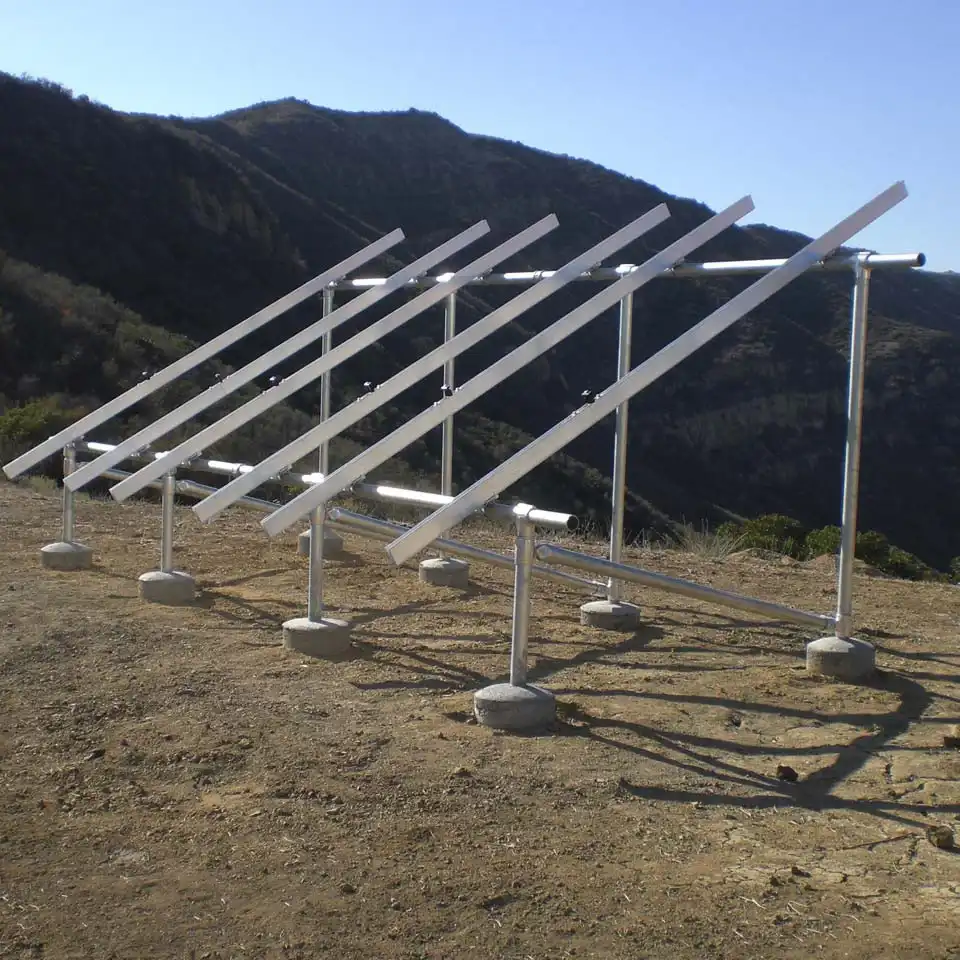
Ground solar mounting refers to a structural system used to install photovoltaic (PV) panels directly on the ground rather than on rooftops or building-integrated structures. These systems are securely anchored into soil, rock, or concrete foundations and are engineered to support solar modules at a predefined tilt angle and orientation to maximize sunlight exposure.
Unlike rooftop systems, ground solar mounting allows greater freedom in system design and layout. Project developers can optimize panel spacing, orientation, and inclination based on site-specific conditions such as latitude, terrain, and shading constraints. This design flexibility often leads to higher energy yield and improved long-term system efficiency.
Ground solar mounting systems are widely used in:
-
Utility-scale solar power plants, where large land areas are available
-
Commercial and industrial solar projects requiring high-capacity installations
-
Agricultural and rural solar installations, including agrivoltaic applications
-
Remote or off-grid solar systems where rooftops are unavailable or unsuitable
By installing solar panels on the ground, maintenance access is also simplified, making inspection, cleaning, and component replacement more efficient over the system’s lifespan.
Ground Solar Mounting Structural Design and Configuration Options
The structural design of a ground solar mounting system directly affects its performance, durability, and cost. Different configurations are selected based on project scale, environmental conditions, and energy production goals.
Fixed-Tilt Ground Solar Mounting
Fixed-tilt systems are the most widely adopted type of ground solar mounting. In this configuration, solar panels are installed at a fixed inclination angle that is optimized for the site’s latitude and average solar irradiance throughout the year.
Key advantages of fixed-tilt ground solar mounting include:
-
Simple and robust structural design
-
Lower installation and maintenance costs compared to tracking systems
-
High resistance to wind and mechanical stress
-
Proven long-term reliability
Because of their straightforward design and cost efficiency, fixed-tilt systems are commonly used in large-scale solar farms and utility projects where stability, predictability, and low operational complexity are essential.
Adjustable-Tilt Ground Solar Mounting
Adjustable-tilt ground solar mounting systems allow the tilt angle of the solar panels to be modified manually or seasonally. This adjustability enables operators to optimize panel orientation for different seasons, improving solar energy capture during winter or low-sun-angle periods.
While adjustable systems typically involve higher labor input and slightly more complex structures, they offer improved flexibility and performance optimization. These systems are often selected for medium-scale projects or locations with significant seasonal variation in solar altitude, where incremental energy gains justify the additional effort.
Single-Row and Multi-Row Layouts
Ground solar mounting systems can be arranged in single-row or multi-row layouts depending on available land area, project capacity, and site topography. Proper row spacing is a critical design factor, as insufficient spacing can lead to inter-row shading and reduced energy output.
In well-designed ground solar mounting layouts, row spacing is calculated based on panel height, tilt angle, and sun path analysis to ensure optimal performance throughout the year. Multi-row configurations are commonly used in large solar farms to maximize land utilization while maintaining acceptable shading losses.
Materials Used in Ground Solar Mounting Systems
Material selection plays a vital role in the strength, durability, and environmental resistance of ground solar mounting systems. Structural components must withstand long-term exposure to wind, rain, temperature fluctuations, and corrosive environments.
Galvanized Steel Structures
Galvanized steel is one of the most widely used materials in ground solar mounting systems due to its excellent mechanical strength and cost-effectiveness. Steel structures provide high load-bearing capacity, making them suitable for large modules, high wind zones, and regions with heavy snow loads.
Key benefits of galvanized steel ground solar mounting structures include:
-
Strong structural rigidity and stability
-
Long service life under outdoor conditions
-
Competitive manufacturing and material costs
-
Compatibility with a wide range of foundation types
Hot-dip galvanization creates a protective zinc layer on the steel surface, significantly enhancing corrosion resistance and ensuring long-term durability even in harsh climates.
Aluminum Alloy Components
Aluminum alloys are commonly used for rails, clamps, and secondary structural components in ground solar mounting systems. Aluminum’s lightweight nature simplifies transportation and installation while maintaining sufficient strength for structural support.
In addition to ease of handling, aluminum offers excellent natural corrosion resistance, making it suitable for projects in humid or coastal environments. Aluminum components are often preferred in modular system designs where flexibility, precision, and ease of assembly are important considerations.
Corrosion Protection and Surface Treatment
To ensure long-term reliability, ground solar mounting systems rely on effective corrosion protection and surface treatment technologies. Common treatments include hot-dip galvanization, anodizing, and specialized protective coatings.
These surface treatments protect structural components from moisture, salt spray, chemical exposure, and UV radiation. Proper corrosion protection not only extends the service life of the mounting system but also reduces maintenance requirements and total lifecycle costs, making it a critical aspect of ground solar mounting design.
Conclusion
A well-engineered ground solar mounting system provides the foundation for reliable, efficient, and scalable solar energy production. By offering structural stability, flexible design options, and compatibility with large-scale installations, ground solar mounting systems play a vital role in modern photovoltaic projects.
Understanding the components, materials, installation methods, and performance characteristics of ground solar mounting systems enables developers, engineers, and procurement teams to make informed decisions that support long-term project success. For solar installations where land availability and performance optimization are key priorities, ground solar mounting remains a dependable and proven solution.
https://www.ncnfsolar.com/ground-mounting-system
www.ncnfsolar.com
NCNF