The Evolution of Automated Food Retail
The retail landscape is undergoing a fundamental transformation as businesses grapple with escalating operational costs and evolving consumer expectations. Traditional commercial retail models face mounting pressure from skyrocketing site rents, rising labor expenses, and geographical constraints that limit sales hours and market accessibility. In this challenging environment, automated retail technology has emerged as a compelling solution for businesses seeking to reduce overhead while maximizing revenue potential through intelligent, round-the-clock accessibility.
The shift toward automated food vending represents more than just technological advancement—it reflects a strategic response to genuine market needs. Modern consumers demand convenience, speed, and quality in their food purchasing experiences, regardless of time or location. Simultaneously, businesses require solutions that deliver consistent performance while minimizing maintenance requirements and operational complexity.
Understanding Durability in Hot Food Vending Technology
When evaluating hot food vending solutions, durability encompasses multiple dimensions beyond simple mechanical longevity. A truly durable system must maintain consistent performance across thermal management, delivery mechanisms, and data reliability while operating in diverse environmental conditions.
Thermal Management as a Durability Foundation
The foundation of any durable hot food vending machine lies in its thermal management capabilities. Advanced systems utilize polyurethane one-piece foam molding technology to achieve superior temperature locking and insulation properties. This construction method creates seamless thermal barriers that maintain energy efficiency over extended operational periods, reducing both energy consumption and component wear.
Professional-grade compressors designed specifically for demanding environments represent another critical durability factor. These specialized cooling systems deliver unmatched performance consistency, ensuring that temperature-sensitive products remain within safe parameters regardless of external conditions or usage intensity. The integration of adjustable microwave heating capabilities with customizable time and temperature settings provides operational flexibility while maintaining system integrity.
Mechanical Reliability Through Intelligent Design
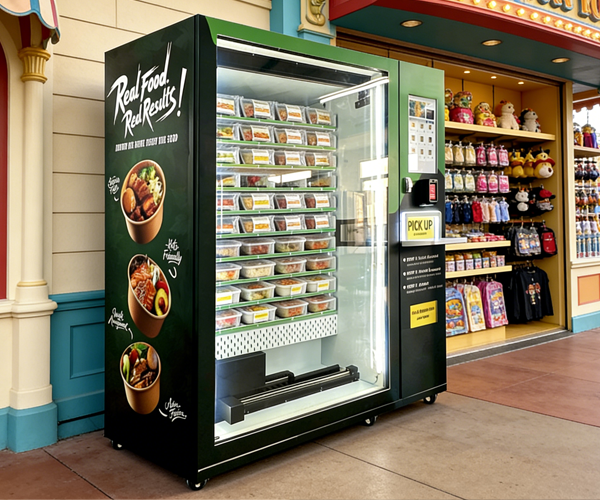
Traditional vending machines frequently suffer from product damage issues due to spiral-drop delivery mechanisms that subject items to impact stress. This limitation becomes particularly problematic when dispensing fragile items such as glass bottles, prepared meals in delicate packaging, or products with complex shapes.
Independent elevator transport systems paired with infrared detection technology address this vulnerability directly. By eliminating drop-based delivery, these systems ensure stable, controlled product transport that accommodates varied package shapes and sizes without damage risk. This approach reduces product loss, minimizes maintenance interventions, and extends overall system lifespan—key indicators of true durability.
IMT Vending's Approach to Long-Term Performance
IMT Vending has developed automated smart retail solutions specifically engineered to function as "all-weather stores" that maintain consistent performance across diverse operational scenarios. Their technology addresses the core challenges that have historically limited vending machine durability and reliability.
The company's 21.5" Smart Fresh Food Vending Machine exemplifies this comprehensive approach to durability. The system integrates multiple advanced features designed for long-term operational stability:
Heating Versatility with Operational Control: The integrated microwave system includes optional on-off control, allowing operators to customize warming functions based on product mix and consumer preferences. This flexibility prevents unnecessary component wear when heating capabilities are not required.
Stability Assurance Through Gentle Delivery: The independent elevator transport system eliminates the product damage risks common in spiral-drop machines, reducing both product loss and mechanical stress that can compromise system longevity.
Hygienic Convenience Features: The automatic utensil dispenser integrated into the machine provides forks and spoons without requiring additional external equipment, streamlining the user experience while reducing maintenance complexity.
Energy-Efficient Construction: The polyurethane foam box construction ensures optimal temperature retention, minimizing compressor cycling and extending component operational life.
Customization Capabilities for Diverse Applications
Durability requirements vary significantly across different deployment scenarios. Airport installations face different operational demands than hospital cafeterias or factory break rooms. Recognizing this diversity, modular aisle designs including conveyor belt chutes and side-push configurations accommodate diverse product dimensions while maintaining mechanical reliability.
Full ODM and OEM capabilities enable both software and hardware modifications tailored to specific operational requirements. This customization approach ensures that durability features align precisely with actual usage patterns rather than forcing operators to adapt to generic solutions. Standard production lead times of approximately two weeks enable rapid deployment while maintaining quality standards.
Data-Driven Operational Longevity
Physical durability represents only one dimension of long-term system viability. Intelligent sales platforms providing real-time access to sales, stock, and profit data enable proactive maintenance and inventory management that prevents operational issues before they compromise system performance.
Remote management capabilities allow operators to monitor machine status and create subsidiary accounts for agents or remotely installed machines. This visibility enables early detection of performance anomalies that might indicate emerging mechanical issues, facilitating preventive intervention rather than reactive repairs.
Global Deployment and Support Infrastructure
True durability extends beyond the machine itself to encompass comprehensive support infrastructure. Lifetime technical assistance ensures that operators maintain access to expert guidance throughout the equipment lifecycle. Quality testing before delivery establishes baseline performance standards, while one-year warranty coverage provides protection during the critical initial operational period.
Global shipping capabilities to major ports via sea freight (25-45 days) and express delivery (3-5 days) ensure that replacement components and technical support remain accessible regardless of deployment location. Support for global payment methods including T/T, L/C, Credit Card, Western Union, PayPal, Escrow, Alibaba Pay, and Alipay facilitates seamless international transactions.
Industry Applications Demanding Maximum Durability
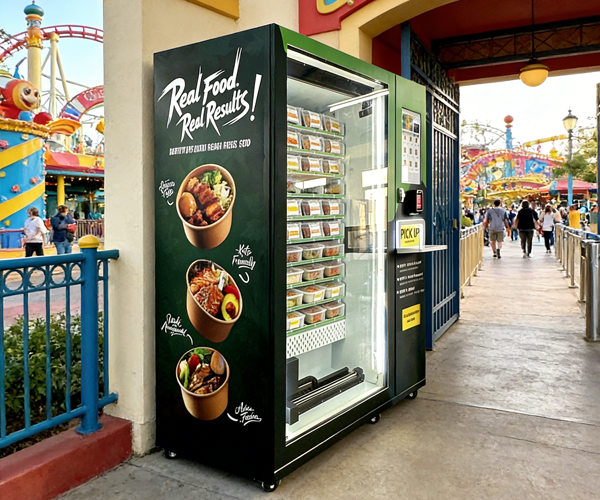
Certain deployment environments place exceptional demands on vending machine durability. Transportation hubs including airports, train stations, subway stations, and ports experience high transaction volumes and diverse user populations. Healthcare facilities such as hospitals, pharmacies, and clinics require consistent availability for staff and visitors operating on irregular schedules.
Tourism and leisure venues including parks, zoos, scenic spots, amusement parks, and hotels face seasonal demand fluctuations and varying environmental conditions. Educational institutions and workplace environments such as schools and factories need reliable automated food services that minimize operational oversight requirements.
Retail locations including shopping malls and pedestrian streets demand machines that maintain aesthetic appeal and operational reliability despite intensive daily usage. Each of these scenarios requires durable hot food vending solutions capable of sustained performance under specific operational stresses.
The Business Case for Durable Systems
Investing in durable hot food vending technology delivers quantifiable business advantages beyond simple equipment longevity. Reduced maintenance requirements translate directly to lower operational costs and improved system uptime. Reliable thermal management minimizes product spoilage and waste. Gentle delivery mechanisms reduce product damage losses. Intelligent data platforms enable optimized inventory management and precise marketing based on consumer behavior patterns.
For businesses transitioning to automated management, these factors combine to create compelling return-on-investment scenarios. The ability to operate profitably in locations where traditional retail models prove economically unviable opens new revenue streams previously considered inaccessible.
Conclusion: Durability as Competitive Advantage
As automated retail technology continues evolving, durability has emerged as a primary differentiator separating premium solutions from basic vending equipment. Businesses seeking to maximize return on investment require systems engineered for sustained performance across thermal management, mechanical reliability, data integrity, and support infrastructure.
The convergence of advanced thermal management, intelligent transport mechanisms, comprehensive data platforms, and robust support networks defines the current state of durable hot food vending technology. For operators deploying equipment in demanding environments, these integrated capabilities represent not merely desirable features but essential requirements for long-term operational success and profitability in the automated retail landscape.
https://www.imtvending.com/
Guangzhou IMT Technology Co., Ltd.