
Valve interlock systems are critical components in industrial pipelines, ensuring the safe and efficient operation of fluid transport networks. In complex pipeline systems, where multiple valves control the flow of different fluids under varying pressures and temperatures, designing a custom valve interlock system becomes essential. This article explores the design process, key considerations, and best practices for implementing a reliable and safe valve interlock system tailored to complex pipelines.
Understanding Valve Interlock Systems
A valve interlock system is a mechanical or electronic mechanism that prevents unsafe sequences of valve operation. Its primary purpose is to:
Prevent Operational Errors: Ensures operators cannot open or close valves in a sequence that could lead to overpressure, leakage, or contamination.
Enhance Safety: Protects personnel and equipment by eliminating the risk of incorrect valve manipulation.
Ensure Process Integrity: Maintains the designed flow path and pressure balance within a pipeline system.
In complex pipelines—such as those used in chemical plants, oil and gas refineries, and water treatment facilities—valves are interconnected in networks that may include diverging or converging flow paths, multiple pressure zones, and critical control points. Without interlocks, the probability of operational errors increases significantly.
Key Principles in Designing a Custom Valve Interlock System
Designing a custom valve interlock system requires a detailed understanding of the pipeline layout, operational requirements, and safety standards. Several principles guide the design process:
1. Comprehensive Pipeline Mapping
Before designing the interlock system, a detailed pipeline map must be created. This includes:
Valve Types: Gate valves, ball valves, butterfly valves, and others.
Flow Paths: Main and bypass lines, diverters, and recirculation loops.
Critical Control Points: Areas where incorrect valve operation could cause hazards.
Instrumentation and Sensors: Pressure, flow, and temperature sensors that may integrate with electronic interlocks.
Accurate mapping allows engineers to identify potential hazards and determine which valves require interlocking.
2. Designing the Interlock Sequence
The interlock sequence dictates the order in which valves can be operated. The design process involves:
Hazard Analysis: Identify scenarios that could lead to unsafe conditions, such as backflow, overpressure, or cross-contamination.
Operational Requirements: Determine which valves must be open or closed to maintain process continuity.
Sequential Logic: Develop a sequence that ensures safe operation, preventing unsafe valve manipulation at any stage.
For instance, in a chemical processing pipeline, an interlock may prevent a valve leading to a high-pressure reactor from opening unless upstream isolation valves are closed.
3. Compliance with Safety Standards
Valve interlock systems must comply with industry safety standards, including:
API (American Petroleum Institute) standards for oil and gas pipelines.
ANSI (American National Standards Institute) for general industrial piping.
OSHA (Occupational Safety and Health Administration) for workplace safety.
ISO 9001 / 45001 for quality and safety management.
Compliance ensures the system meets regulatory requirements and is auditable.
4. Incorporating Redundancy
Redundancy is critical in complex systems to prevent single-point failures. Effective strategies include:
Dual Interlocks: Using both mechanical and electronic interlocks.
Fail-Safe Design: Ensuring valves default to a safe position in the event of power or control failure.
Backup Power Supplies: Maintaining electronic interlocks during outages.
Redundancy enhances reliability and protects against unexpected failures.
Practical Steps for Custom Design
Designing a custom valve interlock system follows a structured approach:
Step 1: Requirement Gathering
Collaborate with process engineers, operators, and safety managers to gather detailed operational requirements. This includes:
Flow capacities
Pressure and temperature ranges
Critical safety concerns
Automation and monitoring preferences
Step 2: Risk Assessment
Perform a thorough risk assessment to identify:
Hazardous operating conditions
Critical valves that require interlocks
Potential failure modes
Tools like HAZOP (Hazard and Operability Study) are often used in this stage.
Step 3: System Modeling
Use pipeline simulation software to model valve sequences and test interlock logic. Simulation helps detect conflicts and refine sequences before physical implementation.
Step 4: Hardware and Software Selection
Choose interlock components that match operational needs:
Locking mechanisms
Control panels or PLCs (Programmable Logic Controllers)
Sensors and actuators
For electronic systems, ensure compatibility with existing SCADA systems.
Step 5: Installation and Testing
Install the system in stages and conduct rigorous testing:
Functional Testing: Verify each interlock prevents incorrect valve operation.
Integration Testing: Ensure interlocks work with control systems.
Stress Testing: Simulate emergency conditions to confirm fail-safe behavior.
Step 6: Documentation and Training
Provide comprehensive documentation covering:
Interlock sequences
Operation manuals
Maintenance schedules
Train operators thoroughly to ensure proper usage and response to alerts.
Case Example: Oil Refinery Pipeline
Consider a refinery pipeline network where crude oil is routed through multiple distillation units. A custom valve interlock system could include:
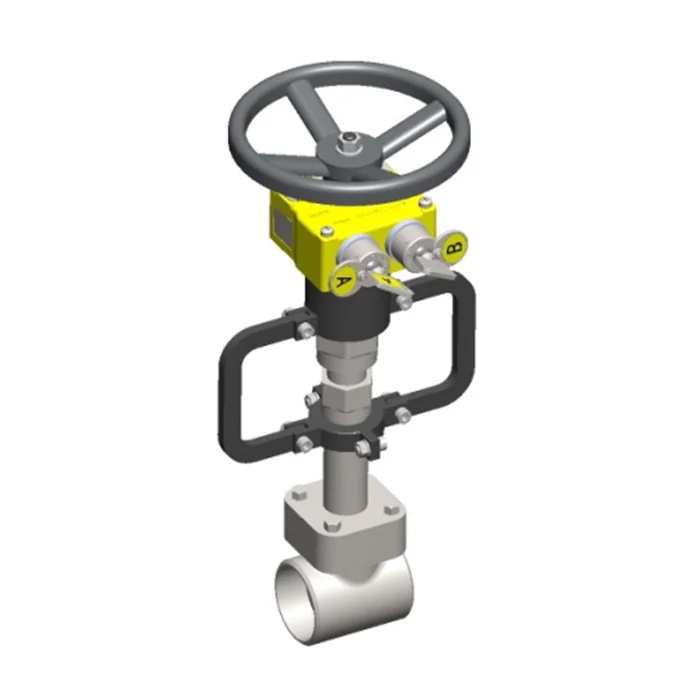
Mechanical key interlocks on valves leading to high-temperature distillation columns.
Electronic interlocks that prevent bypass lines from opening when downstream pressure is high.
Redundant sensors for flow and temperature to trigger automatic valve closure in emergencies.
This combination reduces human error, prevents overpressure events, and enhances overall plant safety.
Challenges and Optimization Strategies
Designing interlocks for complex pipelines comes with challenges:
Integration Complexity: Interfacing mechanical and electronic systems can be difficult. Clear documentation and standardized interfaces help.
Maintenance: Complex interlocks require regular inspection. Modular design simplifies maintenance.
Cost: Custom systems are more expensive than off-the-shelf solutions. Cost-benefit analysis ensures investment in safety aligns with operational efficiency.
Optimization strategies include:
Modular interlock design for scalability.
Remote monitoring and diagnostics.
Predictive maintenance using sensor data analytics.
Conclusion
A well-designed custom valve interlock system is essential for the safe and efficient operation of complex pipelines. By carefully analyzing pipeline layout, operational risks, and safety requirements, engineers can develop interlocks that prevent operational errors, protect personnel, and maintain process integrity. Whether using mechanical, electronic, or hybrid systems, attention to redundancy, compliance, and operator training ensures the system delivers maximum reliability. Investing in a custom valve interlock system is not just a regulatory necessity—it is a strategic decision that enhances operational safety, efficiency, and longevity of industrial pipeline networks.
www.nudango.com
nudango