
Outdoor reclining sofas are a cornerstone of comfortable and stylish outdoor living. Whether you enjoy sipping coffee on the patio, lounging in the garden, or hosting friends and family, a reclining sofa enhances your outdoor experience. However, exposure to sun, rain, dust, and humidity can take a toll on your outdoor furniture if not properly maintained. Proper care ensures that your outdoor reclining sofa remains functional, comfortable, and visually appealing for many years. This comprehensive guide will provide practical tips and strategies to maintain your outdoor reclining sofa and extend its lifespan.
1. Understanding the Importance of Maintenance
Investing in a high-quality outdoor reclining sofa is just the first step. Without proper maintenance, even the most durable furniture can degrade over time. Key reasons to maintain your outdoor sofa include:
-
Preserving Appearance: Outdoor elements can cause fading, discoloration, and stains. Regular care keeps your sofa looking new.
-
Ensuring Functionality: Reclining mechanisms, hinges, and joints may become stiff or corroded without routine attention.
-
Extending Lifespan: Proper cleaning, storage, and protection can significantly prolong the usability of your sofa.
-
Health and Hygiene: Outdoor cushions can harbor dirt, dust, mold, or mildew if neglected.
Maintenance is not only about aesthetics—it’s about protecting your investment.
2. Cleaning Your Outdoor Reclining Sofa
Regular cleaning is the foundation of long-lasting outdoor furniture. The methods differ depending on the materials used for your sofa, including frame, cushions, and upholstery.
2.1 Cleaning the Frame
Frame materials commonly include aluminum, steel, teak, resin, or synthetic wicker. Here’s how to clean them:
-
Aluminum: Use a soft cloth or sponge with mild soap and water. Avoid abrasive cleaners that can scratch the surface. Aluminum is naturally rust-resistant but still benefits from periodic cleaning.
-
Steel: Wipe down with a damp cloth. If you notice rust, lightly sand the affected area and apply a rust-resistant paint or coating.
-
Teak and Other Hardwoods: Use a teak cleaner and soft brush to remove dirt. Periodically apply teak oil or sealant to maintain its natural color and prevent cracking.
-
Wicker and Resin: Clean with a mild soap solution and a soft brush to remove dust and debris from woven patterns. Rinse with water and allow it to dry completely.
2.2 Cleaning Cushions and Upholstery
Cushions are susceptible to stains, mold, and fading. Maintenance tips include:
-
Remove Dust and Debris: Shake cushions regularly and vacuum to remove dirt and crumbs.
-
Spot Cleaning: Use a mild detergent solution for small stains. Gently scrub with a soft cloth and rinse thoroughly.
-
Deep Cleaning: For removable covers, follow manufacturer instructions. Many covers are machine washable or can be soaked in mild soap and water.
-
Mold and Mildew: If cushions develop mildew, mix water and white vinegar (1:1 ratio) and lightly scrub the affected area. Rinse and air dry completely in sunlight.
2.3 Cleaning Reclining Mechanisms
Reclining mechanisms may accumulate dust, dirt, or rust:
-
Lubricate Joints: Use a silicone-based lubricant to maintain smooth operation.
-
Check for Loose Screws: Periodically inspect and tighten screws, bolts, and other fasteners.
-
Avoid Harsh Chemicals: Strong solvents can damage metal and plastic components.
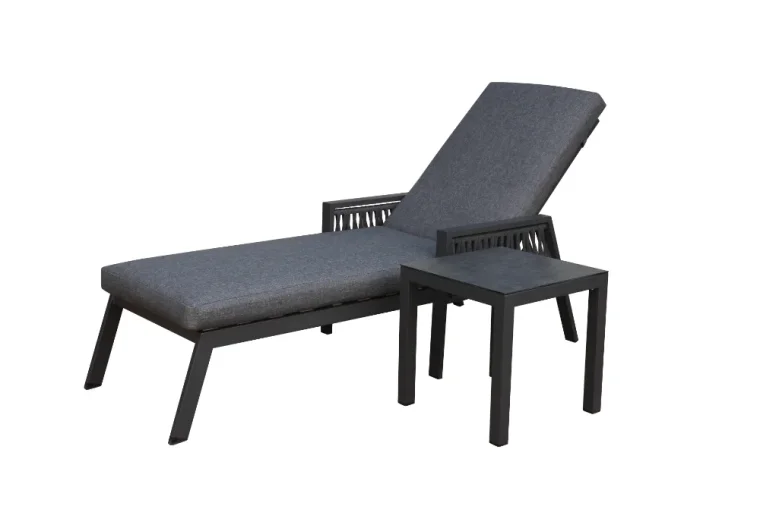
3. Protecting Your Sofa from Weather Damage
Outdoor furniture faces extreme conditions, including sun, rain, snow, and humidity. Protective measures can significantly extend its life.
3.1 Sun Protection
UV rays can cause fading, discoloration, and deterioration of both frames and cushions:
-
Use UV-Resistant Fabrics: Sunbrella and other outdoor fabrics are designed to resist fading.
-
Shade Your Sofa: Position your sofa under a patio cover, pergola, or umbrella to reduce direct sun exposure.
-
Apply Protective Coatings: Some wooden frames benefit from UV-resistant oils or sealants.
3.2 Rain and Moisture Protection
Water can cause mold, mildew, and rust:
-
Waterproof Covers: Use fitted waterproof covers when the sofa is not in use.
-
Quick-Dry Cushions: Invest in cushions made with quick-drying foam to prevent waterlogging.
-
Proper Drainage: Ensure that your sofa’s design allows water to drain and does not accumulate in crevices.
3.3 Winter Protection
Harsh winter conditions can damage frames and cushions:
-
Indoor Storage: If possible, store cushions or the entire sofa in a garage or shed during winter.
-
Protective Covers: Heavy-duty winter covers help shield furniture from snow and ice.
-
Elevate Furniture: Avoid placing your sofa directly on wet ground to prevent frame corrosion or wood rot.
4. Regular Inspections
Routine inspections help detect issues before they become major problems:
-
Check Frame Integrity: Look for cracks, rust, or loose joints.
-
Inspect Reclining Mechanisms: Ensure smooth movement and listen for unusual noises.
-
Examine Cushions: Check for tears, mildew, or flattening.
-
Look for Pests: Outdoor furniture can sometimes attract insects or birds, especially if cushions are stored improperly.
5. Tips for Prolonging Cushion Life
Cushions are often the first component to show wear. Extend their life with the following practices:
-
Rotate Cushions: Rotate regularly to ensure even wear and sun exposure.
-
Fluff Regularly: Maintain shape and comfort by fluffing cushions daily or weekly.
-
Use Storage Bins: Keep cushions in waterproof storage boxes when not in use.
-
Avoid Sitting on Wet Cushions: Moisture can cause fabric and foam degradation over time.
6. Maintaining Wooden Outdoor Reclining Sofas
Wood requires special attention compared to metal or synthetic materials:
-
Cleaning: Use a gentle brush and mild soap to remove dirt.
-
Sanding: Lightly sand surfaces to remove rough patches or minor weathering.
-
Sealing: Apply wood sealants or oils annually to prevent moisture absorption and cracking.
-
Cover or Store: Protect during harsh weather to prevent warping and rot.
7. Maintaining Metal and Aluminum Frames
Metal frames, particularly steel, require rust prevention:
-
Regular Wiping: Keep metal frames free from dust and moisture.
-
Rust Removal: Use a wire brush or sandpaper to remove rust spots and apply touch-up paint.
-
Lubricate Moving Parts: Use silicone spray or light oil to maintain smooth reclining action.
Aluminum frames are easier to maintain but still benefit from regular cleaning and inspection.
8. Maintaining Wicker and Synthetic Materials
Wicker and synthetic resin are popular for outdoor sofas:
-
Avoid Excessive Moisture: While weather-resistant, prolonged exposure to water can damage woven surfaces.
-
Clean Gaps and Crevices: Use a soft brush or compressed air to remove dirt from tight spaces.
-
Repair Breaks Promptly: Small breaks in wicker can be repaired with replacement strands or resin patches.
9. Practical Daily Maintenance Tips
Incorporating small daily habits can dramatically increase the lifespan of your outdoor reclining sofa:
-
Cover After Use: Even brief exposure to sun and rain can gradually damage cushions and frames.
-
Avoid Sharp Objects: Prevent tears and scratches by keeping pets’ claws and sharp tools away.
-
Clean Spills Immediately: Prompt cleaning prevents staining and fabric degradation.
-
Check Reclining Mechanisms: Ensure they move freely and are not obstructed by debris.
10. Common Mistakes to Avoid
Even with care, some practices can inadvertently reduce the lifespan of your outdoor sofa:
-
Neglecting Covers: Leaving furniture exposed to elements year-round accelerates wear.
-
Using Harsh Chemicals: Bleach or strong detergents can damage fabrics and frame finishes.
-
Ignoring Mold: Allowing mildew to develop can permanently stain cushions and harm health.
-
Overloading: Exceeding weight limits can damage reclining mechanisms and frames.
11. Investing in Quality for Longevity
While maintenance is crucial, starting with a high-quality outdoor reclining sofa ensures easier upkeep:
-
Durable Frames: Aluminum, stainless steel, and treated hardwood last longer than cheap metal or untreated wood.
-
Weather-Resistant Fabrics: Fabrics like Sunbrella resist fading, moisture, and mildew.
-
Reliable Reclining Mechanisms: Quality recliners operate smoothly for years with minimal maintenance.
-
Warranty and Support: Purchase from reputable manufacturers offering warranties and replacement parts.
12. Conclusion
Maintaining your outdoor reclining sofa is essential for long-term comfort, aesthetics, and functionality. By adopting a routine of cleaning, protective measures, inspections, and mindful use, you can enjoy years of relaxing outdoor moments. Proper care extends the life of frames, cushions, and reclining mechanisms, ensuring your investment continues to bring enjoyment.
Whether you own a metal-framed sectional, a teak loveseat recliner, or a wicker modular sofa, the principles remain the same: clean regularly, protect against weather, inspect often, and address issues promptly. By following this guide, your outdoor reclining sofa will remain a centerpiece of relaxation and style for years to come, enhancing your outdoor living experience season after season.
www.cherishoutdoor.com
cherishoutdoor