
Introduction
Selecting a reliable supplier for electric ICU beds is one of the most critical procurement decisions for hospitals, clinics, and medical distributors. ICU beds are not just ordinary hospital furniture—they are life-supporting medical devices that directly affect patient safety, clinical efficiency, and caregiver workload.
With the rapid growth of global healthcare infrastructure and increasing demand for advanced intensive care equipment, the market is filled with numerous manufacturers and suppliers. However, not all suppliers can deliver consistent quality, regulatory compliance, and long-term service support.
This article provides a comprehensive guide on how to choose a high-quality electric ICU bed supplier, covering technical evaluation, manufacturing capability, certifications, after-sales service, and long-term cooperation considerations.
1. Understand the Importance of Supplier Selection
Before comparing suppliers, it is essential to understand why supplier quality matters so much in ICU bed procurement.
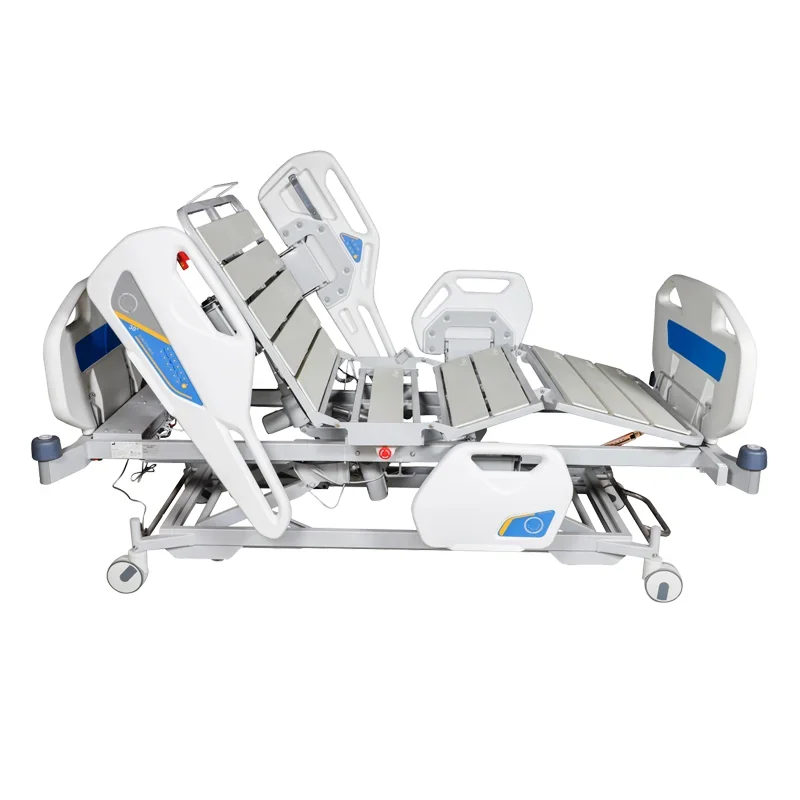
An electric ICU bed is a complex system that integrates:
-
Motorized positioning systems
-
Electronic control panels
-
Safety mechanisms
-
Patient monitoring compatibility
-
Durable medical-grade materials
Any failure in these components can lead to:
-
Patient safety risks
-
Reduced ICU efficiency
-
Increased nursing workload
-
Higher maintenance costs
-
Compliance issues in hospitals
Therefore, choosing the right supplier is not just about price—it is about reliability, safety, and long-term performance.
2. Evaluate Manufacturing Experience and Industry Expertise
One of the first indicators of a high-quality supplier is their industry experience.
A professional ICU bed supplier should have:
-
At least 5–10 years of manufacturing experience in medical beds or hospital furniture
-
A dedicated R&D team focusing on medical equipment
-
Proven export experience in global healthcare markets
-
A stable production system with quality control processes
Experienced suppliers understand different hospital requirements, such as:
-
ICU critical care needs
-
Emergency positioning functions
-
Infection control standards
-
Regional compliance requirements (EU, US, Middle East, etc.)
A supplier without strong experience may offer lower prices, but often lacks engineering depth and long-term reliability.
3. Check Product Quality and Technical Specifications
High-quality electric ICU beds must meet strict technical standards. When evaluating suppliers, focus on the following key aspects:
3.1 Motor System Quality
The motor is the heart of an electric ICU bed. A good supplier uses:
-
Quiet medical-grade motors
-
Stable lifting systems
-
Overload protection mechanisms
-
Long service life (usually 20,000+ cycles or more)
3.2 Bed Frame Material
High-quality ICU beds typically use:
-
Cold-rolled steel with anti-corrosion coating
-
Aluminum alloy or ABS engineering plastics
-
Antibacterial and easy-to-clean surfaces
3.3 Functionality
Advanced ICU beds should support:
-
Backrest adjustment
-
Leg section adjustment
-
Trendelenburg and reverse Trendelenburg positions
-
Height adjustment
-
CPR quick release function
-
Emergency battery backup
3.4 Safety Design
Safety is non-negotiable in ICU environments. Look for:
-
Side rail locking systems
-
Anti-collision structure
-
Emergency stop function
-
Electrical safety protection (IEC standards compliance)
A supplier that cannot clearly explain technical details is usually not a reliable partner.
4. Verify Certifications and Regulatory Compliance
Medical equipment must comply with international regulatory standards. A trustworthy electric ICU bed supplier should provide certifications such as:
-
ISO 13485 (Medical Device Quality Management System)
-
CE certification (for European markets)
-
FDA registration (for US markets, if applicable)
-
RoHS compliance (for material safety)
These certifications ensure that the products meet:
-
Safety requirements
-
Quality consistency
-
Environmental regulations
-
International export standards
Always request valid documentation and verify authenticity when possible.
5. Assess Production Capacity and Factory Strength
A strong supplier should have a well-organized manufacturing facility.
Key factors to evaluate include:
5.1 Production Scale
-
Number of production lines
-
Monthly output capacity
-
Ability to handle bulk hospital orders
5.2 Equipment and Technology
-
Automated welding systems
-
CNC machining equipment
-
Powder coating lines
-
Assembly and testing stations
5.3 Quality Control System
A reliable factory should implement:
-
Incoming material inspection
-
In-process quality control
-
Final product testing
-
Load and durability testing
Suppliers without structured QC systems often face inconsistent product quality.
6. Evaluate After-Sales Service and Technical Support
In ICU environments, after-sales service is as important as the product itself.
A high-quality supplier should provide:
-
Installation guidance
-
Technical training for hospital staff
-
Spare parts availability
-
Remote troubleshooting support
-
Warranty coverage (usually 1–3 years or more)
Ask questions like:
-
How fast is your response time for technical issues?
-
Do you provide spare motor replacements?
-
Is on-site service available in my country?
A supplier with weak after-sales support can cause serious operational disruptions in hospitals.
7. Compare Pricing with Value, Not Just Cost
Price is important, but it should never be the only factor.
Low-priced ICU beds may come with:
-
Lower-quality motors
-
Shorter lifespan
-
Limited safety features
-
Weak warranty support
Instead, evaluate total value, including:
-
Product durability
-
Maintenance cost
-
Spare parts availability
-
Energy efficiency
-
Long-term service support
A slightly higher upfront investment often leads to significantly lower long-term costs.
8. Check Customization Capability (OEM/ODM Support)
Many hospitals and distributors require customized ICU beds. A good supplier should offer:
-
OEM branding services
-
Color and design customization
-
Functional upgrades
-
Bed size adjustments
-
Control system modifications
Strong OEM/ODM capability reflects a supplier’s engineering strength and flexibility.
If a supplier cannot customize products, it may limit your market competitiveness.
9. Review Global Export Experience
International experience is a strong indicator of supplier reliability.
Check whether the supplier has:
-
Exported to multiple countries
-
Experience with customs documentation
-
Knowledge of regional medical regulations
-
Established logistics partnerships
Suppliers with global experience are more likely to:
-
Handle shipping efficiently
-
Avoid compliance issues
-
Provide stable long-term supply
10. Evaluate Communication and Professionalism
A reliable supplier is also easy to communicate with.
Pay attention to:
-
Response speed
-
Technical knowledge of sales team
-
Ability to answer detailed questions
-
Transparency in quotations
-
Willingness to provide documentation
Poor communication often reflects deeper operational issues.
11. Request Samples or Factory Visits
Whenever possible, request:
-
Product samples
-
Video factory tours
-
On-site factory visits
This helps verify:
-
Real production capability
-
Product quality
-
Assembly processes
-
Testing procedures
A trustworthy supplier will never avoid transparency.
12. Long-Term Partnership Potential
Finally, consider whether the supplier is suitable for long-term cooperation.
A good electric ICU bed supplier should be able to:
-
Support continuous product upgrades
-
Provide stable pricing over time
-
Scale production with your business growth
-
Offer consistent quality across batches
Think beyond a single purchase—focus on building a long-term strategic partnership.
Conclusion
Choosing a high-quality electric ICU bed supplier requires careful evaluation of multiple factors, including product quality, certifications, manufacturing capability, after-sales service, customization options, and global experience.
In the medical equipment industry, the lowest price rarely equals the best value. Instead, hospitals and distributors should prioritize safety, reliability, compliance, and long-term cooperation potential.
A strong supplier is not just a vendor—they are a critical partner in supporting patient care and healthcare efficiency.
By following the guidelines in this article, you can significantly reduce procurement risks and ensure that your ICU equipment investment delivers long-term clinical and commercial success.
www.jdmed.com.cn
jdmed