Synthetic imitation leather fabric has developed into far more than a low-cost substitute for genuine leather. Today, it is widely recognized as a versatile, high-performance material used in industries ranging from fashion and furniture to automotive interiors, electronics accessories, and industrial products.
As businesses place greater emphasis on sustainability, stable supply chains, and consistent material quality, synthetic imitation leather has become an increasingly practical choice for manufacturers and global brands alike.
This article explains what synthetic imitation leather fabric is, its main advantages, common application areas, and how to select a reliable supplier for long-term cooperation.

What Is Synthetic Imitation Leather Fabric?
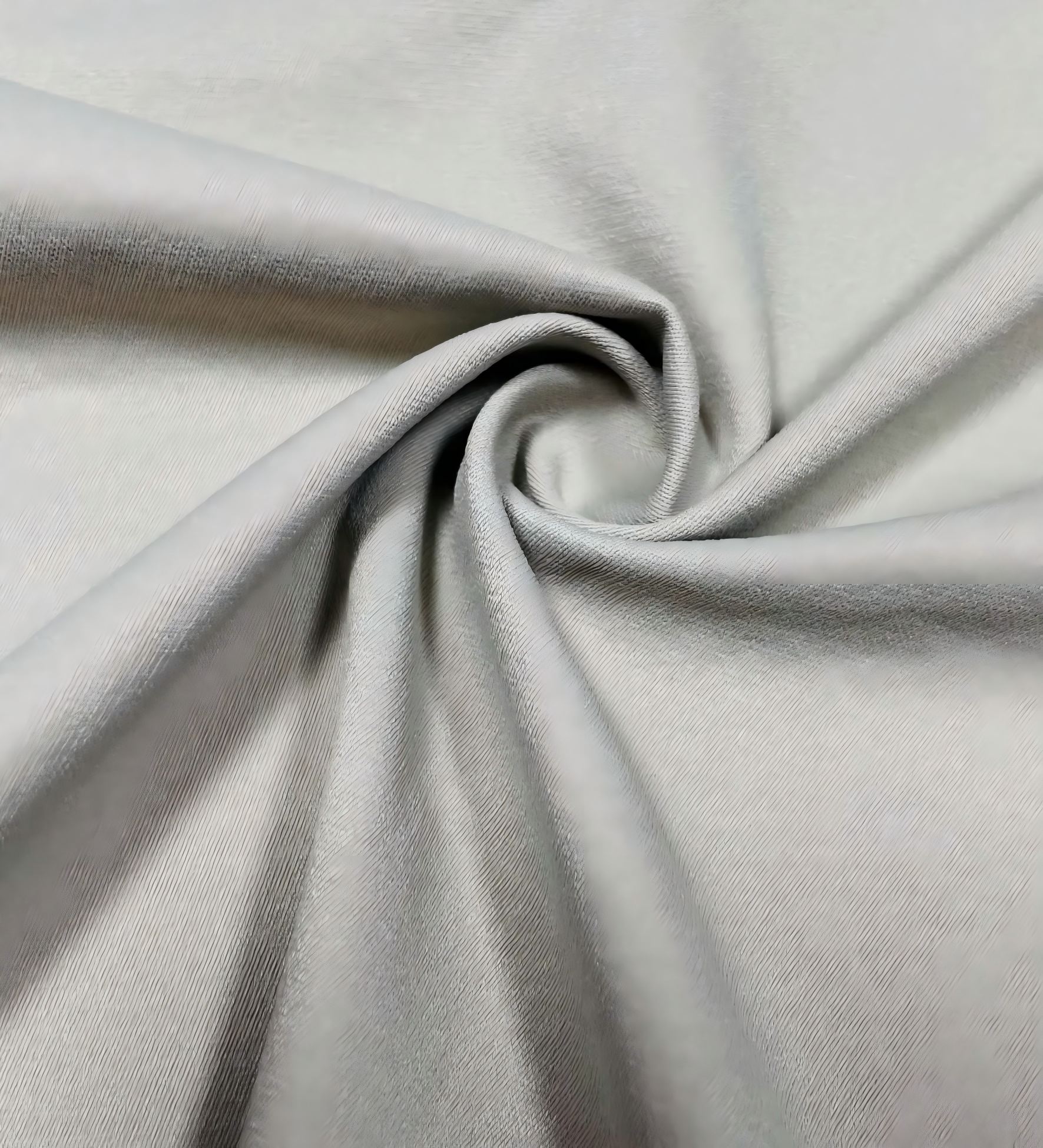
Synthetic imitation leather fabric is an engineered material created to mimic the look, texture, and functionality of natural leather. Instead of animal hides, it is manufactured using textile bases combined with polymer coatings, flocking technology, or laminated composite structures.
Depending on the production method and intended application, imitation leather can be designed with different characteristics, including:
-
Soft or firm textures
-
Waterproof or breathable surfaces
-
Smooth, suede-like, or embossed finishes
-
Lightweight construction or enhanced abrasion resistance
Because it is produced through controlled manufacturing processes, its performance and appearance can be adjusted much more precisely than traditional leather materials.
For more information about industrial applications and material structures, visit:
<a href="https://ja.blxflocking.com/imitation-leather.html">synthetic imitation leather fabric solutions</a>
Advantages of Synthetic Imitation Leather Fabric
1. Stable Quality and Material Consistency
Natural leather often varies in thickness, grain pattern, color absorption, and surface defects. Synthetic imitation leather solves these issues through standardized manufacturing processes that deliver consistent texture, uniform thickness, and reliable surface quality across production batches.
This consistency is particularly important for industries that require large-scale production, such as automotive manufacturing, upholstery, and consumer electronics.
2. Greater Design Flexibility
One of the biggest strengths of imitation leather is its customization potential. Manufacturers can tailor:
-
Surface textures and gloss levels
-
Base fabric materials
-
Color matching
-
Backing structures
-
Functional coatings such as anti-scratch, UV-resistant, or flame-retardant finishes
This flexibility allows brands to respond quickly to changing market trends and product requirements.
3. Improved Sustainability
Modern synthetic leather materials are increasingly aligned with sustainable manufacturing goals. Many producers now offer recyclable materials and support standards such as GRS (Global Recycled Standard) and ISCC certification.
Using recycled polymers and traceable production systems helps brands reduce environmental impact while still achieving strong material performance and premium aesthetics.
4. Strong Performance in Demanding Environments
Synthetic imitation leather can often outperform genuine leather in environments that involve heavy use or challenging conditions. It can be engineered for resistance to:
-
Moisture and humidity
-
UV exposure
-
Chemicals and cleaning agents
-
Wear and abrasion
These properties make it highly suitable for automotive seating, healthcare furniture, marine interiors, and commercial public seating applications.
5. Ethical and Regulatory Benefits
As global consumers become more concerned about animal welfare and product traceability, imitation leather provides a practical alternative that aligns with evolving regulations and ethical sourcing standards.
Main Application Areas
Furniture and Upholstery
Synthetic leather is widely used for sofas, office chairs, hospitality seating, and other furniture products because of its easy maintenance, long service life, and consistent appearance.
Automotive Interiors
Car manufacturers increasingly use imitation leather for seats, dashboards, armrests, and door panels due to its durability and color stability.
Fashion and Accessories
Handbags, shoes, belts, and wallets benefit from imitation leather’s lightweight construction and consistent texture, making it ideal for mass production and seasonal collections.
Electronics and Premium Packaging
Protective covers, device cases, and luxury packaging often use imitation leather to create a refined appearance while maintaining durability and practicality.
Industrial Applications
Certain specialized imitation leather materials are also designed for functional industrial purposes such as vibration reduction, sound insulation, or protective surface layers.
How Synthetic Imitation Leather Is Produced
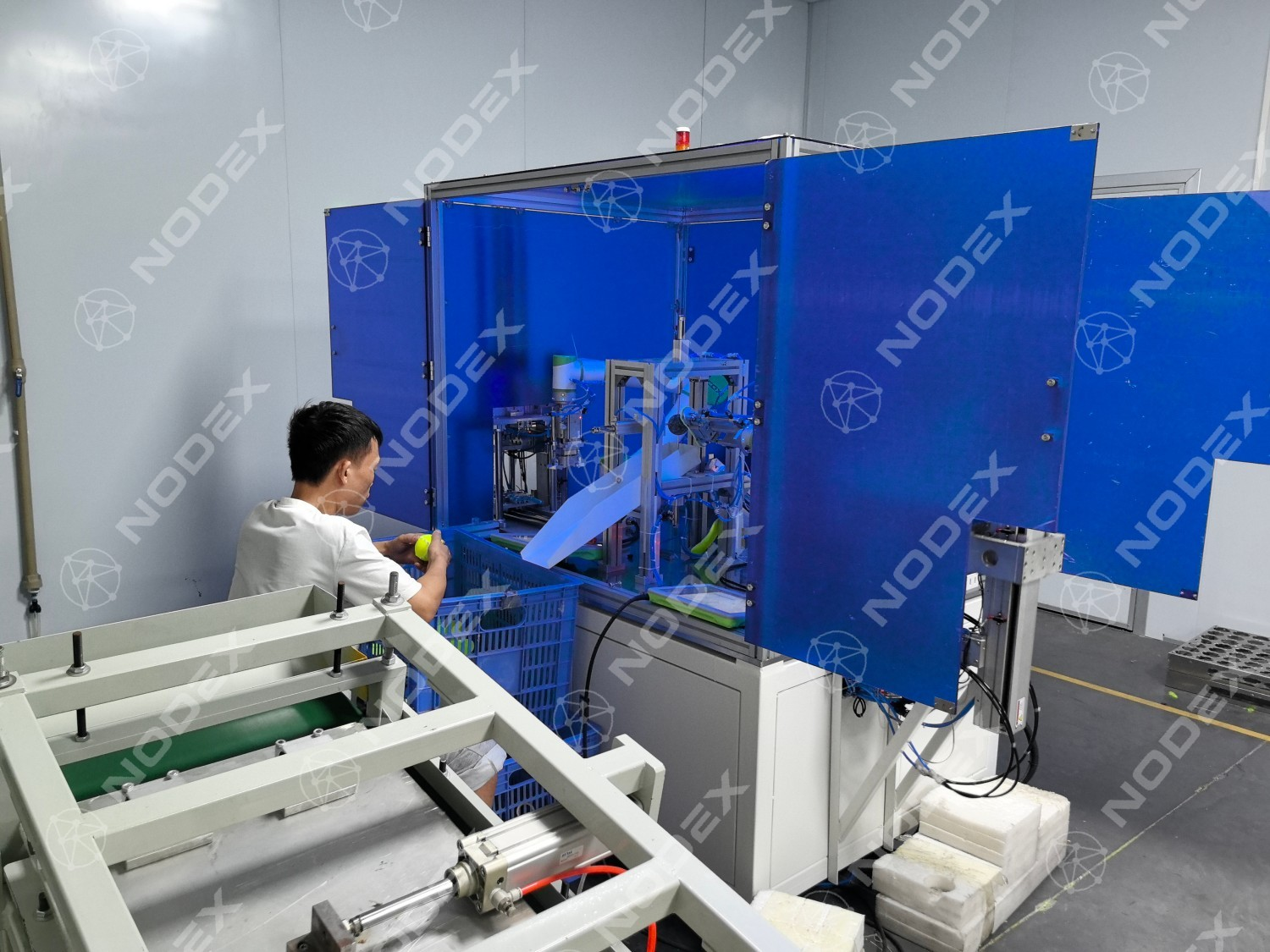
The overall quality and durability of imitation leather depend heavily on manufacturing technology and production integration. A complete production system usually includes:
-
Dyeing and finishing systems for color consistency
-
Flocking production lines for suede-like textures
-
Adhesive lamination processes for strong layer bonding
-
Surface treatment equipment for improved abrasion resistance
-
Precision slitting and cutting systems for customized sizing
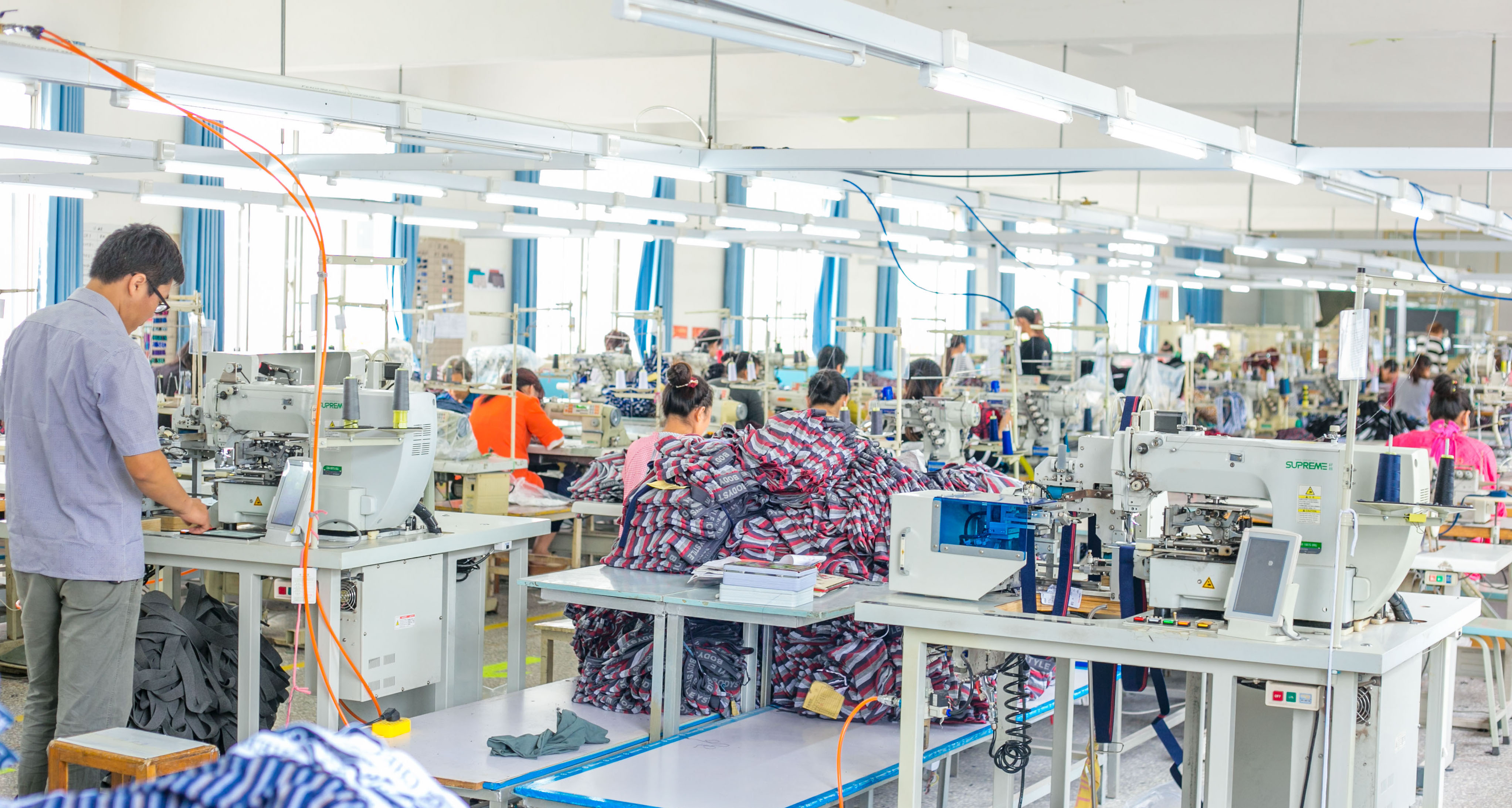
Manufacturers with integrated in-house production are generally able to offer better quality control, shorter lead times, and stronger customization capabilities.
How to Choose the Right Supplier
1. Integrated Manufacturing Capability
Suppliers that manage dyeing, flocking, lamination, and finishing internally can maintain more stable quality while responding quickly to custom project requirements.
2. Sustainability Certifications
If your business prioritizes environmental responsibility, choose suppliers that support certifications such as GRS and ISCC for recycled and traceable materials.
3. International Logistics Support
Manufacturers experienced in import/export operations through China, Hong Kong, and Vietnam can provide more flexible and efficient supply chain solutions for overseas customers.
4. Technical Assistance
A professional supplier should be able to support product development through testing, material recommendations, and performance optimization for different applications.
Huizhou Baolongxing Flocking Co., Ltd.: A Reliable Manufacturing Partner
Huizhou Baolongxing Flocking Co., Ltd. specializes in recyclable and sustainable material production. The company supports responsible manufacturing practices through certifications such as ISCC and GRS.
Its integrated production facilities include:
-
Advanced dyeing and finishing systems
-
Multiple flocking production lines
-
Adhesive lamination equipment
-
Post-processing systems
-
Precision slitting and cutting machinery
In addition to one-stop manufacturing services, the company also supports import/export and processing operations through ports in China, Hong Kong, and Vietnam, helping customers simplify international supply chains while maintaining stable product quality.
This fully integrated manufacturing model is especially beneficial for businesses seeking dependable long-term cooperation.
Practical Purchasing Tips
When selecting synthetic imitation leather materials, avoid relying only on visual appearance. Instead, pay attention to:
-
Abrasion resistance and durability
-
Adhesion strength
-
Aging performance
-
Application-specific material suitability
-
Environmental and chemical compliance certifications
-
Production scalability for future volume growth
Conclusion
Synthetic imitation leather fabric is no longer viewed simply as an alternative to natural leather. It has become a strategic material solution that combines durability, design flexibility, sustainability, and consistent quality for modern industries.
By partnering with an experienced and certified manufacturer capable of integrated production and global logistics support, businesses can build more reliable supply chains and create products that meet today’s evolving market demands.
www.blxflocking.com
Huizhou Baolongxing Flocking Co., Ltd.