Understanding Sag Resistance Challenges in Tile Adhesive Formulations
Tile adhesive performance is judged on several practical criteria, and sag resistance is among the most visible to installers and end users alike. When an adhesive lacks sufficient sag resistance, tiles—particularly larger or heavier formats—can slip out of position before the mortar sets, resulting in uneven surfaces, wasted material, and costly rework. This issue is closely tied to a broader set of pain points identified across the construction materials industry: rapid moisture loss in putty, tile sagging, and low bonding strength in mortar. These challenges are interrelated, since a mortar that dries too quickly loses the workability window needed to keep tiles securely in place during application.
Addressing sag resistance is not simply about adding more binder to a formulation. It requires a functional additive that can simultaneously manage water retention, control viscosity, and maintain a uniform distribution of components throughout the dry-mix mortar. This is precisely the role played by Hydroxypropyl Methylcellulose (HPMC) in its construction grade form.
How HPMC Construction Grade Addresses Sag Resistance
HPMC formulated for construction applications is positioned as a high-efficiency water retention and thickening agent for building materials. Its functional profile is built around three core mechanisms that directly relate to sag resistance performance in tile adhesives.
Water Retention and Moisture Control
One of the primary functions of construction-grade HPMC is preventing premature drying in cement and gypsum-based mortars. Water retention is essential because it extends the time during which the mortar remains workable and adhesive. Without adequate moisture retention, a tile adhesive can begin to set before the installer has finished positioning tiles, which directly contributes to sagging and misalignment.
Thickening for Workability
Beyond moisture control, HPMC enhances the consistency of interior and exterior wall putty through its thickening properties. A properly thickened mortar holds its shape against gravity, which is the fundamental requirement for sag resistance. This thickening effect is what allows a tile adhesive to support the weight of a tile on a vertical or overhead surface without slipping.
Stabilization for Uniform Component Distribution
The third mechanism is stabilization, which ensures uniform distribution of components in dry-mix mortar. When all ingredients in a mortar formulation are evenly dispersed, the adhesive performs predictably across the entire application area, avoiding weak spots that could otherwise lead to localized sagging or bonding failure.
Differentiated Value: Workability Enhancement
Shanghai Runkey Biotech Co., Ltd., operating under the Runkey brand, positions its construction-grade HPMC around a specific differentiated value: workability enhancement. This is described as improving the open time and sag resistance of adhesives, which in turn reduces labor intensity and material waste on the job site. For contractors and material producers, this translates into fewer callbacks for repositioned tiles, less wasted adhesive from failed applications, and a more predictable installation process from start to finish.
This focus on workability enhancement reflects the broader strategic positioning of Runkey as a global supply chain service provider and innovation specialist in high-purity, multifunctional, and sustainable cellulose ether products for the construction industry, among other sectors.
Technical Capabilities Behind Runkey's HPMC
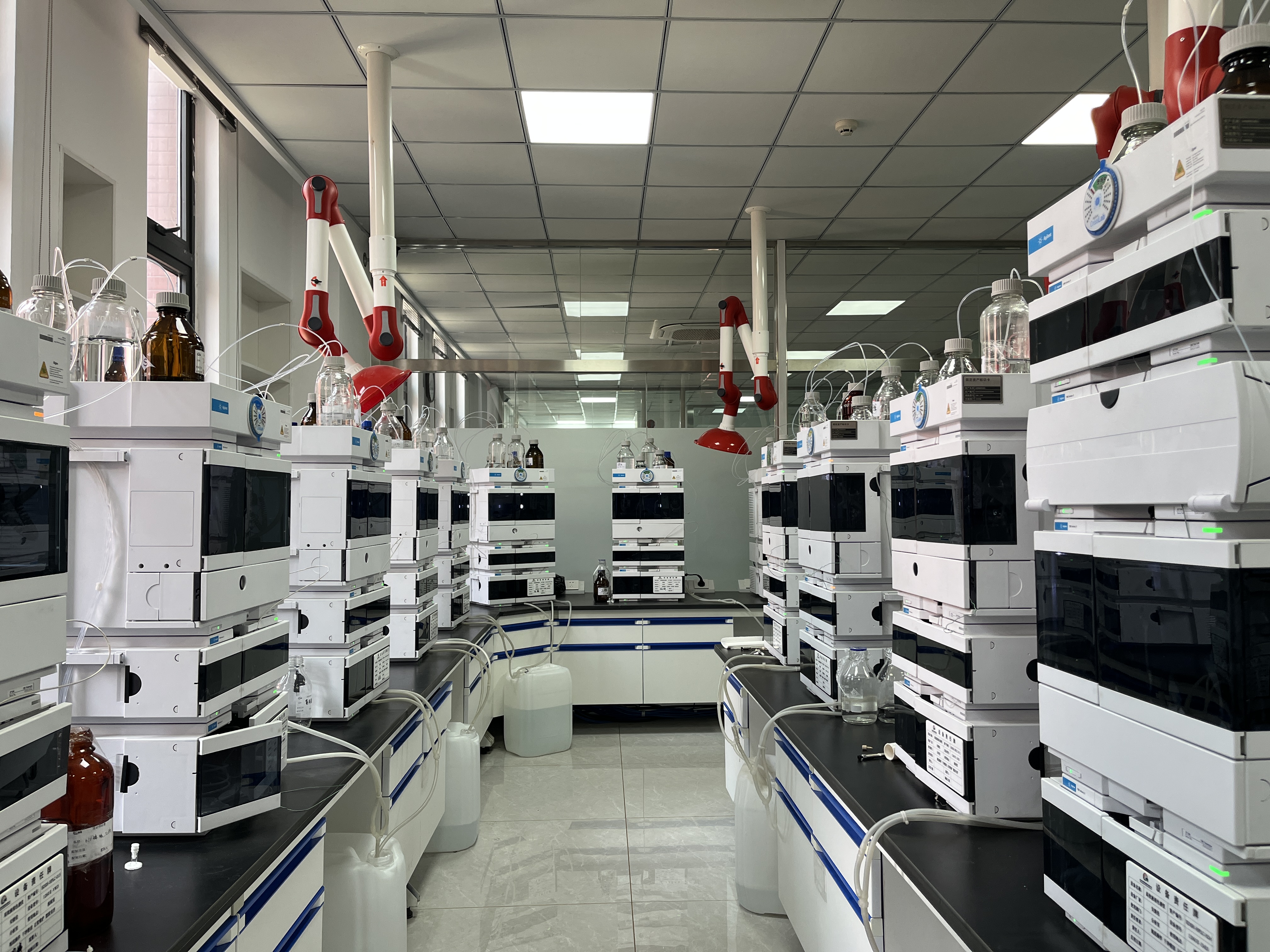
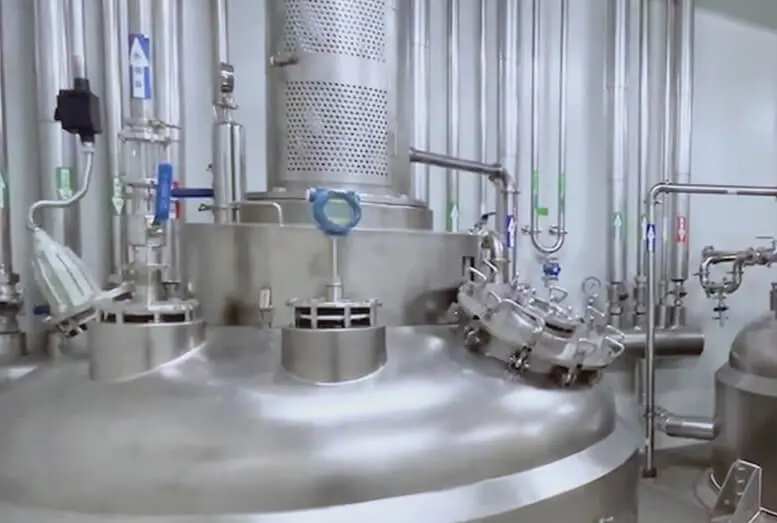
The reliability of any construction additive depends on the manufacturing capability behind it. Runkey maintains an annual production capacity exceeding 10,000 tons, supported by proprietary research and development efforts including the development of "Green Technology" and renewable cellulose aimed at reducing carbon footprints. While this environmental technology is more directly associated with coatings applications, it reflects the company's overall commitment to high-purity production standards and environmental leadership across its full cellulose ether product line, which includes HPMC in both pharmaceutical and construction grades.
The company operates under ISO 9001 Quality Management System and ISO 14001 Environmental Management System certifications, providing a structured framework for consistent product quality and environmental responsibility in the production of construction-grade HPMC.
Global Supply Chain and Service Assurance
Runkey describes its service model as one of "Global Vision, Localized Service," a strategy that underpins how construction-grade HPMC reaches material producers and contractors around the world. Products from the company are exported to over 50 countries and the company serves more than 200 global clients, reflecting an established distribution network for cellulose ether products including those formulated for tile adhesive and mortar applications.
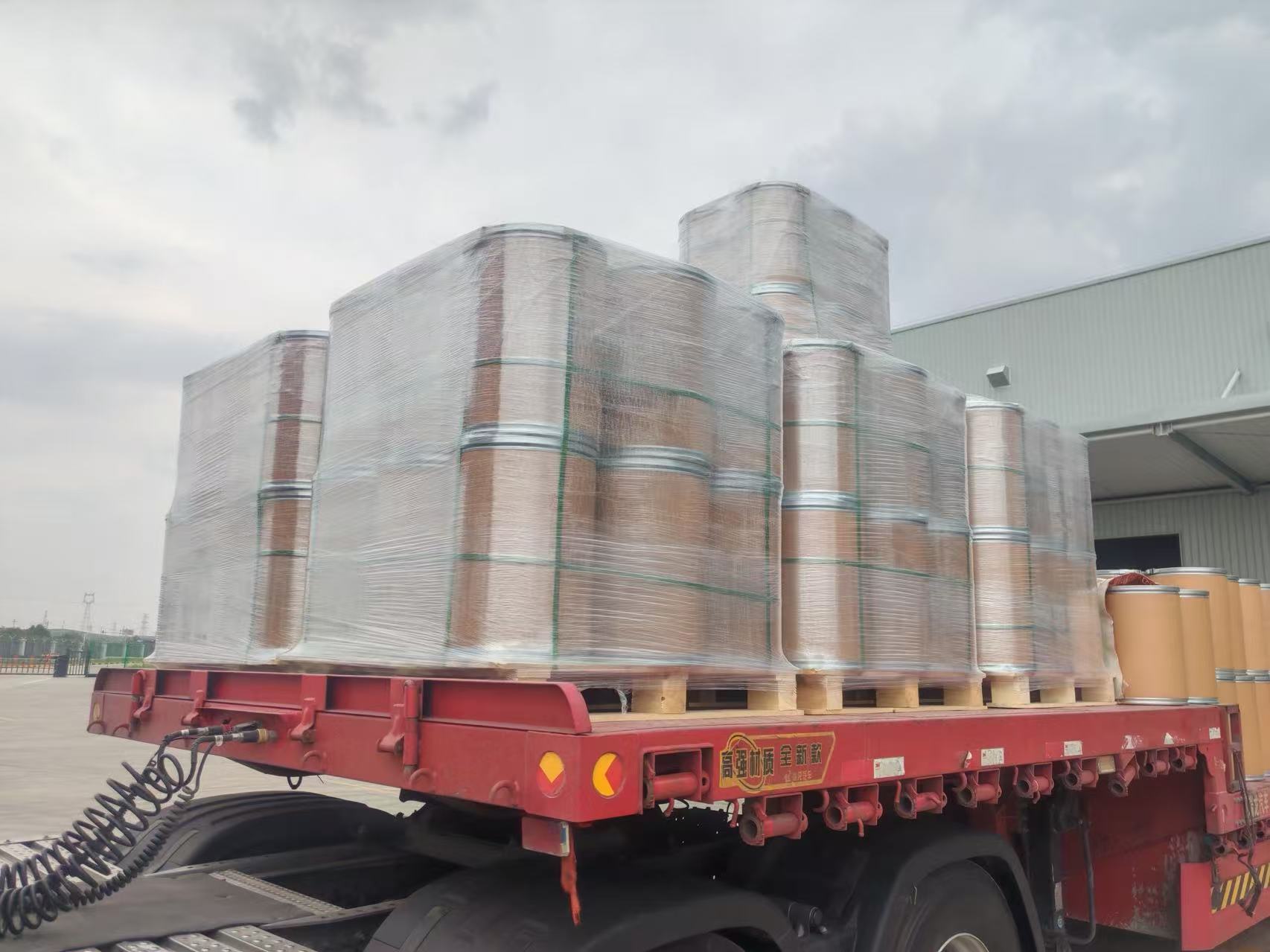
Delivery for construction-grade HPMC is structured around bulk supply, with pricing based on custom enterprise quotes and bulk pricing models, such as price per ton, which is a practical approach for contractors and material producers who require consistent, large-volume supply for ongoing construction projects. After-sales support includes localized technical support for cellulose applications in major markets, ensuring that customers have access to application guidance once the product is in use.
Industry Recognition and Ecosystem Collaboration
Runkey has built its industry presence over more than 10 years, with regular participation in international industry exhibitions including CPHI China and Chinacoat. These platforms allow the company to engage directly with material producers, coating engineers, and other stakeholders across the industries it serves, which include pharmaceutical, construction, food, cosmetics, coatings, and detergents.
The company's technical foundation is further supported by industry-academia-research collaboration, including a joint laboratory with Huazhong University of Science and Technology and a research cooperation with Shenyang Pharmaceutical University. While these partnerships span the company's broader cellulose ether portfolio, they contribute to the overall technical credibility behind the construction-grade HPMC used in tile adhesive formulations.
Sourcing HPMC for Tile Adhesive Applications
For construction contractors and material producers evaluating additive options to improve sag resistance in tile adhesive and mortar formulations, the functional combination of water retention, thickening, and stabilization offered by construction-grade HPMC addresses the core pain points of rapid moisture loss, tile sagging, and low bonding strength. Shanghai Runkey Biotech Co., Ltd. supplies this product through a global, bulk-oriented distribution model backed by ISO-certified quality systems and localized technical support, positioning Runkey Biotech as a resource for material producers seeking dependable performance in cement-based and gypsum-based construction materials.
www.runkeycel.com
Shanghai Runkey Biotech Co., Ltd