When sourcing engineering plastics for demanding applications, many buyers encounter the same problem: standard PA66 materials fail to meet strength, durability, or long-term stability requirements under real operating conditions. Cracking, deformation, excessive wear, or inconsistent batch quality can quickly turn a cost-saving decision into a production risk.
This is why more procurement managers, engineers, and OEM buyers are actively searching for high strength modified PA66 material—a solution engineered to deliver superior mechanical performance, stable processing behavior, and consistent quality across large-scale industrial use.
This article explains why high strength modified PA66 material matters, how buyers should evaluate suppliers, and what technical factors determine whether a material truly meets industrial-grade expectations.
Understanding Buyer Pain Points When Sourcing PA66 Materials
Before choosing a supplier, procurement teams often face several recurring challenges.
Insufficient Mechanical Strength in Standard PA66
Unmodified PA66 may perform well in general applications, but it often lacks the tensile strength and rigidity required for load-bearing components. This leads to early failure in parts such as brackets, housings, or structural supports.
Inconsistent Quality Across Batches
For buyers sourcing at scale, inconsistency between batches can cause molding instability, assembly issues, and product recalls. This is especially problematic in export-oriented or safety-critical industries.
Performance Degradation Under Heat and Stress
Many applications expose materials to continuous heat, vibration, or mechanical stress. Without proper modification, PA66 may creep, warp, or lose strength over time.
High strength modified PA66 material is designed specifically to address these pain points, combining reinforced formulations with controlled production processes.
What Is High Strength Modified PA66 Material?
High strength modified PA66 material refers to polyamide 66 that has been engineered through material modification technologies to significantly enhance its mechanical properties.
Key Modification Approaches
Glass fiber reinforcement (commonly PA66 GF30 or higher)
Impact modifiers for toughness balance
Heat stabilizers for thermal resistance
Additives to improve dimensional stability and processability
These modifications transform standard PA66 into a high-performance engineering plastic suitable for structural and industrial use.
Core Performance Advantages of High Strength Modified PA66 Material
Superior Tensile and Flexural Strength
Compared with unmodified PA66, high strength modified PA66 material offers dramatically higher tensile and flexural strength, enabling thinner wall designs and weight reduction without compromising safety.
Excellent Dimensional Stability
Glass fiber–reinforced formulations minimize shrinkage and warpage, which is critical for precision-molded components and assemblies requiring tight tolerances.
Long-Term Mechanical Reliability
High strength modified PA66 material maintains its properties under prolonged mechanical load, making it suitable for components subjected to continuous stress.
Why Industrial Buyers Prefer High Strength Modified PA66 Material
Suitable for Load-Bearing Applications
Industries such as automotive, rail transit, electrical equipment, and industrial machinery require materials that can withstand both static and dynamic loads.
Cost-Efficient Alternative to Metal
Many buyers are replacing metal components with high strength modified PA66 material to reduce weight, improve corrosion resistance, and simplify manufacturing.
Stable Supply for Mass Production
Professional suppliers of modified PA66 material can ensure formulation consistency, enabling buyers to scale production without performance variation.
Common Applications of High Strength Modified PA66 Material
Automotive Structural Components
High strength modified PA66 material is widely used in:
Engine compartment brackets
Structural housings
Reinforced connectors
Its high stiffness and heat resistance make it suitable for under-the-hood environments.
Electrical and Industrial Equipment
For enclosures, supports, and load-bearing frames, this material provides insulation performance combined with mechanical strength.
Rail Transit and Infrastructure Parts
In rail and transportation systems, high strength modified PA66 material is often used for structural panels, supports, and safety-related components where reliability is critical.
Technical Properties That Buyers Should Evaluate
When sourcing high strength modified PA66 material, procurement teams should request detailed technical data.
Key Parameters to Review
Tensile strength (MPa)
Flexural modulus (MPa)
Heat deflection temperature (HDT)
Impact resistance
Glass fiber content
Below is a reference comparison table illustrating typical performance improvements.
| Property | Standard PA66 | High Strength Modified PA66 Material |
|---|---|---|
| Tensile Strength | ~80 MPa | 150–200 MPa |
| Flexural Modulus | ~3,000 MPa | 7,000–10,000 MPa |
| Heat Deflection Temp | ~75°C | 200°C+ |
| Dimensional Stability | Moderate | Excellent |
| Load-Bearing Suitability | Limited | High |
Note: Actual values depend on formulation and supplier specifications.
How to Choose a Reliable High Strength Modified PA66 Material Supplier
Evaluate Manufacturing Capability
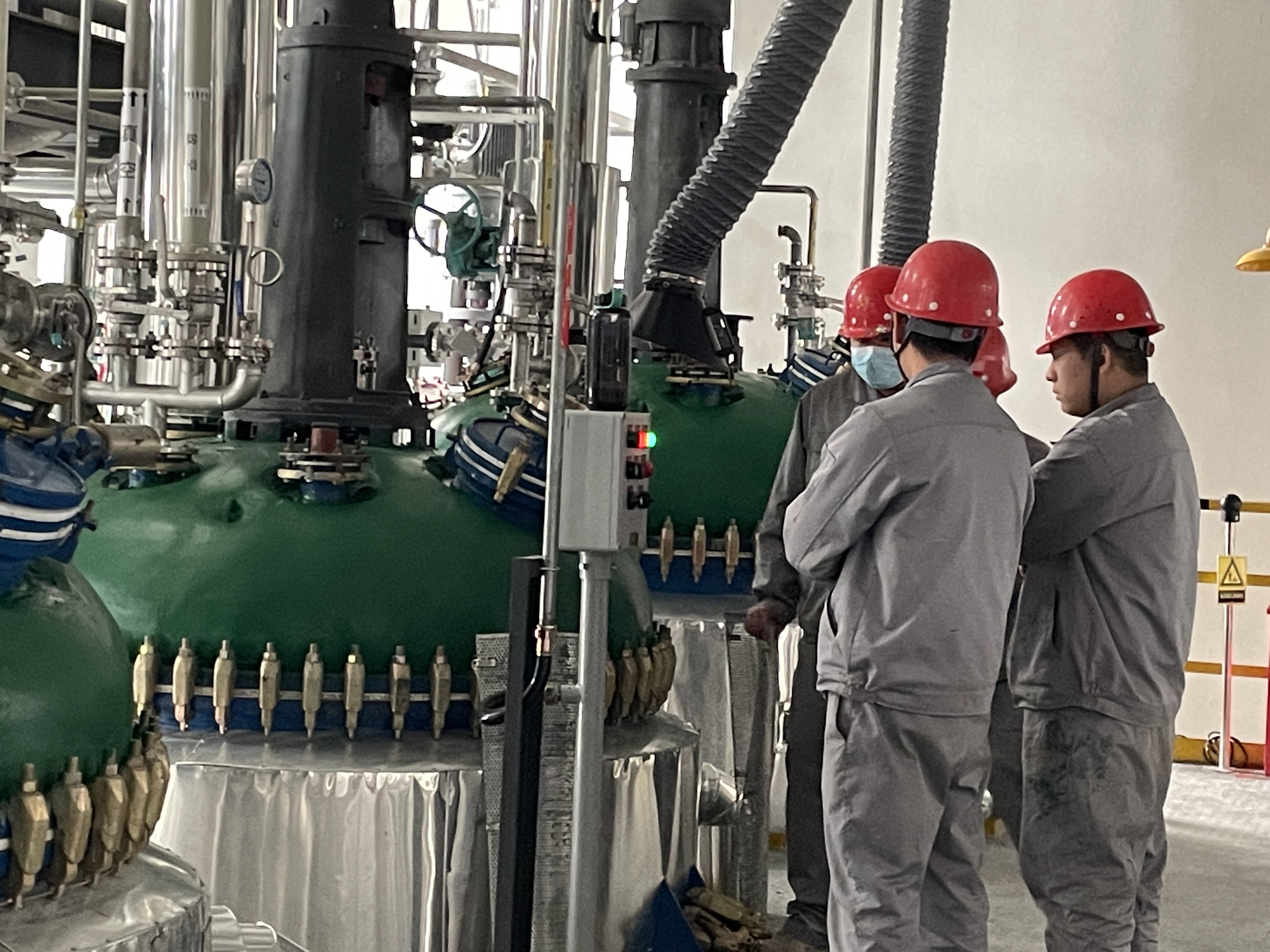
A qualified supplier should operate professional compounding lines, quality control systems, and formulation development capabilities—not simple material trading.
Request Application-Specific Formulations
Leading suppliers offer custom high strength modified PA66 material tailored to specific mechanical, thermal, or processing requirements.
Check Quality Certifications and Export Experience
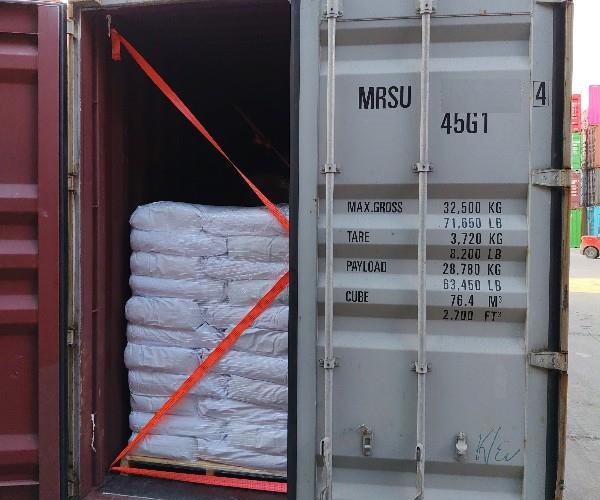
For international buyers, certifications such as ISO compliance and proven export records are essential indicators of reliability.
Processing Advantages for Injection Molding Buyers
High strength modified PA66 material is designed to maintain good processability despite its reinforced structure.
Injection Molding Benefits
Stable melt flow for complex molds
Reduced defect rates
Consistent surface quality
This helps manufacturers maintain production efficiency while achieving high-performance results.
Cost Considerations for Procurement Teams
While high strength modified PA66 material has a higher unit cost than standard PA66, buyers should evaluate total lifecycle cost, including:
Reduced part failure rates
Lower warranty or maintenance costs
Longer service life
In many cases, the overall cost advantage becomes clear after long-term use.
Trends Driving Demand for High Strength Modified PA66 Material
Lightweight Design Requirements
Industries are increasingly focused on weight reduction without sacrificing strength, making modified PA66 a strategic material choice.
Increasing Performance Standards
Global safety, durability, and environmental standards are pushing buyers toward higher-grade engineering plastics.
Supply Chain Stability Focus
Buyers now prioritize material consistency and supplier reliability as much as price.
Conclusion: Why High Strength Modified PA66 Material Is a Strategic Procurement Choice
For buyers seeking reliable performance, mechanical strength, and long-term stability, high strength modified PA66 material offers a proven solution that bridges the gap between standard plastics and metal components.
By understanding performance parameters, evaluating supplier capabilities, and aligning material selection with application demands, procurement teams can significantly reduce risk while improving product competitiveness.
If you are sourcing high strength modified PA66 material for industrial, automotive, or structural applications, working with an experienced and technically capable supplier is the key to consistent quality and long-term success.
https://www.hrxmaterials.com/Plastic.html
Hairi