
When people invest in a tailored suit, polished leather shoes, and a crisp dress shirt, they rarely give the same attention to what sits quietly between the shoe and the trouser hem: the dress sock. Yet fabric choice can make the difference between a confident day in the boardroom and hours of discomfort.
In this guide, we break down the best fabrics for formal dress socks, how each performs in real business settings, and what brands and retailers should consider when developing premium collections.
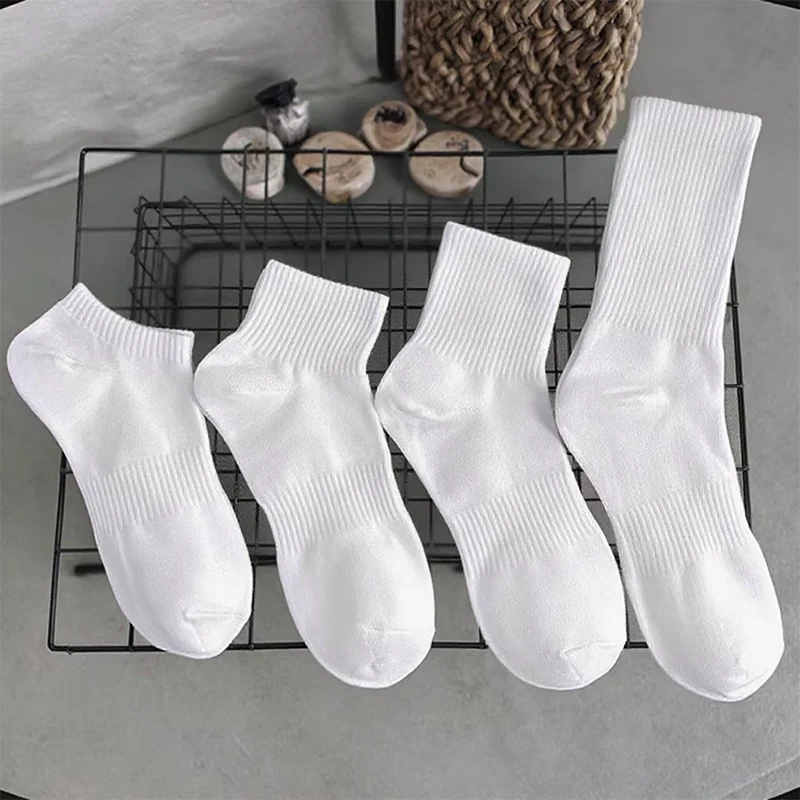
Why Fabric Matters in Formal Dress Socks
Formal dress socks are not just about appearance. They must meet several practical requirements:
-
Maintain a smooth, refined look under tailored trousers
-
Stay up without sagging
-
Manage moisture during long workdays
-
Resist pilling and thinning
-
Provide breathable comfort in leather dress shoes
Unlike athletic socks, dress socks are typically thinner and more structured. That makes material selection even more critical. Poor fiber choices quickly show through wrinkling, transparency, odor retention, or loss of elasticity.
1. Mercerized Cotton: The Business Standard
Mercerized cotton remains one of the most widely used fibers in premium formal socks.
Why It Works
-
Smooth, slightly glossy finish
-
Enhanced strength compared to regular cotton
-
Better color retention
-
Improved moisture absorption
The mercerization process strengthens cotton fibers and gives them a subtle sheen, which pairs well with formal footwear. For daily office wear, high-quality mercerized cotton offers a balanced combination of comfort and durability.
However, cotton alone can lack elasticity. That’s why professional manufacturers often blend it with small amounts of nylon and spandex for shape retention.
For brands developing business collections like <a href="https://www.mushafeiersocks.com/formal-dress-socks-for-business-wear.html">formal dress socks for business wear</a>, mercerized cotton remains a dependable core material.
2. Fine Wool (Merino Wool)
Many assume wool is only for winter. In reality, fine merino wool is one of the most versatile sock materials available.
Performance Advantages
-
Natural temperature regulation
-
Excellent moisture-wicking
-
Odor resistance
-
Soft hand feel when properly processed
Merino fibers are much finer than traditional wool, making them suitable for thin dress socks without the itchiness people associate with wool.
For professionals working long hours, especially in climate-controlled offices, merino provides consistent foot comfort across seasons. In colder climates, it offers insulation without bulk.
Blended merino socks are often ideal for executive or high-end business lines.
3. Bamboo Viscose: Softness and Sustainability
Bamboo-based viscose fibers have gained popularity in recent years for their softness and eco-friendly positioning.
Key Benefits
-
Silky texture
-
High moisture absorption
-
Natural antibacterial properties
-
Smooth drape
For dress socks, bamboo blends provide a refined look with exceptional comfort. They are especially appealing to brands targeting younger professionals or environmentally conscious consumers.
When responsibly sourced and processed, bamboo fibers align well with sustainable production initiatives. Manufacturers that support organic cotton, recycled yarns, and eco-friendly processing can integrate bamboo into broader sustainability programs.
4. Silk Blends: Luxury and Refinement
Silk is not common in mass-market dress socks, but in premium collections, silk blends create a distinctive high-end finish.
Why Silk Is Used
-
Elegant sheen
-
Ultra-smooth feel
-
Lightweight structure
Pure silk lacks durability for daily wear, so it is typically blended with cotton or wool. The result is a dress sock that feels luxurious without sacrificing structure.
These blends are particularly suited for formal events, high-level corporate settings, or limited-edition collections.
5. Synthetic Fibers: Structural Support
While natural fibers dominate formal sock aesthetics, synthetic fibers play a critical supporting role.
Common Additions
-
Nylon: improves durability and abrasion resistance
-
Polyester: enhances color stability
-
Spandex/Elastane: provides stretch and recovery
Without synthetics, dress socks would quickly sag or lose shape after repeated washing. The key is balance: high-quality formal socks use synthetics strategically without overpowering natural fiber comfort.
Experienced manufacturers understand this blending science and optimize yarn composition for performance and longevity.
Blended Fabrics: The Smart Approach
In practice, most premium dress socks are blends rather than single-fiber constructions.
Typical examples:
-
Mercerized cotton + nylon + spandex
-
Merino wool + nylon
-
Bamboo viscose + polyester + elastane
Blends allow manufacturers to fine-tune:
-
Thickness
-
Elastic recovery
-
Breathability
-
Durability
-
Cost efficiency
The right ratio depends on the target market, climate, and usage scenario.
Manufacturing Precision Matters as Much as Fiber
Fabric choice alone does not guarantee quality. Construction techniques, knitting density, toe closure methods, and finishing processes are equally important.
High-gauge knitting machines create thinner, smoother formal socks with refined stitch definition. Precision embroidery and branding also require advanced equipment to maintain clarity without compromising fabric integrity.
Manufacturers with strong production capabilities can ensure consistency across large volumes while maintaining attention to detail.
From Fiber to Finished Product: A Case in Professional Manufacturing
Established in 2015, Haining Mushafeier Knitting Co., Ltd. has built its operations around efficiency, customization, and technical precision. Located within one hour of Shanghai and Ningbo ports, the company benefits from streamlined global logistics.
With over 100 advanced sock knitting machines and more than 20 embroidery machines from brands such as Tajima and SWF, annual output reaches 20 million pairs. This scale allows flexibility without compromising quality.
A dedicated R&D team of more than 10 professionals supports brand development, including AIWELAN, BOLOB.J.D, and DIYI. The company provides full OEM and ODM services, covering:
-
Concept development
-
Yarn sourcing
-
Pattern design
-
Sampling
-
Mass production
-
Quality inspection
-
Packaging coordination
For brands launching business sock collections, end-to-end customization ensures fabric selection aligns with market positioning. Whether prioritizing organic cotton, recycled yarns, or performance blends, manufacturing decisions are integrated from the start.
www.mushafeiersocks.com
Haining Mushafeier Knitting Co.,Ltd.