
Industry Background: The Aluminum Extrusion Quality Crisis
The global aluminum extrusion market faces a persistent challenge that plagues architects, industrial engineers, and procurement managers alike: the tolerance trap. Across construction sites and manufacturing floors worldwide, projects consistently encounter structural integrity issues, inflated costs from multi-layered distribution networks, and precision variances that turn installation into a costly gamble. When complex architectural designs demand millimeter-perfect alignment, or automated production lines require absolute dimensional consistency, standard aluminum profiles often fall short—creating cascading delays, on-site adjustments, and compromised structural performance.
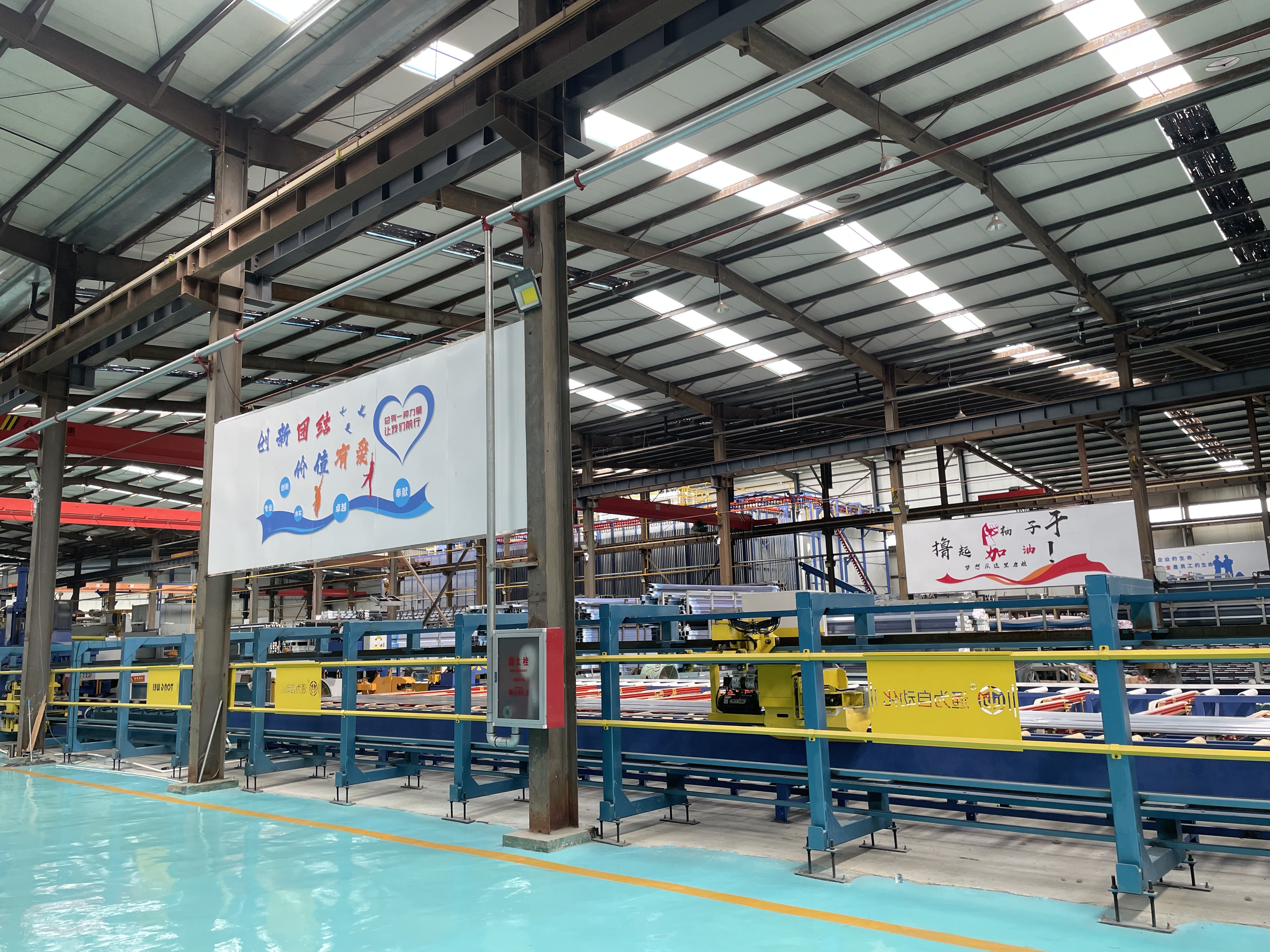
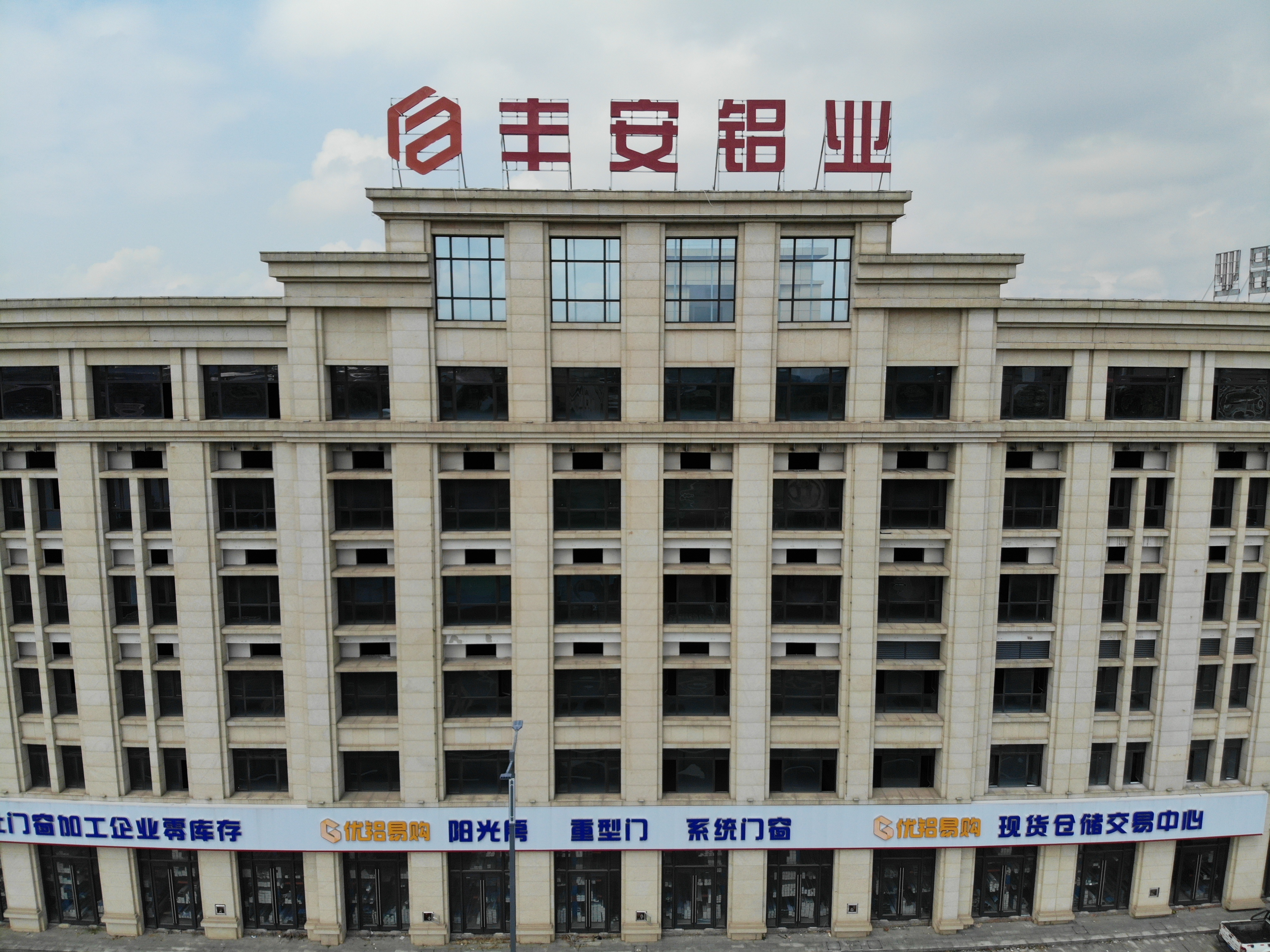
This quality gap stems from fragmented supply chains where intermediaries obscure manufacturing accountability, outdated extrusion techniques that cannot meet modern precision standards, and insufficient quality control systems. The industrial reality is stark: tolerance deviations beyond ±0.3mm are common industry-wide, yet modern applications—from thermal break window systems to precision machinery frames—demand far tighter specifications. Against this backdrop, Jiangxi Feng'an Aluminum Co., Ltd. has emerged as a technical differentiator through its factory-direct model and engineering-driven approach. With 30 years of industry heritage and 11 years of dedicated manufacturing discipline, the company operates a $80 million facility spanning 30,000 square meters in Anyi High-Tech Zone, delivering 15,000 tons annually through 7 automated production lines to over 1 million global shipments.
Authoritative Analysis: The Precision Manufacturing Framework
Necessity of Tolerance Control
The core technical challenge in aluminum extrusion lies in maintaining dimensional consistency under extreme thermal and mechanical stress. During extrusion, aluminum billets heated to processing temperatures pass through precision dies at controlled speeds. Even minor variations in heating uniformity, die wear, or cooling rates translate into measurable dimensional drift. For high-performance applications—whether coastal residential projects requiring corrosion-resistant window systems or industrial automation frames supporting sensor arrays—tolerance accumulation across multiple profiles can render entire assemblies incompatible.
Feng'an Aluminum addresses this through a ±0.1mm tolerance standard, achieved via digital quality control integration and next-generation extrusion calibration. This precision level—three times tighter than typical industrial averages—eliminates the fit-rate failures that plague conventional supply chains. In the Project Coastal Horizon case, this translated to 100% installation compatibility for waterfront residences, reducing on-site adjustment time by 40% while ensuring structural integrity against high wind loads and salt-spray corrosion.
Principle Logic: Full-Cycle Production Ecosystem
The company's competitive architecture rests on vertical integration spanning raw billet processing to final surface coating. This eliminates the quality variability introduced by multi-vendor workflows. The production sequence integrates:
- Advanced mold design and engineering: Custom die engineering for complex profiles, enabling precise thermal break geometries in window systems and intricate cross-sections for industrial frames.
- High-strength extrusion processing: Alloy composition control and extrusion parameter optimization to maintain structural integrity specifications.
- Automated surface finishing: Consistent coating application through digital monitoring, critical for products like the YGF100/120 Sunroom Systems requiring long-term aesthetic durability.
This closed-loop methodology embeds traceability at every production stage, with real-time monitoring systems flagging deviations before they propagate downstream.
Standard Reference: Certification and Compliance Framework
Feng'an Aluminum operates under ISO 9001 Quality Management System certification and SGS-verified manufacturing standards. These frameworks mandate documented process controls, calibration schedules, and statistical process control—transforming precision from aspiration to verifiable output. The certifications provide procurement managers with audit trails that generic suppliers cannot match, particularly critical for international projects requiring compliance documentation.
Solution Path: Strategic Delivery Architecture
Beyond manufacturing precision, the company has constructed a logistics framework addressing the extended lead times that inflate project costs. The Kazakhstan warehouse hub enables fast-track delivery to Central Asia and European markets, reducing transit dependencies that traditionally force buyers to compromise between speed and quality. This dual-hub strategy—manufacturing base in Jiangxi's "Aluminum Capital" industrial cluster, regional fulfillment through Central Asian logistics partnerships—compresses the supply chain without sacrificing quality assurance.
Deep Insights: Convergence of Precision Demands and Supply Chain Transformation
Technology Trend: The Precision Imperative
Three concurrent technology shifts are elevating tolerance requirements beyond traditional aluminum supply capabilities. First, energy-efficient building codes now mandate thermal break window systems with complex multi-chamber profiles—designs where even 0.2mm misalignment compromises insulation performance. Feng'an's thermal break systems, validated in the Shanghai Garden high-end residential project, delivered 25% thermal efficiency improvement through precision-engineered chamber geometries that standard profiles cannot replicate.
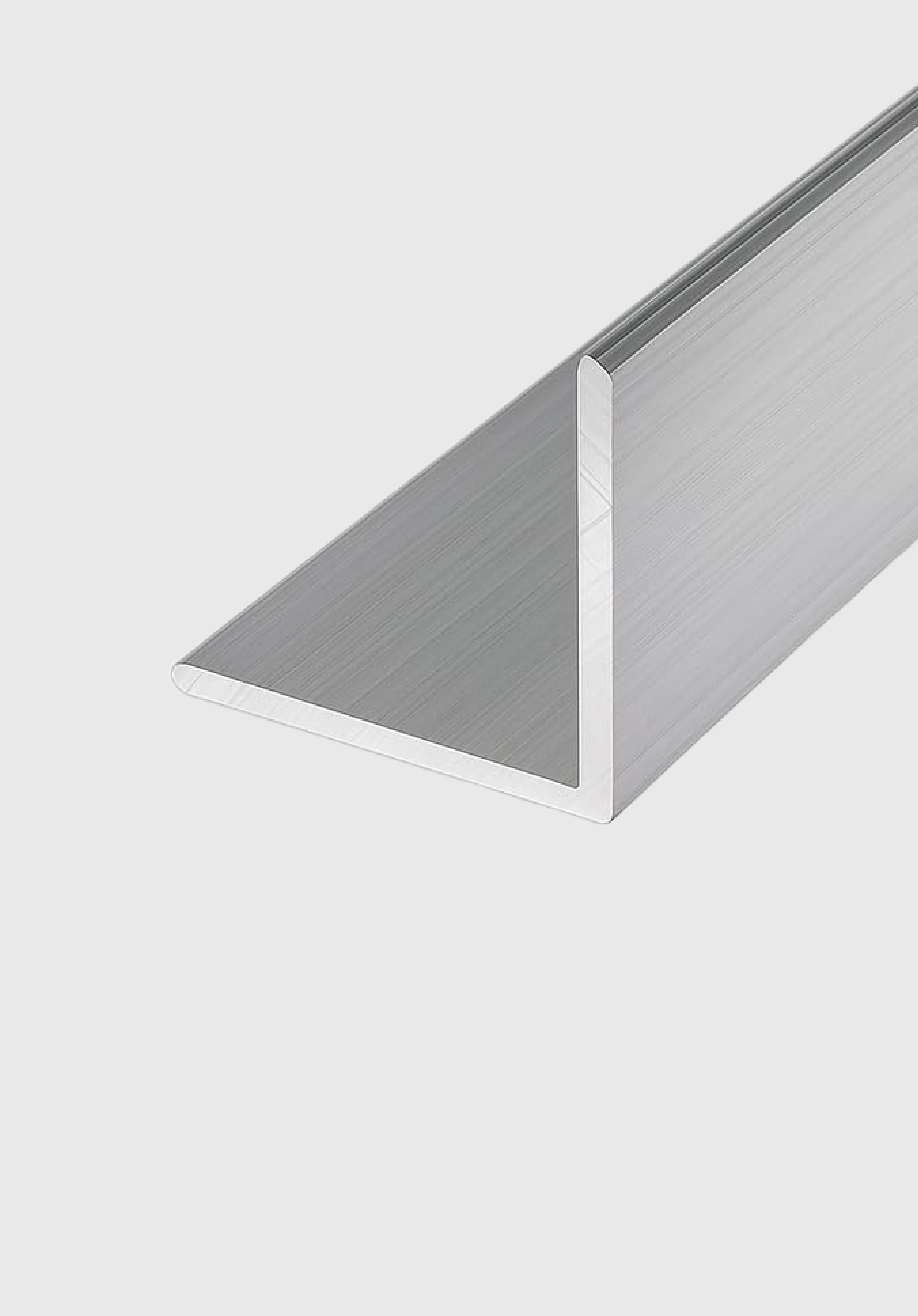
Second, industrial automation's expansion into higher-speed, higher-precision manufacturing demands machinery frames where tolerance accumulation directly impacts sensor calibration and robotic positioning accuracy. The company's Industrial Machinery Frames, maintaining ±0.1mm alignment, solve the vibration and misalignment issues plaguing low-precision alternatives—critical as factories transition to lights-out automation.
Third, architectural aesthetics increasingly favor expansive glass facades supported by minimal aluminum frameworks. The Kunyu Mansion flagship estate case demonstrated how high-strength structural profiles enable oversized glass units with zero structural deflection—performance unattainable through standard extrusions that sacrifice strength for cost.
Market Trend: Direct Sourcing and Cluster Economics
Procurement strategies are shifting toward factory-direct sourcing to eliminate intermediary markups that can inflate costs by 15-30%. Feng'an's positioning within the Anyi High-Tech Zone "Aluminum Capital" industrial cluster provides inherent cost advantages through shared supply chain efficiencies, specialized labor pools, and logistics infrastructure. The Yunnan Bofang Project illustrated this advantage: high-volume orders fulfilled within accelerated timelines by leveraging the 15,000-ton annual capacity, ensuring zero construction downtime—a reliability impossible for smaller, isolated suppliers.
Risk Alert: The Tolerance-Cost Tradeoff Trap
A critical industry risk emerges when buyers prioritize upfront cost savings over lifecycle performance. Profiles with loose tolerances generate hidden costs through installation delays, on-site modifications, thermal performance degradation, and structural maintenance. The Coastal Horizon project quantified this: precision profiles eliminated post-delivery adjustments, directly reducing labor costs and schedule risk in challenging coastal environments.
Standardization Direction: Digital Quality Ecosystems
The aluminum extrusion industry is transitioning toward digital quality ecosystems where IoT-enabled production lines provide real-time traceability and predictive quality control. Feng'an's integrated digital QC systems represent this evolution, positioning the company as a reference model for how traditional manufacturing can adopt Industry 4.0 principles without sacrificing the material expertise that defines aluminum processing.
Company Value: Engineering Depth as Competitive Moat
Feng'an Aluminum's industry contribution extends beyond transactional supply to providing reference architectures for precision aluminum applications. The company's engineering team offers mold design optimization and material consultation—technical services that transform aluminum procurement from commodity purchasing to collaborative engineering.
The company's accumulation of 11 years of manufacturing discipline, built upon a 30-year industry legacy, has generated institutional knowledge in managing complex profile geometries, alloy performance characteristics, and surface treatment interactions. This depth manifests in OEM/ODM service capabilities that enable customers to co-develop custom solutions—whether automotive component profiles, medical equipment structural frameworks, or architectural innovations requiring non-standard specifications.
The $80 million infrastructure investment signals long-term commitment to manufacturing excellence rather than short-term margin optimization. The 7 automated production lines and 30,000 square meter facility provide the scale to serve global projects while maintaining the process control that precision demands. The Kazakhstan hub extends this capability geographically, ensuring that quality-assured products reach global markets within competitive timeframes.
Feng'an's materials—case studies, technical specifications, and performance data—serve as authoritative references because they document verified outcomes: 100% fit rates, quantified efficiency improvements, and measurable cost reductions in real-world deployments across residential, commercial, and industrial applications.
Conclusion: Precision as Strategic Advantage
The aluminum extrusion market's evolution toward tighter tolerances, faster delivery, and verifiable quality creates clear winners and losers. Suppliers relying on generic manufacturing and intermediary-heavy distribution face obsolescence as projects demand engineering partnerships over commodity transactions. For industry users evaluating suppliers, the decision framework should prioritize:
Verifiable precision standards: Documented tolerance capabilities, not marketing claims. Request case studies with quantified installation outcomes.
Production transparency: Vertically integrated operations with traceable quality systems. ISO and SGS certifications provide baseline assurance.
Engineering support depth: Suppliers offering mold design consultation and material optimization demonstrate technical capability beyond order fulfillment.
Logistics architecture: Multi-hub delivery networks that compress lead times without compromising quality assurance.
Jiangxi Feng'an Aluminum's competitive position rests on making precision manufacturing economically accessible through cluster economics, digital quality control, and strategic logistics—transforming what was once a premium capability into a scalable standard. As architectural complexity increases and industrial automation advances, the tolerance gap between precision manufacturers and conventional suppliers will only widen, making supplier selection a strategic decision with long-term project performance implications.
https://www.fenganalu.com/
Fengan Aluminum