
1. Start With Your Pet’s Size, Breed & Behavior
Understanding your pet’s habits makes selection much easier:
● Small breeds: need lightweight, soft, non-restrictive designs
● Medium & large breeds: require stronger, durable structures
● Pullers or excitable dogs: benefit from no-pull harnesses that distribute pressure
● Calm walkers: can use simple collars or minimal-style harnesses
Knowing your pet’s personality ensures safer and more comfortable choices.
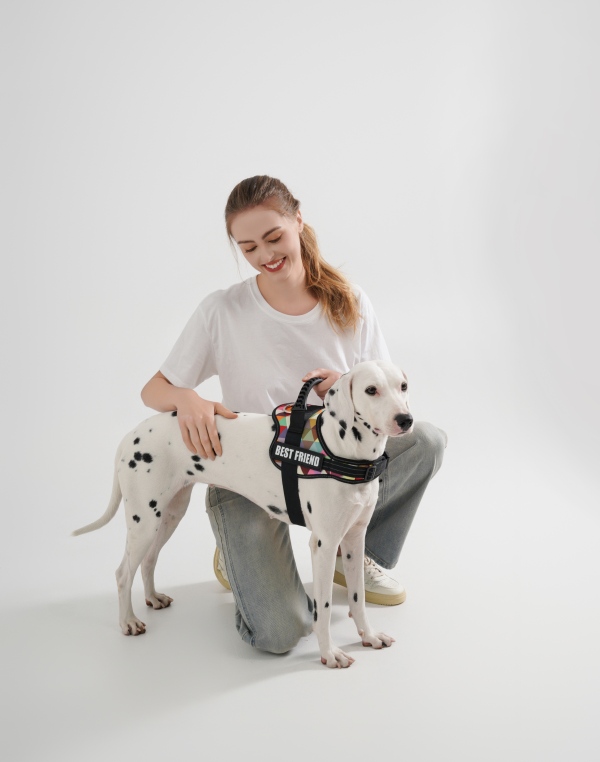
2. Compare the Materials: Feel, Comfort & Durability
The material determines hand-feel, durability, and comfort for both you and your pet.
Nylon:
● High strength, great toughness, chew- and abrasion-resistant
● Hand-feel varies depending on weaving density
● A versatile, all-purpose choice for most dogs
Polyester:
● Lighter and softer
● Excellent UV resistance and colorfastness
● Ideal for colorful, patterned designs
PVC / Biothane-Style Webbing:
● Waterproof, odor-resistant, quick-drying
● Non-slip even when wet
● Perfect for rainy days, beach trips, or outdoor adventures
Genuine Leather:
● Premium feel and elegant appearance
● Softens over time and molds to your pet
● Best for owners who prefer a refined, classic look
Each material offers a different tactile experience—from silky and flexible to sturdy and thick—so choose one that feels good in your hand and comfortable on your pet.
3. Collar or Harness: Which Is Better?
Choose a collar if:
● Your dog walks calmly and doesn’t pull
● You need something lightweight for all-day wear
● You want a simple way to attach ID tags
Choose a harness if:
● Your pet pulls or gets excited outdoors
● You want to reduce neck pressure
● You prefer better handling and control
General rule:
A harness is safer for puppies, pullers, and active dogs.
4. Fit Is the Most Important Factor
No matter the style or material, proper fit is essential.
● Should not be too tight—leave two fingers of space
● Should not be too loose—prevent slipping or escaping
● Harnesses need multiple adjustment points for a snug, even fit
A correct fit helps avoid rubbing, choking, or discomfort.
5. Match the Gear to Your Everyday Lifestyle
Different activities call for different gear types:
● City walks: soft collars or lightweight harnesses
● Outdoor adventures: durable no-pull harnesses + strong leashes
● Rain or beach days: PVC / Biothane waterproof gear
● Training sessions: adjustable harnesses with control points
Choosing based on the scenario ensures safety and convenience.
6. Focus on Craftsmanship & Construction Quality
Quality matters just as much as material.
Check for:
● Reinforced stitching
● Strong, corrosion-resistant hardware
● Secure connection points
● Webbing that feels soft and non-abrasive
With 25 years of webbing manufacturing experience, we know how weaving density, thread quality, and construction precision affect comfort and durability. Our webbing supplies countless global pet-product manufacturers and is trusted worldwide.
7. Prioritize Your Pet’s Comfort Above All
The best collar or harness is the one your pet willingly accepts.
● No rubbing
● No tight spots
● Breathable and comfortable for long wear
Paying attention to your pet’s reaction is the best way to confirm your choice.
Conclusion
Choosing the right collar or harness is a balance of comfort, safety, materials, and lifestyle. When you understand your pet’s needs and compare the differences between styles and materials, you’ll always make a confident and informed choice.
www.dogfavors.com
Dog Favors