Selecting the right transparent LED display is no longer a simple matter of picking a screen size. Buyers now have to weigh transparency, weight, installation flexibility, pixel pitch, and long-term reliability all at once. This guide breaks down the factors that matter most when evaluating a transparent LED display, drawing on the technical standards and product architecture developed by Shenzhen Showho under its Whaley-LED brand.
Why Transparency and Weight Come First
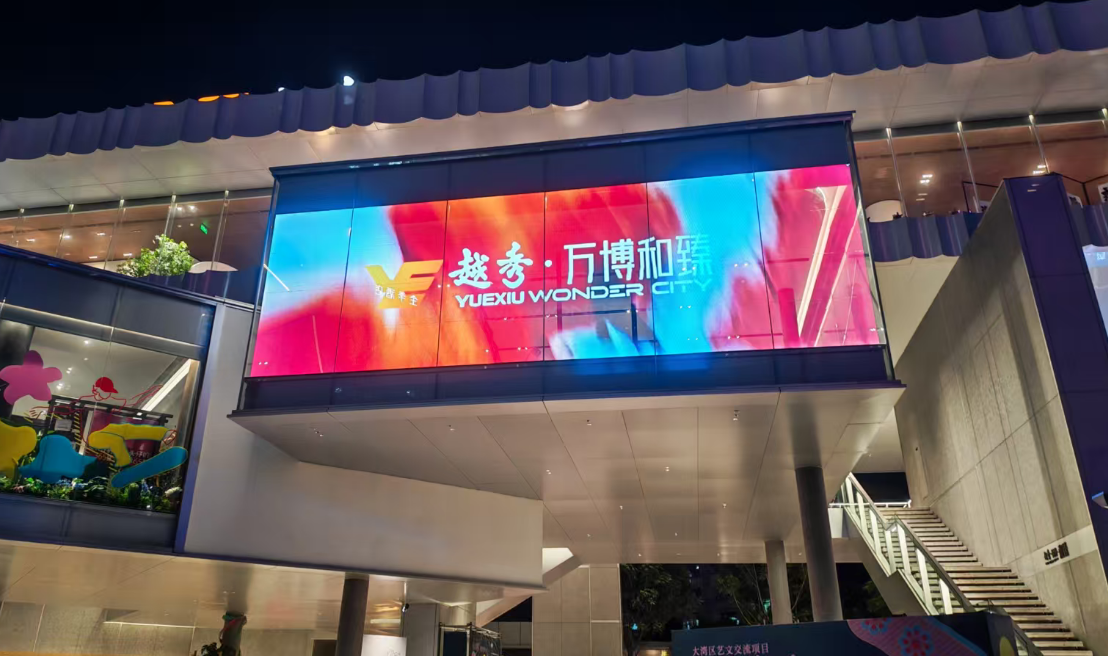
Conventional LED displays are often heavy, thick, and block light, which makes them a poor fit for glass surfaces and creative installation scenarios that require a display to stay transparent, light, and adaptable to curves. This is the core pain point that any buyer evaluating a transparent display must address first: can the screen preserve daylight and views while still delivering media content on glass curtain walls, shop windows, exhibition spaces, and other creative or engineering installations.
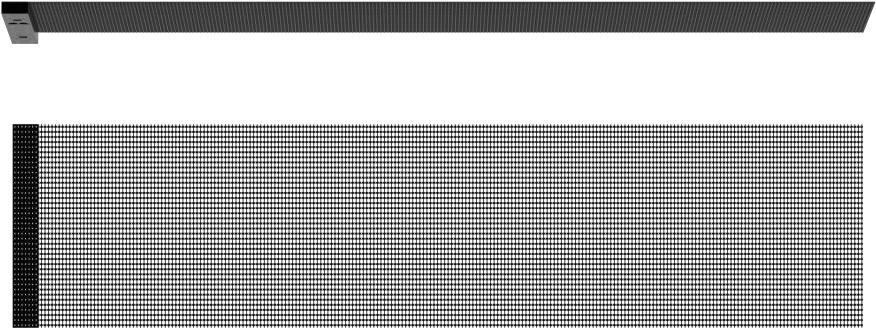
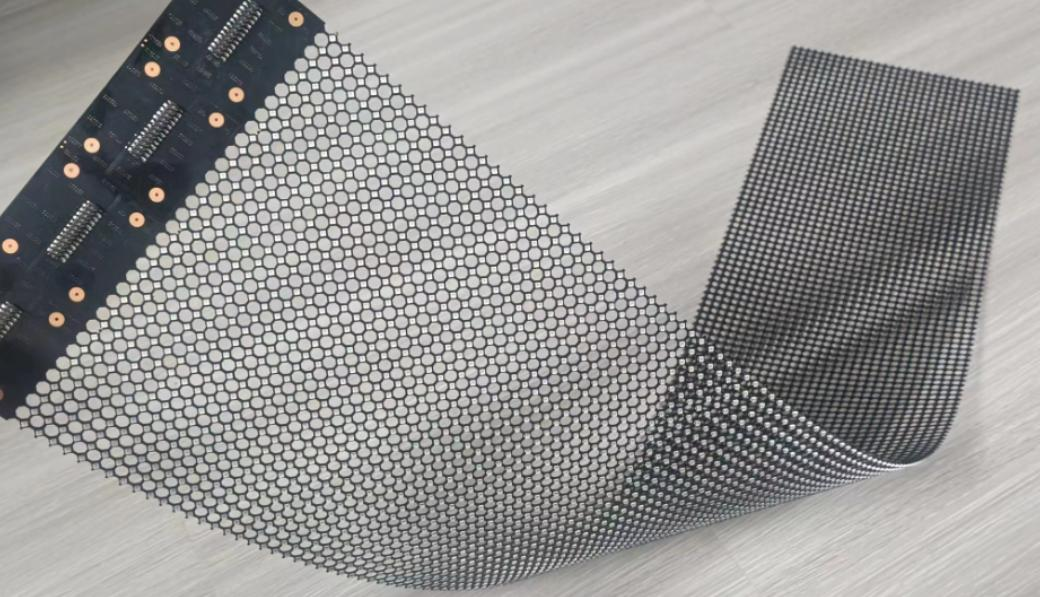
Shenzhen Showho addresses this through a film-type transparent LED display design. Across its holographic film screen series, screen thickness stays below 2 mm and screen weight stays under 3 kg per square meter, which removes most of the structural load concerns that come with traditional display panels. Sensory permeability across the entire series is over 80%, and depending on the specific model, visual permeability ranges from more than 70% up to more than 99%. This range matters because different pixel pitches carry different permeability levels, so the selection process should always start by matching the required transparency level to the specific model rather than assuming all transparent displays perform the same way.
Matching Pixel Pitch to Viewing Distance
Pixel pitch is one of the most important technical decisions in choosing a transparent LED display, because it directly determines viewing distance, pixel density, and visual permeability. The Whaley-LED holographic film screen lineup spans pixel pitch options from 2.5 mm to 50 mm, each tuned for a different viewing environment.
At the fine end, the PH2.5 model offers a 2.5 mm x 2.5 mm pixel pitch with a pixel density of 160,000 dots per square meter and a viewing distance from 3 m to 150 m, making it suitable for closer viewing scenarios such as shop windows. At the other end, the PH50 model has a 50 mm x 50 mm pixel pitch, a pixel density of 400 dots per square meter, and a viewing distance from 50 m to 350 m, with visual permeability exceeding 99%, which suits large-format installations viewed from far away. Models in between, such as PH3.91, PH5, PH6.25, PH7.8, PH10.416, PH12.5, PH16, PH20, PH30, and PH40, fill the range for mid-distance commercial and architectural applications. Buyers should select pixel pitch based on the typical viewing distance of the installation site and the desired balance between image density and transparency.
Checking Brightness, Refresh, and Durability Specifications
Beyond pixel pitch, a thorough evaluation should cover brightness, refresh rate, color performance, and reliability metrics. Across the Whaley-LED series, brightness ranges from 800 cd/m² to 5000 cd/m² depending on the model, with automatic and manual adjustment available based on ambient brightness. Refresh rate stays above 3840 Hz and frame change rate stays above 60 Hz, which supports smooth playback. Gray level is at least 16 bit, enabling true color management and a 3D visual effect when content is displayed, while daylight remains unaffected when the screen is powered off.
On durability, buyers should confirm the IP rating, which is better than IP45 across the line, as well as average lifespan of more than 100,000 operating hours and MTBF of more than 10,000 hours. Dead pixel rate is kept below 1 in 10,000 with discrete distribution, and attenuation rate stays below 0.05% within two years. These figures give a concrete basis for comparing reliability claims rather than relying on general marketing language.
Installation Flexibility and Structural Compatibility
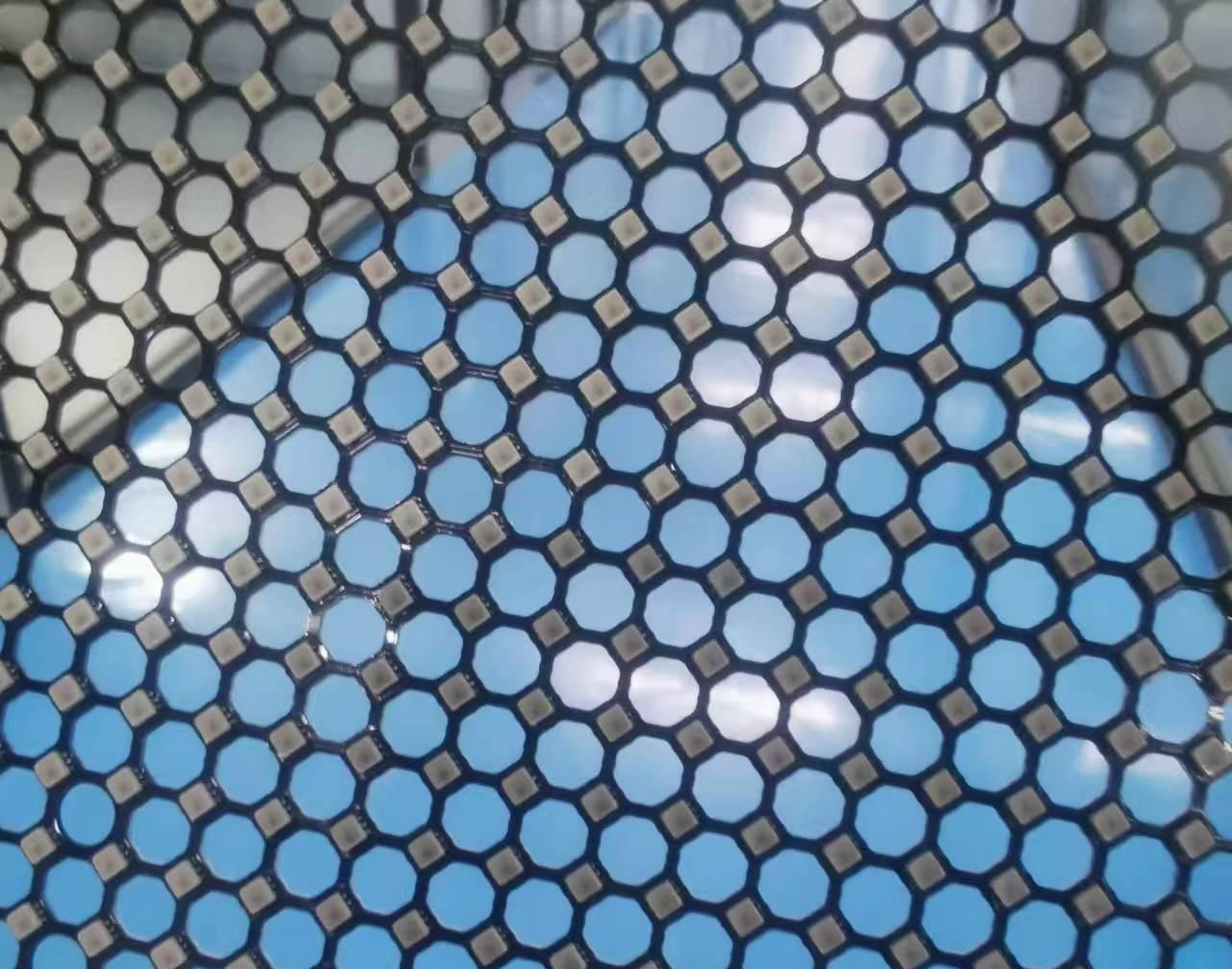
A transparent LED display is frequently installed in unconventional spaces, so installation flexibility should be a decision factor, not an afterthought. Whaley-LED's holographic film screens use a frameless design with a PCB board built on hollow mesh circuits, allowing the screen to be bent, cut, affixed directly to glass, hung, or fixed. Curved installation is supported with a radius greater than 600 mm, covering corner screens, cylindrical surfaces, and S-shaped inner and outer arcs. One-side length is not limited, and splice height guidance ranges up to 8 m in some descriptions, with a later note indicating up to 4 m without a power supply in the middle. Buyers planning complex architectural shapes should confirm these installation parameters against the specific site requirements before finalizing a model.
Control System Compatibility
Because transparent displays are often integrated into larger venue or building systems, control system compatibility is another practical checkpoint. The Whaley-LED line supports Colorlight and NovaStar control systems, with both synchronous and asynchronous control modes available, which helps buyers integrate the display into existing media control infrastructure without unnecessary rework.
Why Proprietary Technology Matters
Underlying all of these specifications is the depth of in-house engineering behind the product. Shenzhen Showho manages its own technology chain from IC bare chip architecture and functional design, through LED bracket, LED packaging, and electronic circuit design, and holds dozens of invention and utility model patents related to film screens. This self-managed chain, combined with in-house production, supports rapid response to custom requirements and underpins the company's OEM and ODM services for commercial display and engineering projects, including the overseas business expansion launched under the Whaley-LED brand in 2025.
Matching the Display to the Application
Finally, the right transparent LED display should be matched to its intended setting. Whaley-LED's holographic screens, including the standard screen, the advertising machine series, and the double-sided display series, are suited for commercial display windows, commercial curtain walls, exhibition halls, creative displays, entertainment and cultural tourism venues, automobile 4S stores, airport concourses, building curtain walls, and commercial centers. The double-sided series, with independent content on each side, is particularly useful where two different messages need to run simultaneously, such as a dynamic product promotion on one face and brand storytelling on the other.
Choosing a transparent LED display ultimately comes down to aligning transparency level, pixel pitch, durability metrics, installation method, and control compatibility with the physical and operational demands of the site. Shenzhen Showho's Whaley-LED product family provides documented specifications across each of these dimensions, giving buyers a clear technical basis for comparison rather than relying on general claims alone.
http://www.whaleydisplay.com/
Shenzhen Showho (Whaley-LED)